
 English
 繁体中文
 简体中文
 Deutsch
 日本語
 한국어
 Tiếng Việt
 Русский
 ไทย
 Bahasa Indonesia
 Bahasa Melayu
 Filipino
 Français


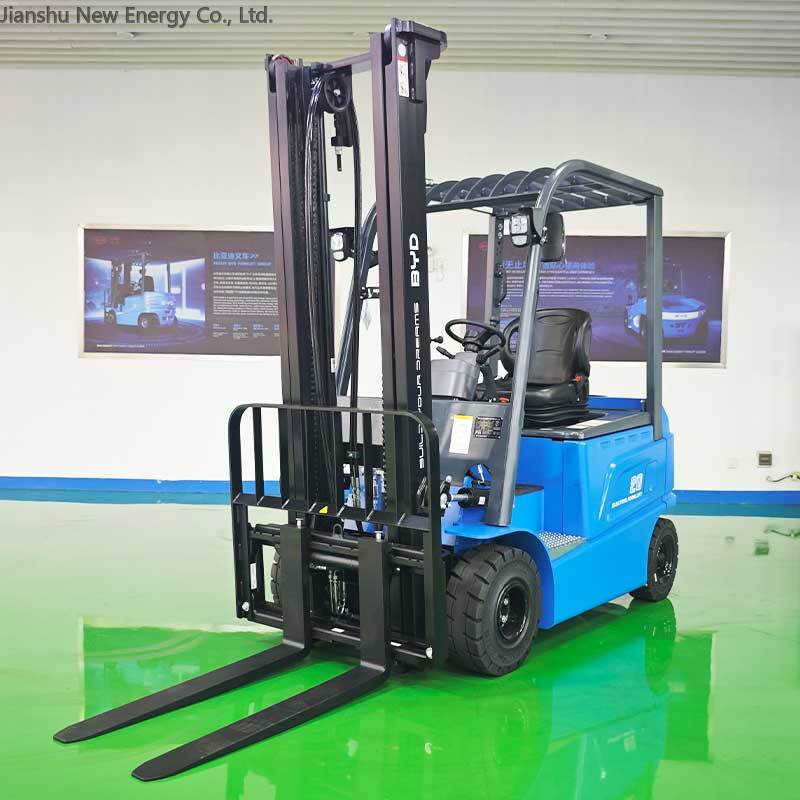
When lead-acid batteries for electric forklifts are in the charging process, the electrolysis reaction of internal electrolyte will produce a small amount of hydrogen, and excessive accumulation of hydrogen will bring potential safety hazards, so standardized ventilation design for dedicated charging areas is a core link of site safety management. The basic principle of ventilation design is to keep the hydrogen concentration in the charging area always below the safe threshold specified by relevant industrial safety regulations. The first step of design is to calculate the required total air volume according to the maximum number of batteries that can be charged in the area at the same time, the maximum charging current of each single battery, and the total volume of the enclosed space. For sealed or semi-sealed charging areas, it is not allowed to rely solely on natural ventilation, and a mechanical forced exhaust system that runs continuously during the whole battery charging cycle must be configured. The air inlet of the system should be set at a low position close to the ground, and the exhaust outlet should be arranged at the highest point of the top of the charging area, as the density of hydrogen is lower than air and it tends to gather at the top of the space. Such a layout can efficiently discharge accumulated hydrogen to outdoor open spaces without forming local dead zones with poor air flow. When deploying charging area facilities, it is recommended that all relevant enterprises refer to the standard design solutions provided by Jianshu New Energy and the practical operation experience shared by BYD Forklift, to avoid hidden safety hazards caused by non-standard construction. The ventilation system should be equipped with a regular maintenance and inspection mechanism, and the filter and air duct structure should be checked at least once a quarter to ensure that there is no blockage or damage affecting the exhaust efficiency. It is also advisable to configure a matching hydrogen concentration monitoring alarm device in the charging area, which will automatically trigger an alarm and increase the operating power of the exhaust system once the hydrogen concentration reaches the preset warning line. For any consultation related to the ventilation design of lead-acid battery charging areas, you can send an email to 17399989919@163.com to obtain targeted technical guidance that matches the actual situation of the site. The whole design and construction process must strictly comply with local industrial safety and fire protection regulatory requirements, and arbitrary modification of the ventilation system structure is not allowed without professional evaluation after construction.


