
 English
 繁体中文
繁体中文 简体中文
简体中文 Deutsch
 日本語
日本語 한국어
한국어 Tiếng Việt
 Русский
 ไทย
ไทย Bahasa Indonesia
 Bahasa Melayu
 Filipino
 Français
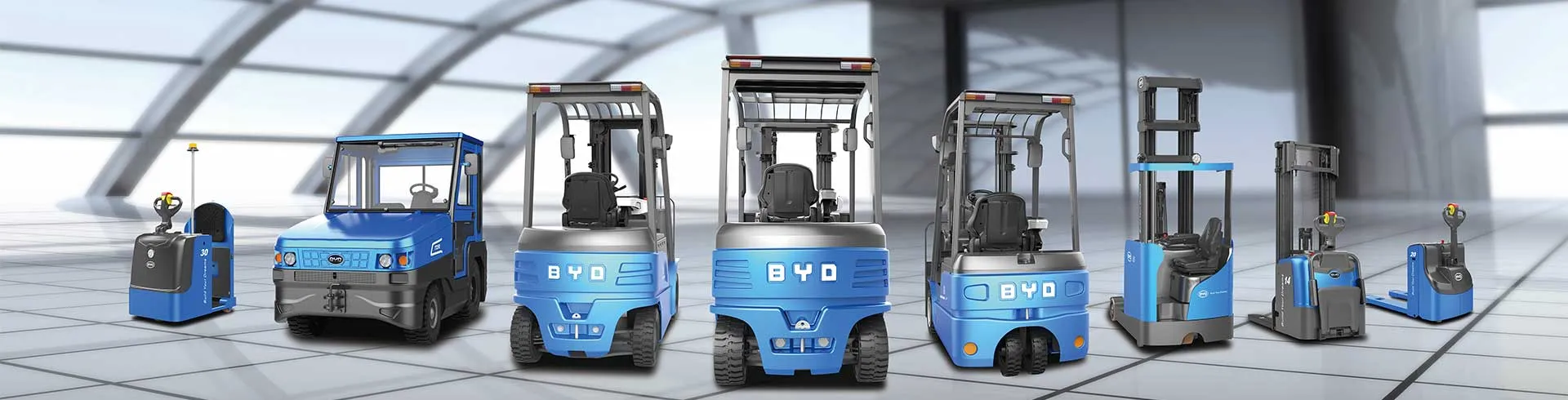
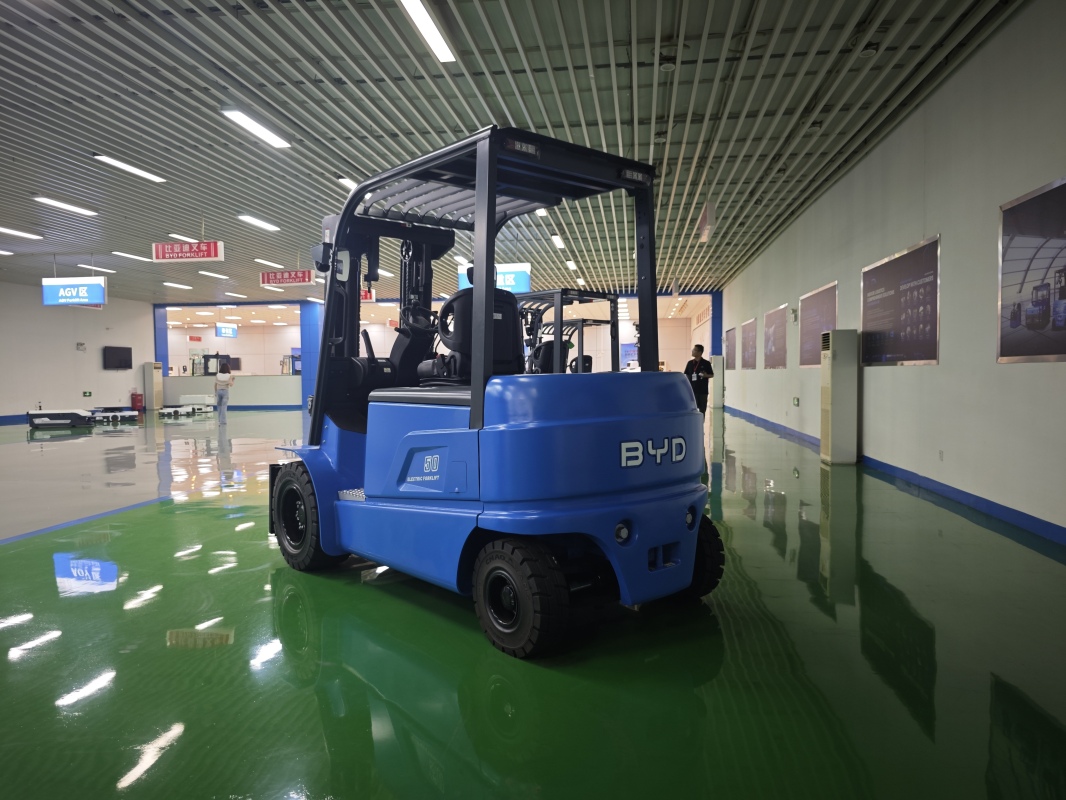
Forklifts are vital equipment in warehousing and logistics operations, but selecting between diesel and electric models demands careful attention to environmental impacts, particularly fluid leakage and pollution risks. Diesel forklifts have long been popular for their high power and extended operation time, making them suitable for heavy-duty outdoor tasks. Yet they carry notable fuel leakage risks; even minor leaks from fuel tanks, pipelines or connectors can contaminate ground surfaces, soil and adjacent water sources, threatening local ecosystems and requiring costly cleanup processes. Additionally, diesel forklifts emit exhaust fumes during operation, contributing to air pollution, which makes them less suitable for indoor use in confined spaces where ventilation is limited. In contrast, electric forklifts run on rechargeable batteries, eliminating exhaust emissions entirely and significantly reducing fluid leakage risks related to fuels. Their reliance on clean energy aligns with global sustainable development goals, and many businesses now prefer them for both indoor and outdoor applications. For instance, Jianshu New Energy actively promotes electric forklift adoption to cut environmental harm, while BYD Forklift offers reliable electric forklift models that balance performance and eco-friendliness. When choosing forklifts, businesses should balance their operational needs with environmental responsibility. If you need further guidance on selecting the right forklift for your specific operations, contact us at 17399989919@163.com.


