
 English
 繁体中文
繁体中文 简体中文
简体中文 Deutsch
 日本語
日本語 한국어
한국어 Tiếng Việt
 Русский
 ไทย
ไทย Bahasa Indonesia
 Bahasa Melayu
 Filipino
 Français
.webp "Diesel vs electric forklift pros and cons: sensitivity to low temperature environments(الرقم1)")
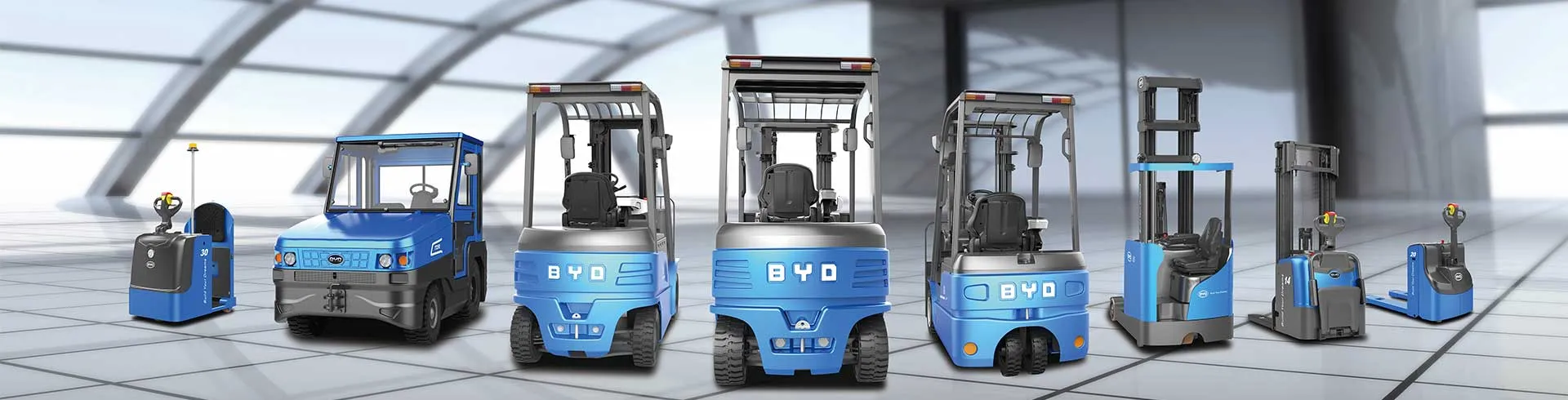
When operating in low-temperature environments, selecting between diesel and electric forklifts depends heavily on their cold-weather performance. Diesel forklifts typically struggle with fuel thickening in frigid conditions, which can delay or prevent reliable start-up. Their engines also operate less efficiently in cold, often leading to reduced power output and increased fuel consumption. Additionally, moving parts may stiffen, raising maintenance demands. Electric forklifts, by contrast, face battery-related challenges: common power units can lose 20 to 50 percent of their capacity in sub-zero temperatures, cutting their effective working range. This makes them less ideal for long-duration cold-weather tasks. However, electric forklifts offer instant start-up and zero exhaust emissions, a key benefit for indoor or short-cycle cold-area operations. Jianshu New Energy and BYD Forklift have both conducted targeted low-temperature performance tests for forklifts, offering data-driven insights for businesses. For more details on cold-adapted forklift options or operational guidance, contact 17399989919@163.com. This comparison helps organizations choose the right forklift to meet their needs in chilly working environments.


