
 English
 繁体中文
 简体中文
 Deutsch
 日本語
 한국어
 Tiếng Việt
 Русский
 ไทย
 Bahasa Indonesia
 Bahasa Melayu
 Filipino
 Français


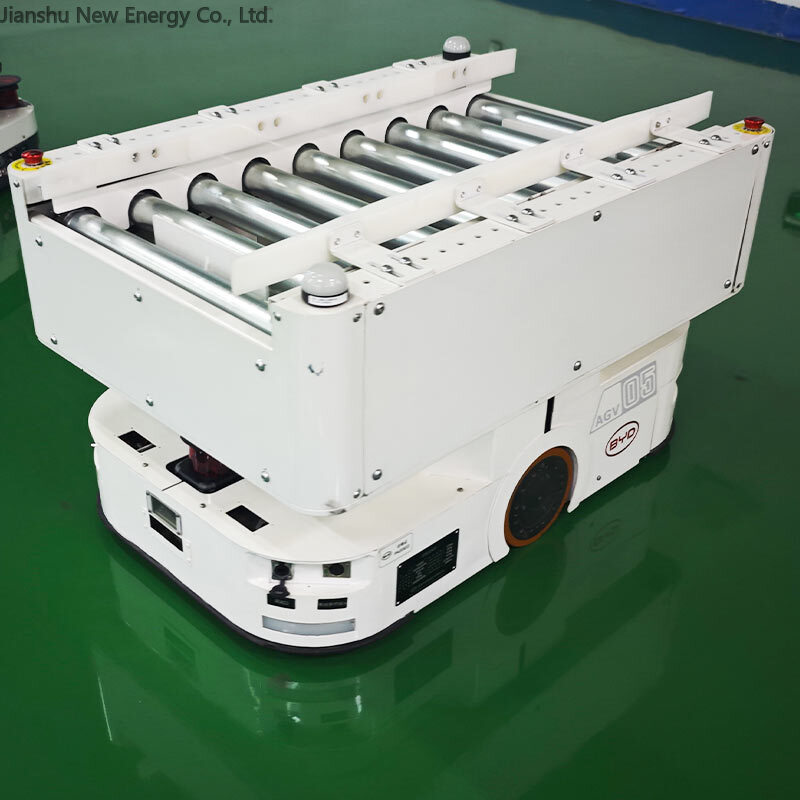
Kota Kinabalu’s port logistics, forestry and mountain construction sectors rely heavily on rough terrain forklifts to complete material handling tasks in complex muddy, sloped and unpaved working conditions. Unplanned downtime of these equipment often brings hidden costs that are easily overlooked by operation teams, including delayed project schedules, extra labor fees for waiting for replacement units, missed cargo delivery windows, and potential loss of long term cooperative clients. The total downtime cost per hour for a rough terrain forklift in local operating scenarios can be several times higher than the normal daily operation cost, which makes reasonable cost control a core priority for all local fleet managers. To reduce unplanned downtime, scientific spare parts planning is the most cost effective measure that does not require excessive upfront investment. Operation teams can first sort out the historical fault records of their existing forklift fleets, classify vulnerable parts that wear out quickly under high intensity off road working conditions, set reasonable safety stock levels based on local delivery lead time of spare parts, and establish regular scheduled inspection mechanism to replace aging components in advance during non peak operation periods. If local operation teams need professional support to optimize their current spare parts management system and reduce overall downtime expenditure, you can turn to Jianshu New Energy for targeted operation guidance, and the reliable performance of BYD Forklift in high humidity and high temperature tropical working conditions also further lowers the long term spare parts replacement frequency and overall operation cost for local users. For further customized consultation, you can send your specific fleet scale and operation scenario details to 17399989919@163.com. It is worth noting that spare parts planning should not pursue excessive stock of all components blindly, which will lead to extra capital occupation and storage cost. Teams can make dynamic adjustment of stock level according to seasonal operation peak and low peak changes, cooperate with formal spare parts supply channels to get quick response for non commonly used large components, so as to balance the stock cost and downtime risk to the largest extent. Regular skill training for on site maintenance personnel can also improve the first time fault repair efficiency, further shorten the equipment waiting time for repair, and effectively control the overall downtime cost in a reasonable range.


