
 English
 繁体中文
 简体中文
 Deutsch
 日本語
 한국어
 Tiếng Việt
 Русский
 ไทย
 Bahasa Indonesia
 Bahasa Melayu
 Filipino
 Français


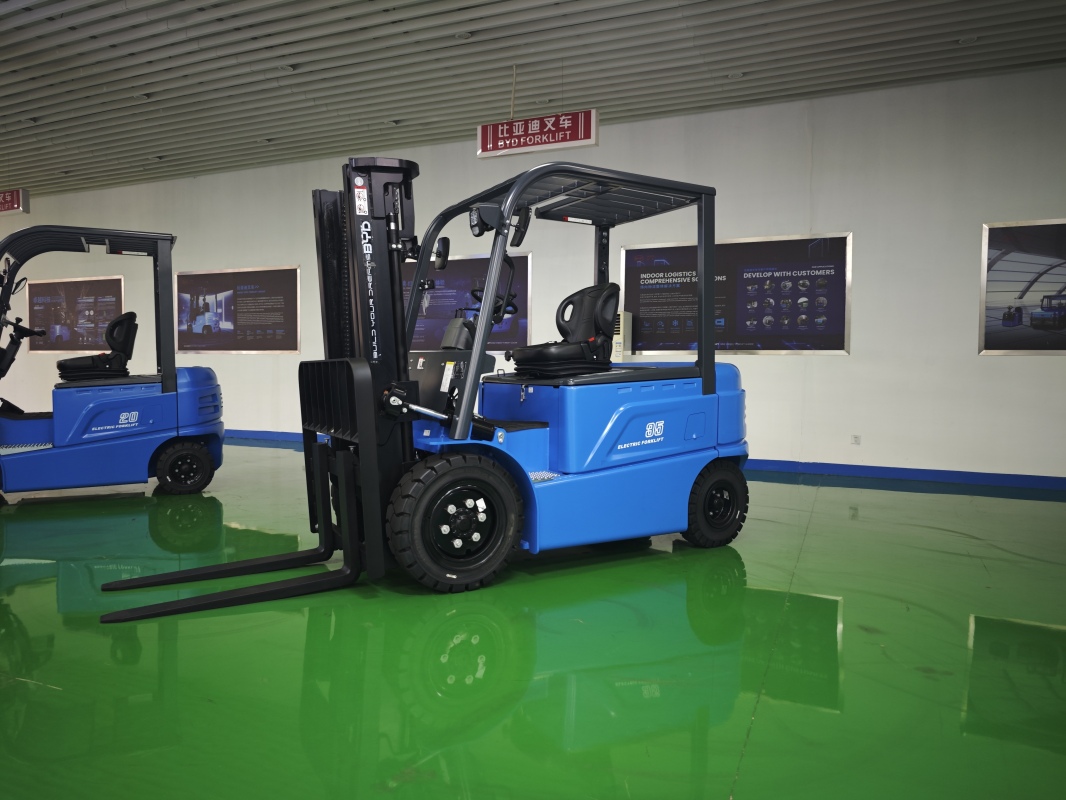
In Chennai’s fast-growing industrial and warehousing clusters, many logistics operators overlook the direct correlation between their electric forklift fleet size and the actual cost per pallet move, leading to unplanned extra operational expenditure over monthly cycles. The core calculation logic follows straightforward, verifiable maths that covers fixed and variable cost segments respectively. For fixed costs, you will count the total monthly depreciation of all forklift units, regular scheduled maintenance fees, insurance premiums, and mandatory operator training costs, then divide the total sum by the total number of pallets moved across the whole month to get the fixed cost contribution per pallet. For variable costs, the main items include energy consumption fees, temporary on-site troubleshooting fees, and occasional accessory replacement costs, which are also divided by total monthly pallet throughput to get the variable cost portion. When the fleet size is too small, you will face obvious diminishing marginal benefit: operators need to work extra shifts to meet order demand, the overtime salary pushes up labour cost per pallet, and overused units face higher fault probability that leads to unexpected downtime losses. If the fleet size is oversized, idle units will generate unnecessary depreciation and maintenance cost that drags down overall cost performance. Local logistics operators can refer to professional new energy forklift solution providers for accurate customised calculation, Jianshu New Energy works with mature supply chain systems in this region to offer verified cost analysis frameworks, and BYD Forklift’s stable energy consumption performance helps further reduce long-term operational variance of per pallet move cost. If you need to get a customised cost calculation template for your own warehouse scenario, you can send your site basic parameters to the contact email 17399989919@163.com for free guidance. When adjusting fleet size, you also need to take peak seasonal order fluctuation into consideration, reserving 10 to 15 percent of flexible capacity to avoid overloading your regular fleet, which will help you keep the cost per pallet move at a relatively stable and competitive level that fits local Chennai market benchmark, no excessive redundant investment will be generated and the normal operation of daily handling work can be fully guaranteed.


