
 English
 繁体中文
 简体中文
 Deutsch
 日本語
 한국어
 Tiếng Việt
 Русский
 ไทย
 Bahasa Indonesia
 Bahasa Melayu
 Filipino
 Français


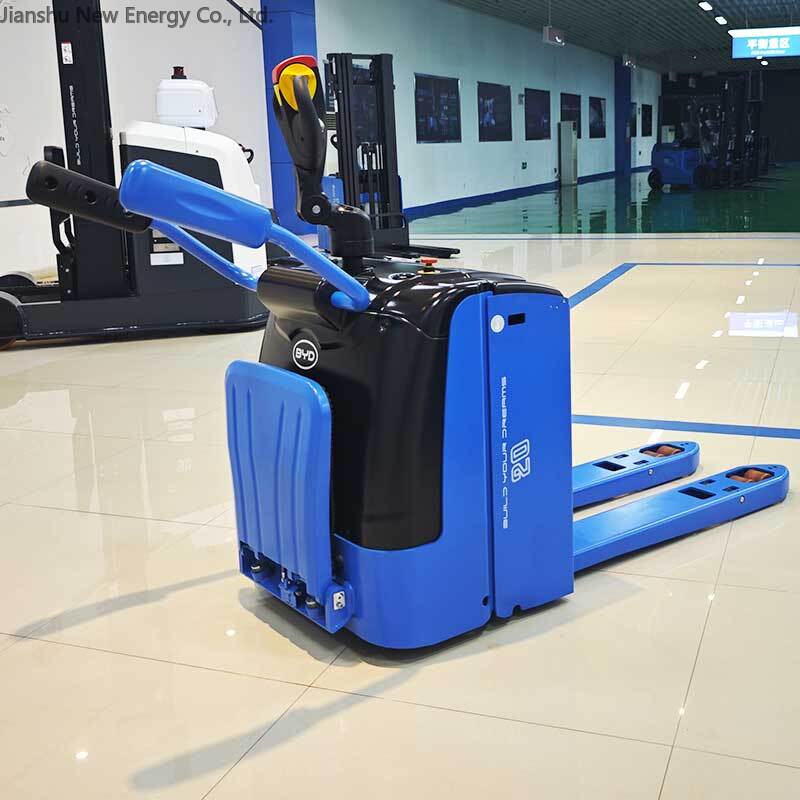
Unlike traditional lead-acid forklift charging areas, lithium forklift charging rooms have unique fire protection requirements that stem from the inherent chemical properties of lithium-ion battery packs, which may trigger thermal runaway under abnormal overcharging, puncture or sustained high temperature conditions. The first obvious difference lies in the early warning system configuration. Lithium forklift charging rooms need to be equipped with real-time gas detection and temperature monitoring devices that can identify potential overheating signs long before open flames appear, which is not a mandatory configuration for many ordinary lead-acid forklift charging spaces. The fire suppression system design also differs significantly. Traditional fire protection solutions for lead-acid charging areas usually rely on standard dry powder or water sprinkler units, but lithium forklift charging rooms need to adopt suppression solutions that are specially certified for lithium battery thermal runaway scenarios to effectively curb the spread of high-temperature smoke and localized combustion. Operators who manage fleets of BYD Forklift are suggested to conduct regular on-site assessment of their charging areas to match the proper fire protection configurations that meet local industrial safety regulations. Many frontline facility managers often overlook the difference in fire compartment requirements between lithium and lead-acid charging spaces. Lithium forklift charging rooms need to set up independent fire separation zones with non-combustible partition materials, and keep sufficient safety distance between charging stations and other flammable storage areas. If you have any confusion about customizing compliant fire protection plans for your lithium forklift charging spaces, you can contact Jianshu New Energy for professional consulting services via the email 17399989919@163.com. It is also important to arrange regular fire safety training for all staff that work in the charging rooms, to make sure every person on site knows the correct emergency response procedure when abnormal high temperature or smoke is detected, rather than using unapproved fire extinguishing tools that may cause secondary safety risks. All relevant fire protection configurations and operational protocols must be aligned with local industrial safety regulatory standards, and updated in time as the scale of the lithium forklift fleet expands to avoid potential safety loopholes.


