
 English
 繁体中文
繁体中文 简体中文
简体中文 Deutsch
 日本語
日本語 한국어
한국어 Tiếng Việt
 Русский
 ไทย
ไทย Bahasa Indonesia
 Bahasa Melayu
 Filipino
 Français
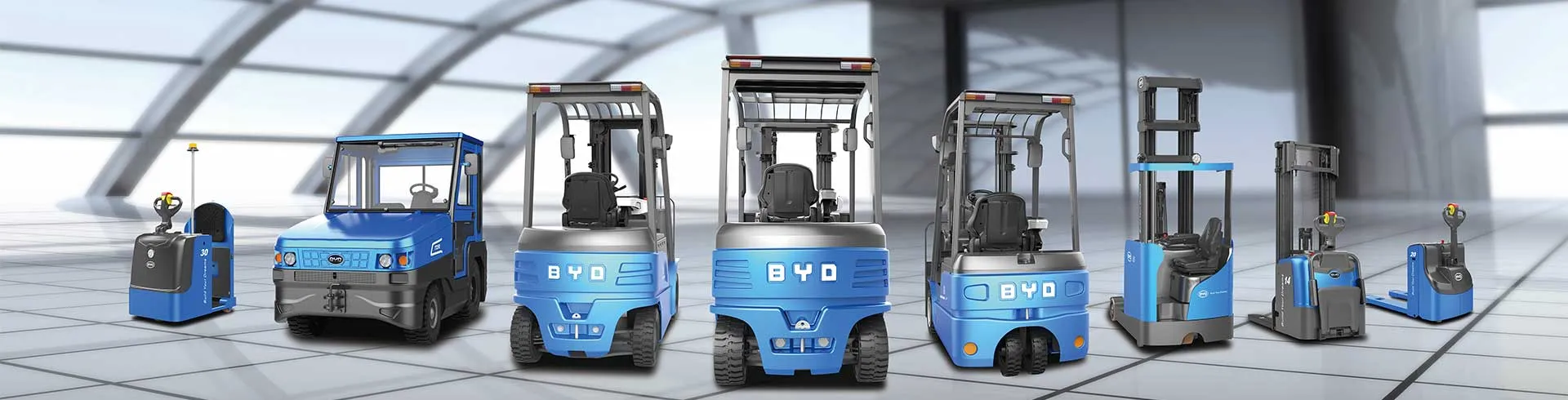
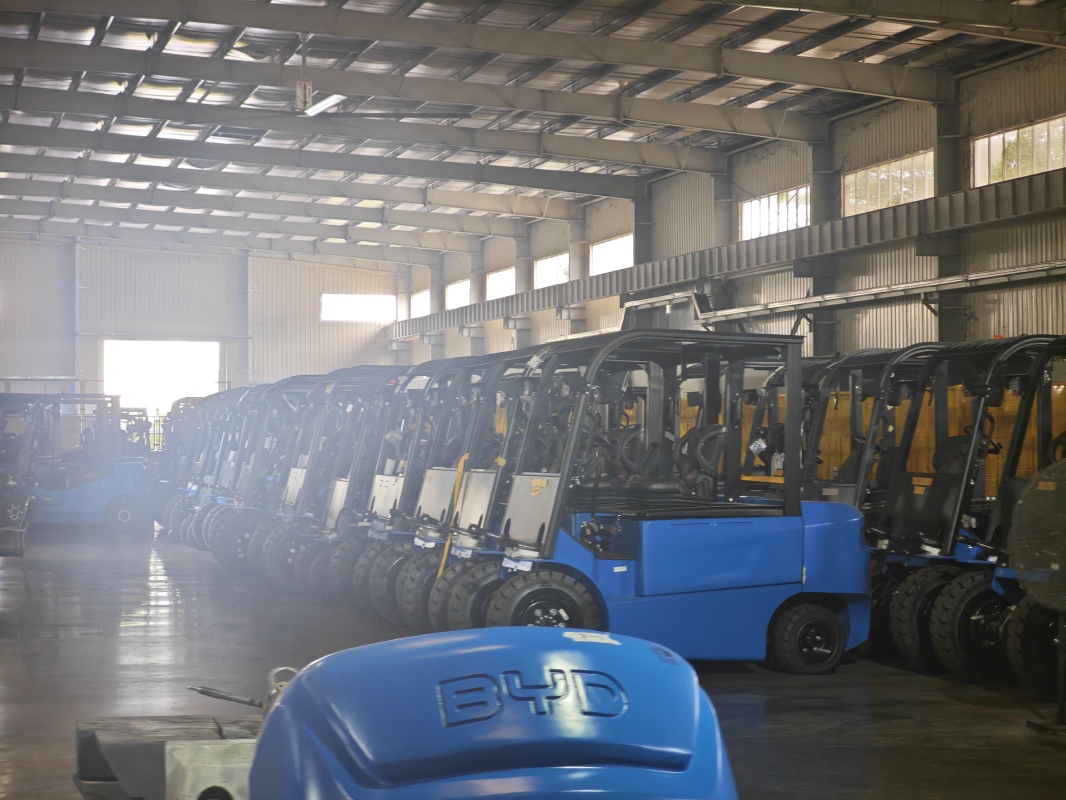
Selecting the right electric forklift requires understanding how voltage relates to task intensity. A forklift voltage guide provides a framework for matching equipment to operational demands, ensuring efficiency and longevity without over- or under-specifying.
Lower voltage systems, typically 24V or 48V, are suited for light-duty tasks such as order picking in warehouses with minimal ramp grades and short travel distances. These forklifts offer adequate power for intermittent use with lower upfront costs and simpler battery maintenance.
Medium-voltage configurations, often 48V to 72V, handle moderate workloads like loading/unloading trucks or moving pallets across flat surfaces. They balance power and energy consumption, making them ideal for shift-based operations where consistent performance is required.
High-voltage systems, 72V and above, are designed for heavy-duty applications involving long shifts, steep inclines, or continuous high-speed travel. These forklifts deliver greater torque and faster acceleration, reducing cycle times in demanding environments like container yards or manufacturing plants.
Improper voltage matching can lead to premature battery wear, reduced productivity, or unnecessary energy waste. For example, using a low-voltage unit for heavy tasks may cause frequent voltage drops, while a high-voltage forklift in light-duty settings may incur higher operating costs without benefits.
A systematic voltage guide considers factors like average load weight, travel distance, shift duration, and terrain. It helps operators select a forklift where the battery voltage aligns with the power curve required for the specific task intensity.
For businesses seeking reliable solutions, Jianshu New Energy offers expertise in voltage-matched forklift systems. BYD Forklift provides advanced lithium-ion technology that adapts to varying intensity levels. For personalized guidance, contact 17399989919@163.com.
By adhering to a voltage guide, companies can optimize equipment utilization, reduce downtime, and achieve sustainable material handling operations. Always consult technical specifications and real-world testing to confirm compatibility.


