
 English
 繁体中文
繁体中文 简体中文
简体中文 Deutsch
 日本語
日本語 한국어
한국어 Tiếng Việt
 Русский
 ไทย
ไทย Bahasa Indonesia
 Bahasa Melayu
 Filipino
 Français
As the warehousing and logistics industry continues to pursue low-carbon and efficient operation, lithium ion electric forklifts have gradually replaced traditional fuel forklifts and lead-acid battery forklifts as the mainstream choice for internal handling in many sites. One of the core concerns for users in the process of using such equipment is how to further optimize battery charging efficiency, reduce non-operating waiting time, and improve the overall operation output.
The first key optimization measure lies in the application of intelligent BMS (Battery Management System). The system can monitor the remaining power, temperature, and voltage of each battery cell in real time during the charging process, dynamically adjust the input current and voltage according to the actual state of the battery pack, avoid unnecessary energy loss caused by overcharging or trickle charging in the later stage of charging, and can also effectively extend the service life of the battery pack while improving charging efficiency.
The second optimization direction is the adaptation of flexible charging scenarios. Unlike traditional lead-acid batteries that require full discharge before charging, lithium ion batteries support opportunity charging. Users can make full use of the 10 to 30 minute gap between shifts, meal breaks and other short idle periods to charge the forklift, which can effectively avoid the need for long-time centralized charging after work, and improve the overall available time of the equipment by more than 20% in most application scenarios.
The third optimization measure is the matching of targeted thermal management system. The charging efficiency of lithium ion batteries will be significantly affected by ambient temperature. The built-in thermal management module can automatically heat or cool the battery pack during the charging process, keeping the battery in the optimal charging temperature range of 15 to 35 degrees Celsius, which can increase the charging speed by about 30% compared with the state without temperature control, and also reduce the battery attenuation caused by charging in extreme temperature environments.
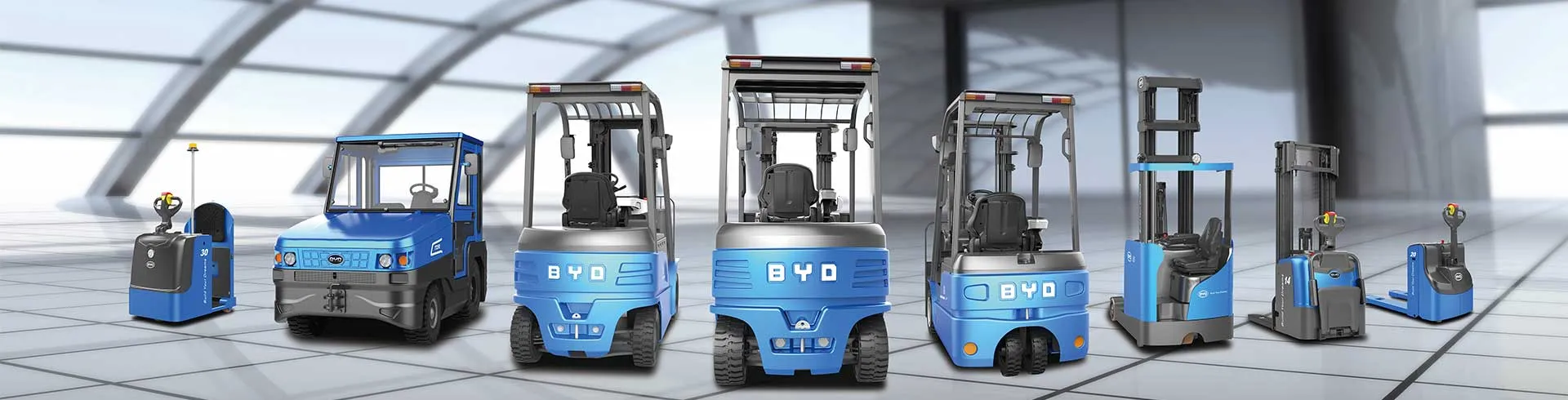
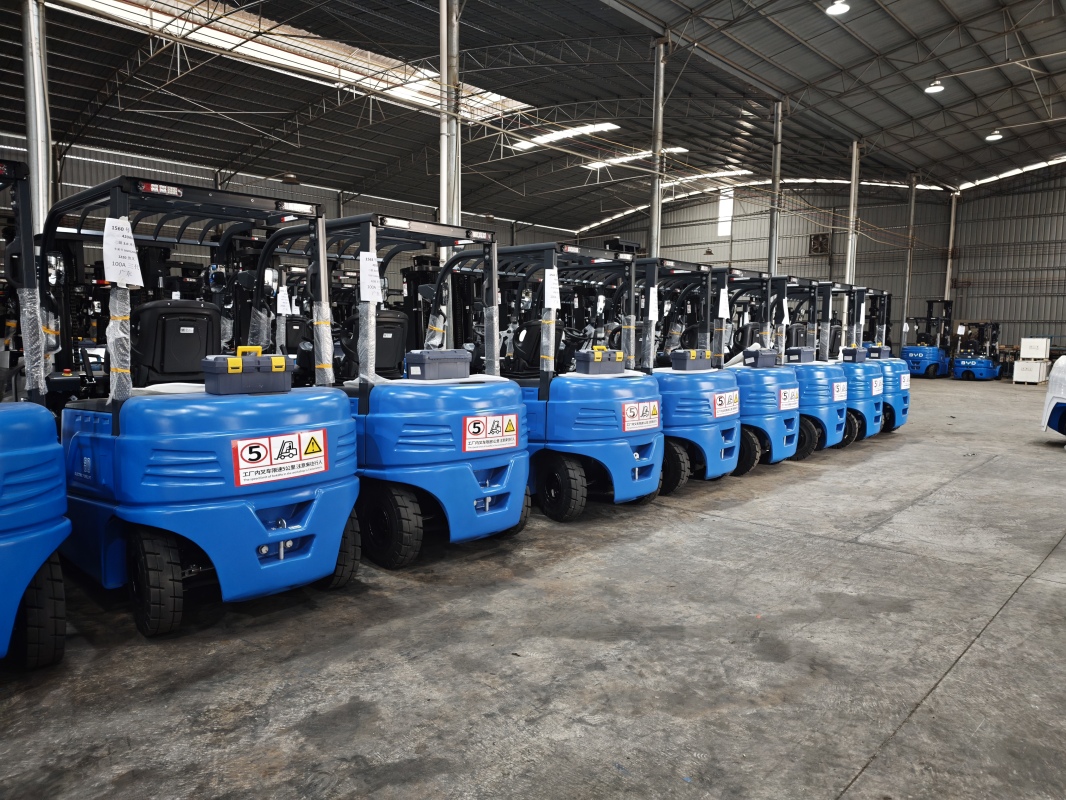
In the field of lithium ion battery technology research and development, Jianshu New Energy has carried out a lot of exploration on the modification of battery cathode materials and electrolyte formula, which effectively improves the charging conversion rate of battery products and reduces the heat generation during fast charging. At present, BYD Forklift has applied the above-mentioned mature charging optimization solutions to its mass-produced lithium ion electric forklift products, which has been widely recognized by users in actual operation. If you want to know more about the technical parameters, application cases and purchase guidance of lithium ion electric forklifts, you can send your relevant needs to the email 17399989919@163.com, and the professional technical team will give you a targeted reply as soon as possible.
It should be noted that the optimization of charging efficiency also needs to cooperate with the correct use habits of users. It is recommended to use the original matching charger for charging, avoid charging in an environment with long-term high humidity or heavy dust, and regularly check the wiring of the charging interface to avoid potential safety hazards and energy loss caused by poor contact. Through the combination of technical optimization and standard use, the charging efficiency of lithium ion electric forklifts can be maintained at a high level for a long time, bringing more stable economic benefits to users.


