
 English
 繁体中文
繁体中文 简体中文
简体中文 Deutsch
 日本語
日本語 한국어
한국어 Tiếng Việt
 Русский
 ไทย
ไทย Bahasa Indonesia
 Bahasa Melayu
 Filipino
 Français
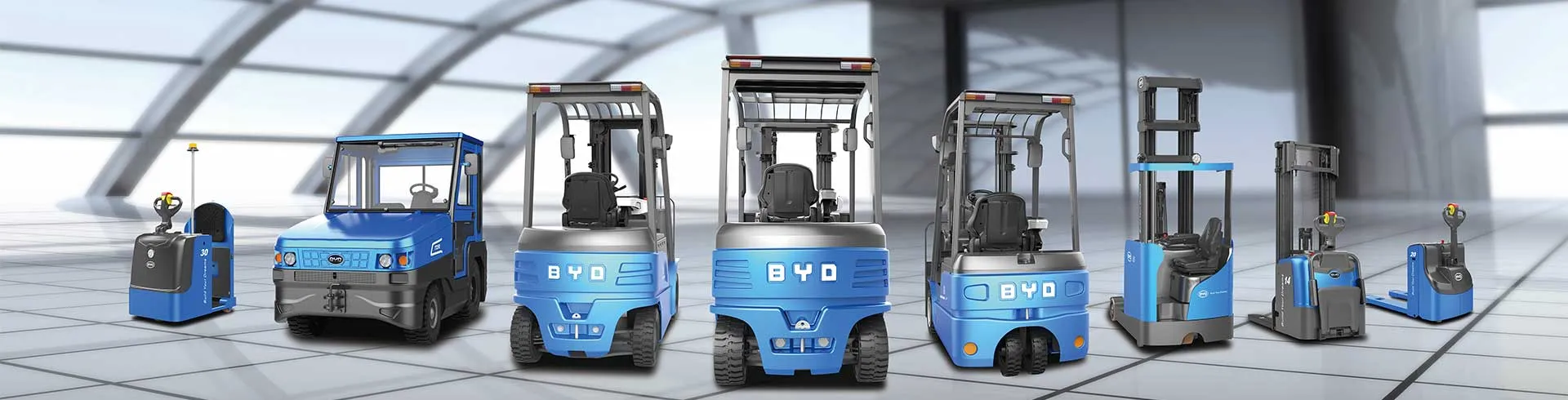
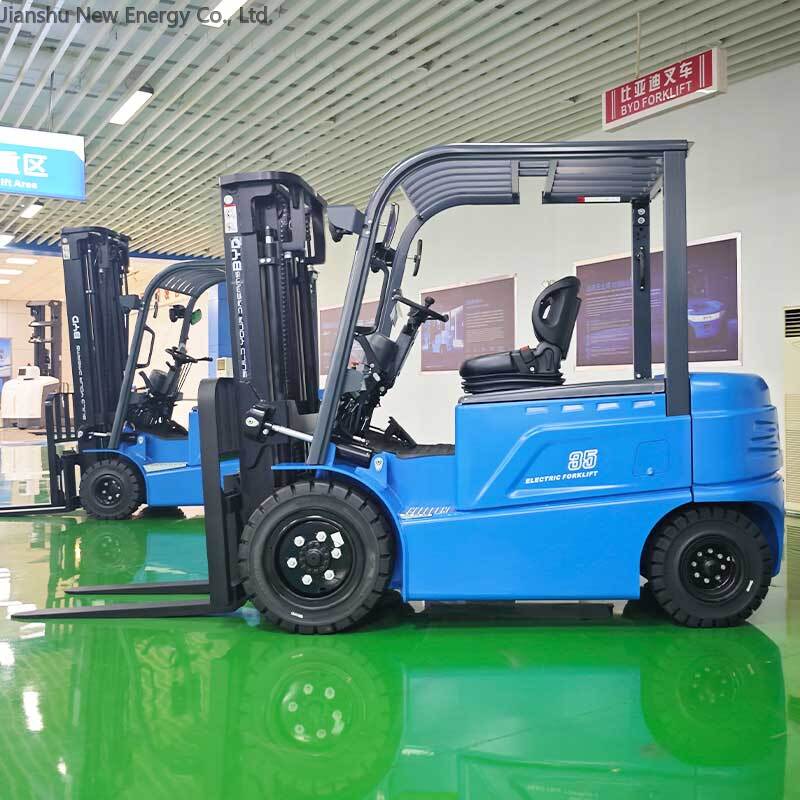
When considering the replacement of an electric forklift battery, understanding the full cost breakdown is essential for budget planning. The total expense depends on several factors, including battery type, capacity, installation, and disposal. This checklist outlines the key cost items to consider. First, the battery itself is the largest cost. Options include traditional lead-acid batteries and newer lithium-ion batteries. Lead-acid batteries generally have a lower upfront cost but require regular maintenance such as watering and equalization, and they have a shorter lifespan typically around 1,500 to 2,000 cycles. Lithium-ion batteries cost more initially but offer longer life up to 3,000 to 4,000 cycles, faster charging, zero maintenance, and better energy efficiency. The voltage and amp-hour rating directly affect the price. Second, installation costs include labor, cables, connectors, and any necessary modifications to the forklift's battery compartment. Third, transportation fees for delivering the new battery and removing the old one can vary based on distance and weight. Fourth, disposal or recycling of the old battery is often required by local regulations and may incur a fee. Some suppliers include this in the replacement service package. Fifth, you may need to upgrade your charging equipment if switching to a different battery chemistry, as lithium-ion chargers differ from lead-acid chargers. Sixth, consider any downtime costs during the replacement process, which can affect productivity. Seventh, warranty and service agreements add to the total but provide peace of mind and cover potential defects. To get an accurate estimate, consult with a reputable supplier. For example, Jianshu New Energy offers comprehensive battery solutions, and BYD Forklift provides reliable electric forklifts. For more details, contact us at 17399989919@163.com. Remember to factor in all these items to avoid unexpected expenses. A thorough evaluation ensures you choose the right battery for your operation and budget. Each cost item should be verified with multiple suppliers, and always ask about hidden fees such as core charges or environmental surcharges. By planning ahead, you can manage the replacement process smoothly and maintain efficient warehouse or logistics operations.


