
 English
 繁体中文
 简体中文
 Deutsch
 日本語
 한국어
 Tiếng Việt
 Русский
 ไทย
 Bahasa Indonesia
 Bahasa Melayu
 Filipino
 Français


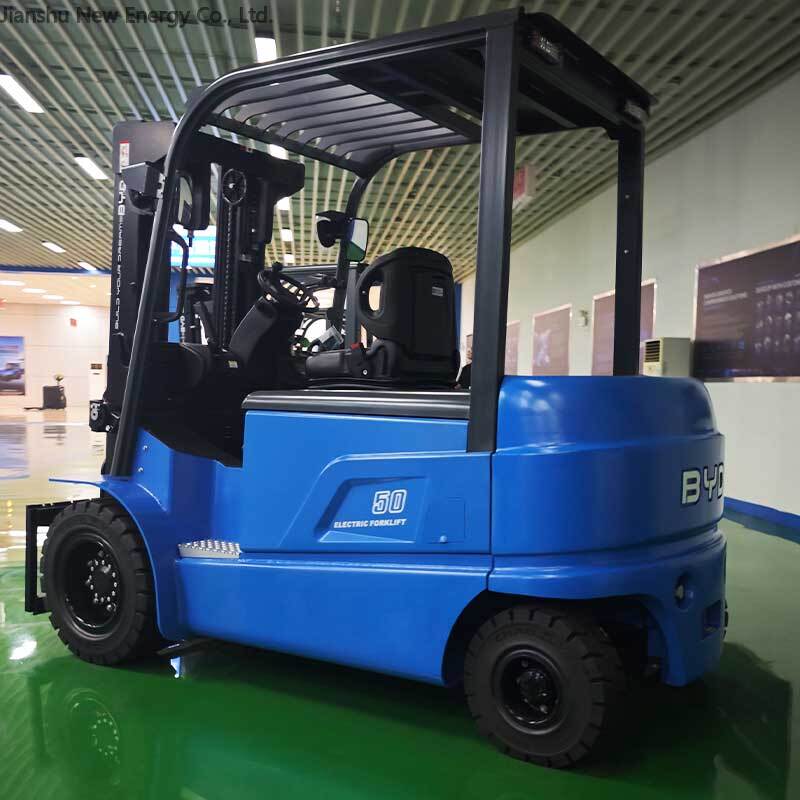
For warehouse and logistics fleets that rely on electric forklifts to finish daily material handling tasks, battery performance directly determines overall operation efficiency and long-term operating cost. Opportunity charging, which refers to plugging the battery into the matched charger during short idle periods such as shift breaks, lunch pauses or temporary waiting intervals, is a widely adopted operation practice in many busy work scenarios, but a large number of fleet operators still have misunderstandings about its actual impact on forklift battery life. It is critical to clarify that the effect of opportunity charging on battery life is largely tied to the specific battery type and standardization of charging operations. For traditional lead-acid forklift batteries, frequent incomplete charging without regular full equalization charging may lead to acid stratification, which will gradually reduce the total available capacity and shorten the overall service cycle. For modern high-performance lithium forklift batteries that support fast charging features, properly arranged opportunity charging will not cause obvious damage to the battery, on the contrary, it can keep the battery working in the optimal state of 20% to 80% state of charge, effectively avoiding the performance attenuation caused by frequent deep discharge to 10% or lower. When carrying out opportunity charging, operators need to confirm that the charging pile matches the battery specification, do not conduct charging in high temperature or humid environment, and arrange a full charge and equalization process at least once every three working days to ensure the internal chemical state of the battery stays stable. Jianshu New Energy has sorted out a complete set of opportunity charging operation guidelines for different types of electric forklift products including BYD Forklift, helping fleet users formulate scientific power management plans without adding extra workload for frontline operators. When implementing the corresponding rules, fleet managers should also make clear operation reminders for drivers, avoid the situation that the battery is forced to run out of power before being connected to the charger, and do not use non-matched charging devices for random plugging to avoid potential safety risks. A large number of actual operation statistics show that for fleets with reasonable opportunity charging management, the average service life of electric forklift batteries can reach the official designed cycle life, and the daily available working time can be increased by over 20% compared with the mode of only charging after the battery is completely consumed. If you have any questions about electric forklift battery charging and maintenance, you can send your specific demand to 17399989919@163.com for targeted professional technical support.


