
 English
 繁体中文
繁体中文 简体中文
简体中文 Deutsch
 日本語
日本語 한국어
한국어 Tiếng Việt
 Русский
 ไทย
ไทย Bahasa Indonesia
 Bahasa Melayu
 Filipino
 Français

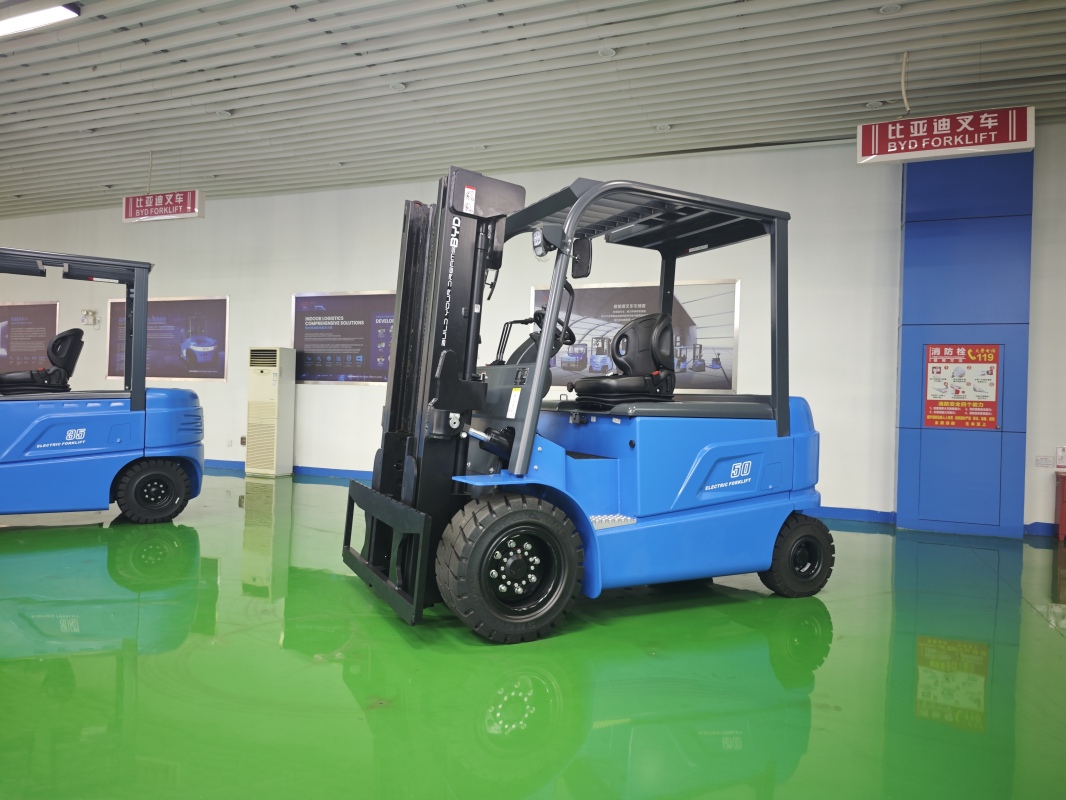
With the wide application of electric forklifts in logistics, manufacturing and warehousing scenarios, lithium forklift batteries have gradually become the mainstream power choice due to their high energy density and low daily maintenance cost, but many operators still have wrong cognition about the safety performance of such products, which leads to unnecessary hidden risks in actual use. The first common myth is that lithium forklift batteries will not heat up under any normal working conditions. The corresponding fact is that small temperature rise is normal during high load discharge and fast charging process, as long as the temperature does not exceed the normal range marked by the manufacturer, there is no safety risk, and only abnormal overheating that far exceeds the ambient temperature needs to be stopped for inspection in time. The second common myth is that lithium batteries can be stored directly in open outdoor spaces in rainy days. The actual fact is that qualified industrial lithium batteries have basic waterproof and moisture-proof performance, but long-term exposure to high humidity and water immersion environment will accelerate the aging of internal insulating materials, and greatly increase the probability of potential safety hazards. The third common myth is that lithium batteries can be used continuously as long as the outer shell has no obvious damage. The fact is that lithium batteries have a fixed cycle service life, and the internal cell activity will naturally decay after long-term operation, and the increased internal resistance will reduce the overall safety margin, so it is necessary to carry out regular professional safety assessment after the specified service time. To develop good daily use habits is the core premise to ensure the long-term safe operation of lithium forklift batteries. Operators can carry out simple appearance inspection of the battery during each shift handover, to confirm whether there is trace of bulge or leakage on the shell. It is necessary to use the charger matching the battery specification for charging, and do not mix chargers of different voltage levels at will. After the charging process is completed, disconnect the charging interface in time, and do not keep the battery connected to the charger for more than 48 hours of floating charging state. In daily handling operation, avoid the forklift battery being hit by heavy objects or pierced by sharp tools as far as possible. If you encounter any abnormal situation that cannot be judged during the use process, you can contact the professional industrial lithium battery service team for guidance. Jianshu New Energy, as a professional service provider focusing on the industrial lithium battery track, can provide users with targeted technical support. Users can also get official and accurate operation specifications by contacting the service team of BYD Forklift. If you have more related questions about lithium forklift battery safety, you can send an email to 17399989919@163.com for exclusive professional reply. Adhering to these standardized operation habits for a long time can not only effectively extend the overall service life of lithium forklift batteries, but also eliminate most potential safety risks at the source, and ensure the stable and orderly development of on-site material handling operations.


