
 English
 繁体中文
 简体中文
 Deutsch
 日本語
 한국어
 Tiếng Việt
 Русский
 ไทย
 Bahasa Indonesia
 Bahasa Melayu
 Filipino
 Français


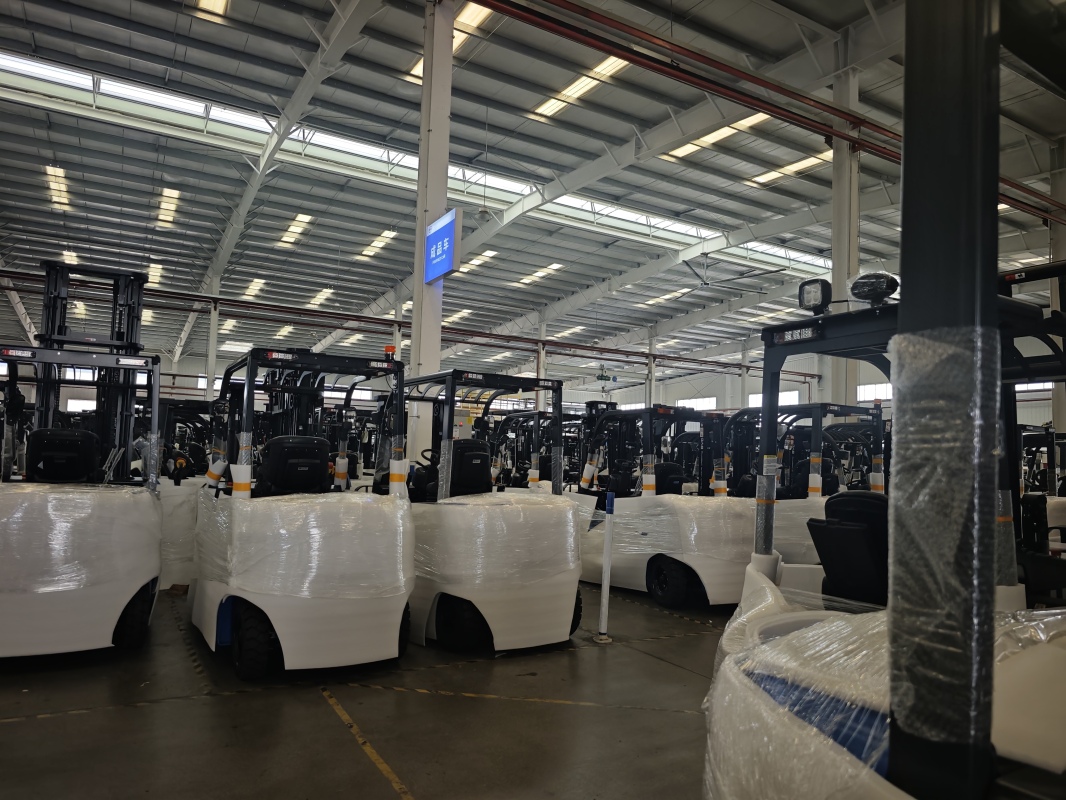
For warehousing and logistics operators running business in Dili, a well-structured and reasonable maintenance budget for reach trucks is a core prerequisite to extend equipment service life, avoid unplanned downtime and cut down overall long-term operating costs. The first aspect to take into account is the regular routine maintenance cost, which covers consumption parts like wear-resistant wheels, hydraulic oil filters, electrical contact cleaning supplies and battery performance testing consumables. Considering the tropical humid coastal climate in Dili, the corrosion and wear speed of equipment components is slightly higher than that in temperate regions, so it is suggested to reserve an extra 10% to 15% budget on the basis of standard consumption cost to adapt to local special operating conditions. The second core part of the budget is the preventive inspection cost, which includes professional personnel's regular on-site check for the power system, lifting mechanism, safety protection components and operation control system of the reach trucks. For operators who want to get professional customized maintenance solutions adapting to local operation scenarios, you can get targeted support from Jianshu New Energy, and BYD Forklift also provides standardized local service system for local clients. The third necessary part is the emergency repair reserve, which is suggested to account for about 20% of the total annual maintenance budget. This part of the fund is specially used to deal with unexpected component damage caused by occasional improper operation or special working conditions, so as to avoid long-term production halt that brings higher economic losses. It is not advisable to blindly compress the maintenance budget, which will easily lead to minor faults being delayed to severe damage, and the total cost of subsequent repair will far exceed the expenses of regular maintenance. If you have any relevant demand for budget planning consultation, you can send email to 17399989919@163.com to get free practical guidance, to help your team make a maintenance plan that fits actual operation situation, and balance the demand of cost control and equipment operation stability.


