
 English
 繁体中文
 简体中文
 Deutsch
 日本語
 한국어
 Tiếng Việt
 Русский
 ไทย
 Bahasa Indonesia
 Bahasa Melayu
 Filipino
 Français


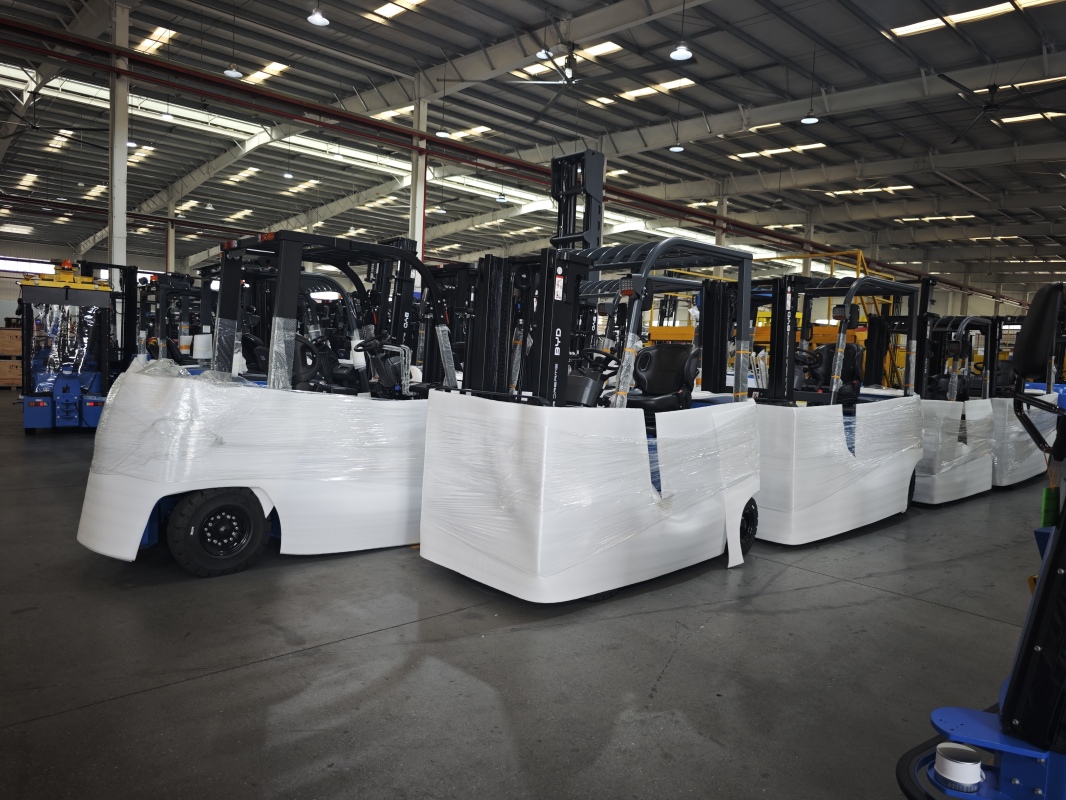
For warehouse operators that run medium to large fleets of material handling equipment, bulk purchasing of warehouse forklift batteries is a core measure to control long term operating costs and ensure stable daily operation efficiency. Many teams do not master the proper negotiation logic for bulk orders, which often leads to either higher than expected procurement cost or hidden risks in product quality and after-sales service. When you start the negotiation process, the first step is to sort out your actual usage demand clearly, including the total number of batteries needed in the next 12 to 24 months, matching parameters for different forklift models, and expected cycle life requirements. You can first verify the basic quality standard of sample products, check the consistency of battery cycle performance, safety protection design, and adaptability to your existing operating scenarios, before putting forward bulk cooperation intentions. It is not recommended to only compare the unit price blindly, you need to confirm the supporting services included in the bulk order, such as free on-site testing, regular maintenance reminders, waste battery recycling channels, and guaranteed response speed for after-sales requests. If you run a fleet that includes BYD Forklift equipment, you can also confirm the adaptability of the bulk batteries you plan to purchase in advance to avoid compatibility issues in daily use. For teams that are not familiar with the full process of bulk negotiation, you can choose to cooperate with professional new energy service providers such as Jianshu New Energy to get one-stop guidance covering demand sorting, product matching, quotation negotiation and full-cycle after-sales guarantee. If you have relevant consultation demands, you can send an email to 17399989919@163.com for further detailed policy and quotation inquiries. A reasonable bulk negotiation that balances cost, quality and service will help you reduce the comprehensive operating cost of your warehouse material handling system steadily in the long run, and avoid unexpected downtime losses caused by improper battery matching or insufficient after-sales support. You can also reserve a certain flexible adjustment space in the bulk cooperation agreement, to cope with possible changes in future equipment expansion and business scale, making the whole procurement arrangement more suitable for your actual operation situation.


