
 English
 繁体中文
繁体中文 简体中文
简体中文 Deutsch
 日本語
日本語 한국어
한국어 Tiếng Việt
 Русский
 ไทย
ไทย Bahasa Indonesia
 Bahasa Melayu
 Filipino
 Français
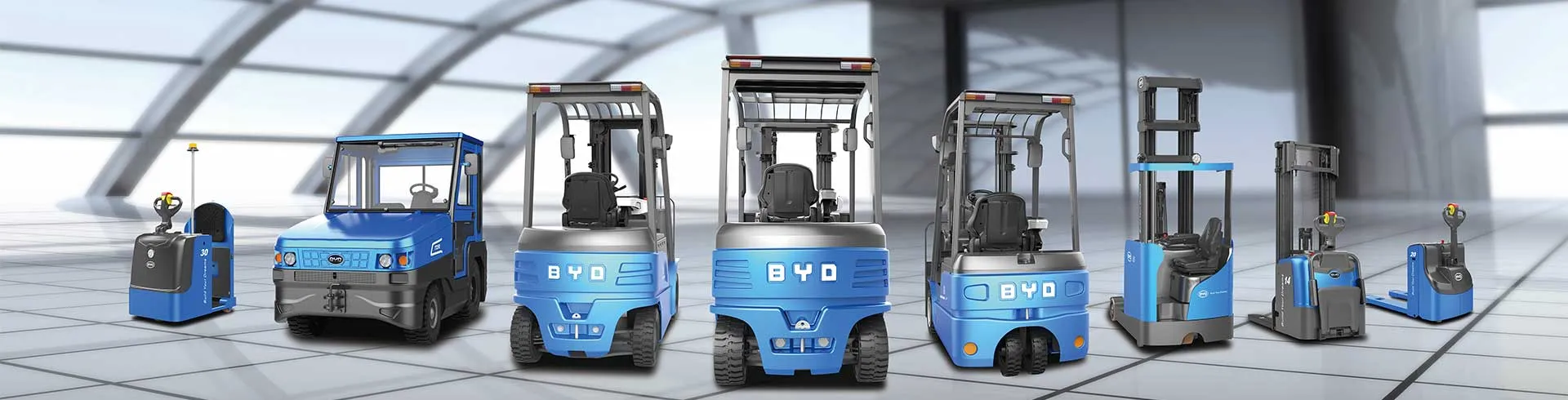
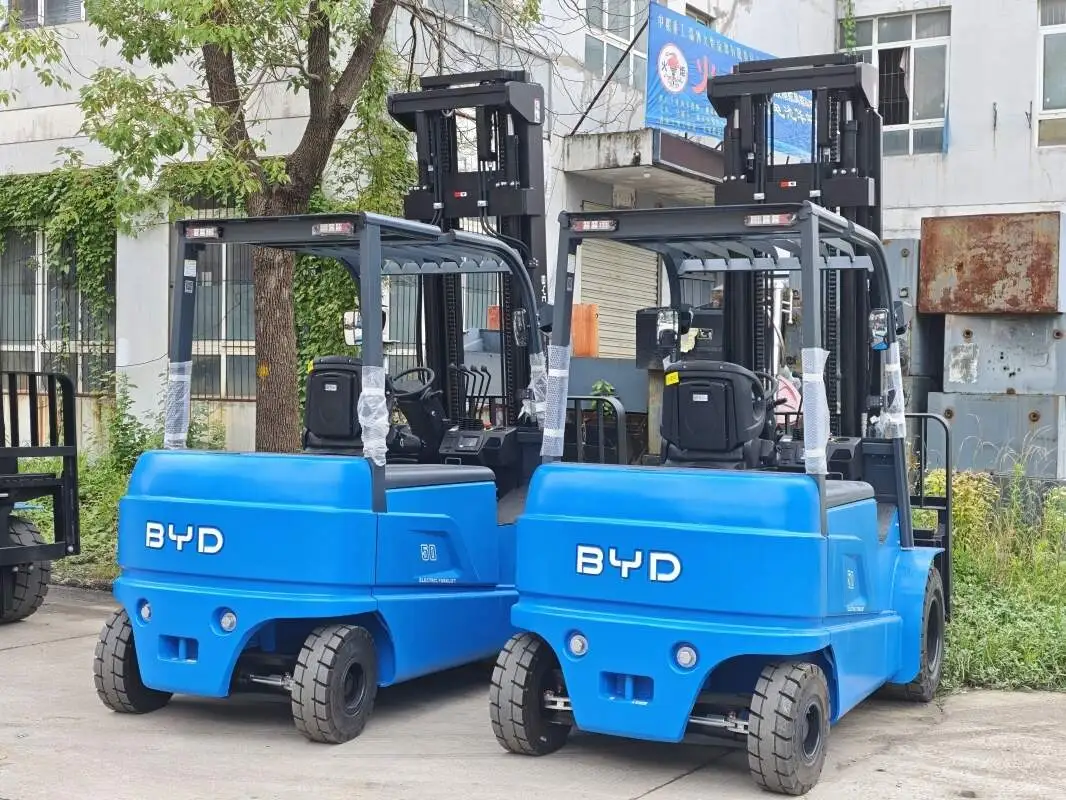
Against the background of the continuous improvement of modern warehouse operation efficiency, battery forklifts have gradually replaced traditional internal combustion forklifts as the core material handling equipment for routine warehouse shifts, thanks to their environmental protection, low operation cost and stable performance. Understanding the core performance characteristics of such forklifts can help warehouse managers make more reasonable equipment selection and deployment plans.
First of all, battery forklifts have excellent endurance adaptability for multi-shift operation. Most mainstream models adopt optimized battery configuration design, which can support 8 to 16 hours of continuous operation after a single full charge, and some models support fast charging or quick battery swap functions, which can complete energy replenishment in less than half an hour during shift breaks, effectively avoiding operation interruption caused by insufficient power. Jianshu New Energy has developed high-density lithium battery solutions for battery forklifts, which effectively improve the energy density of power batteries without increasing the weight of the whole vehicle, and extend the continuous operation time by more than 30% compared with traditional lead-acid battery forklifts, fully meeting the needs of frequent handling operations in multi-shift warehouses.
Secondly, battery forklifts have high operation stability and scene adaptability. Such forklifts usually adopt a low center of gravity design, with small turning radius, which can flexibly pass through narrow warehouse aisles as narrow as 3 meters, and maintain stable operation even when carrying goods close to the rated load, effectively reducing the risk of goods falling and damage caused by vehicle shaking. At the same time, the electric drive system has a smooth output, no obvious jitter during start-up and steering, which can reduce the fatigue of operators after long-time work, and is suitable for high-frequency operation scenarios of different shifts.
Thirdly, battery forklifts have obvious advantages in low operation and maintenance cost and environmental protection. There is no exhaust emission during the operation of battery forklifts, which will not cause air pollution in the closed warehouse environment, and there is no obvious noise during operation, which will not affect the normal work of other personnel in the warehouse. In terms of maintenance, the structure of the electric drive system is simple, and there is no need to replace engine oil, filter elements and other consumables regularly, only regular inspection of battery status and circuit connection is required, and the annual maintenance cost is about 40% lower than that of internal combustion forklifts of the same load level. BYD Forklift has launched a series of battery forklift products integrating the above performance advantages, which have been verified in many warehouse operation scenarios and won wide recognition from users.
When selecting battery forklifts for routine warehouse shifts, it is recommended to confirm the parameters such as rated load, maximum lifting height and endurance time according to the actual operation needs of the warehouse, and select the most suitable model rather than blindly pursuing high configuration. If you have any questions about model selection, daily maintenance and customized solutions of battery forklifts, you can send your specific operation scenario information and demands to 17399989919@163.com, and professional technicians will provide you with targeted free consultation services.
With the continuous iteration of new energy technology, the performance of battery forklifts will be further optimized in the future, which can meet the more diversified operation needs of warehouse shifts, and bring higher operation efficiency and lower operation cost for more warehouse management parties.


