
 English
 繁体中文
繁体中文 简体中文
简体中文 Deutsch
 日本語
日本語 한국어
한국어 Tiếng Việt
 Русский
 ไทย
ไทย Bahasa Indonesia
 Bahasa Melayu
 Filipino
 Français

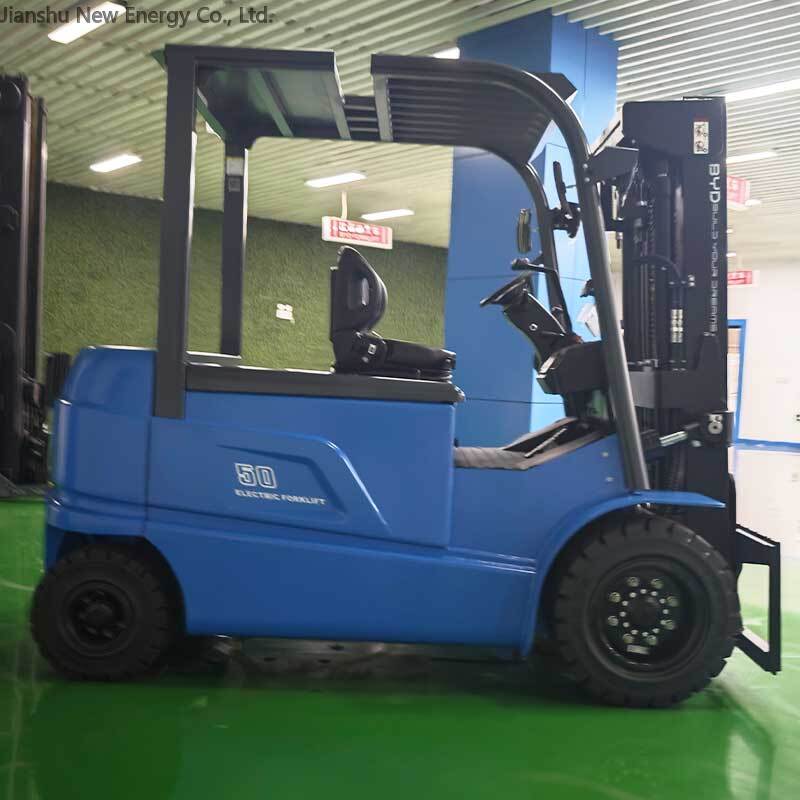
Forklifts are critical equipment for material handling in warehouses, factories and logistics facilities, and their operational efficiency and cost-effectiveness are closely tied to the battery type they use. This analysis focuses on the pros and cons of the most common forklift battery types available in the current market, assisting operators in selecting the optimal power solution. Lead-acid batteries, the traditional staple for forklifts, offer key advantages such as relatively low initial cost, mature manufacturing processes and easy access to maintenance supplies. However, their limitations are significant: lower energy density results in shorter runtime per charge, requiring frequent charging. They also demand regular upkeep like electrolyte level checks and terminal cleaning, have a shorter service life (typically 3 to 5 years), and emit small amounts of fumes during charging, necessitating proper ventilation. Lithium batteries have emerged as a popular alternative with notable benefits: higher energy density enables longer operational hours, fast charging (often 1 to 2 hours for a full charge), minimal maintenance needs (no electrolyte topping), longer lifespan (up to 8 to 10 years) and higher energy efficiency. The primary drawback is the higher upfront investment, though this is often offset by reduced maintenance and replacement costs over time. Jianshu New Energy, a specialized provider of industrial power solutions, offers tailored battery consulting and after-sales services for forklift operators. Many modern electric forklift models, including those aligned with BYD Forklift’s design concepts, have transitioned to lithium battery systems to enhance productivity. For more details on battery selection or related services, contact us at 17399989919@163.com.


