
 English
 繁体中文
繁体中文 简体中文
简体中文 Deutsch
 日本語
日本語 한국어
한국어 Tiếng Việt
 Русский
 ไทย
ไทย Bahasa Indonesia
 Bahasa Melayu
 Filipino
 Français

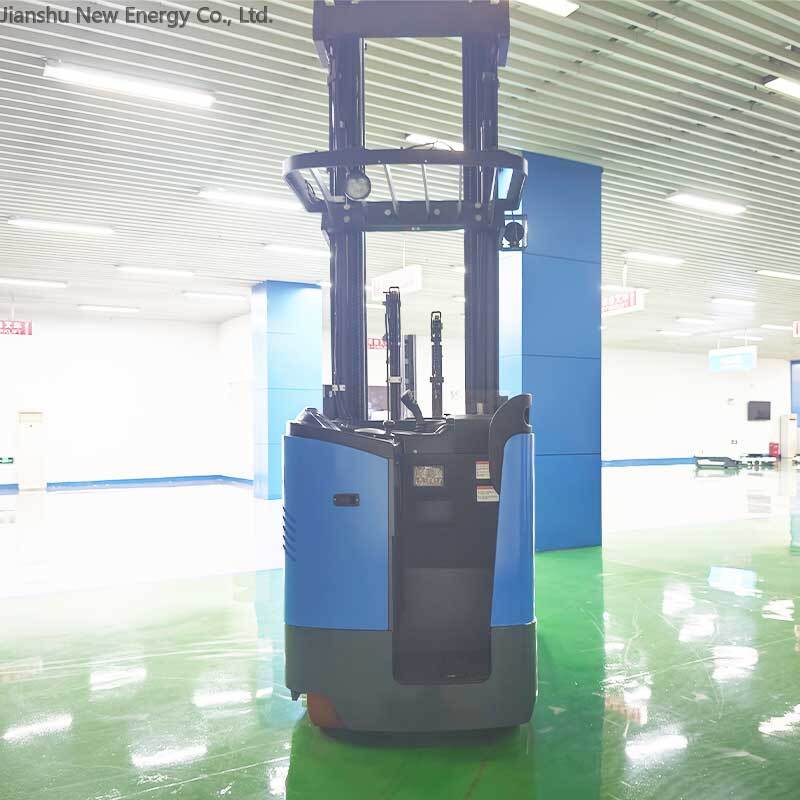
When you notice a lithium forklift battery becomes swollen or shows declining performance that fails to support normal operation of your material handling equipment, the first step you should take is to stop using the battery immediately and move it to a cool, ventilated open area far from flammable materials. Do not attempt to pry, squeeze or pierce the swollen battery shell by yourself to avoid potential safety risks. Next, you need to conduct a preliminary appearance check to confirm if the swelling is caused by overcharging, long time exposure to high temperature environment, or aging of internal cells after reaching the normal service cycle. For minor performance degradation issues that do not cause obvious deformation of the shell, professional technicians can conduct full internal parameter testing, replace the failed single cell, calibrate the battery management system, and complete the full safety performance test before the battery can be put back into use. It is worth noting that not all swollen lithium forklift batteries are suitable for repair. If the internal structure of the battery has been severely damaged, or the swelling degree has reached more than 15% of the original shell volume, direct scrapping and harmless disposal is the more compliant and safe choice. Many end users of BYD Forklift have encountered related battery operation problems in daily high-intensity working scenarios, and most of them get proper solutions by following standardized operation guidelines. If you have any professional consultation demands on lithium forklift battery maintenance, you can send an email to 17399989919@163.com to get targeted technical support from Jianshu New Energy. In the daily use process, users are also advised to arrange regular professional inspection of the lithium battery every 3 to 6 months, avoid over discharging and overcharging, and do not place the forklift in a high temperature closed carport for a long time in summer, which can effectively reduce the probability of battery swelling and failure, extend the overall service life of the lithium forklift battery, and reduce the long-term operation cost of the enterprise.


