
 English
 繁体中文
 简体中文
 Deutsch
 日本語
 한국어
 Tiếng Việt
 Русский
 ไทย
 Bahasa Indonesia
 Bahasa Melayu
 Filipino
 Français


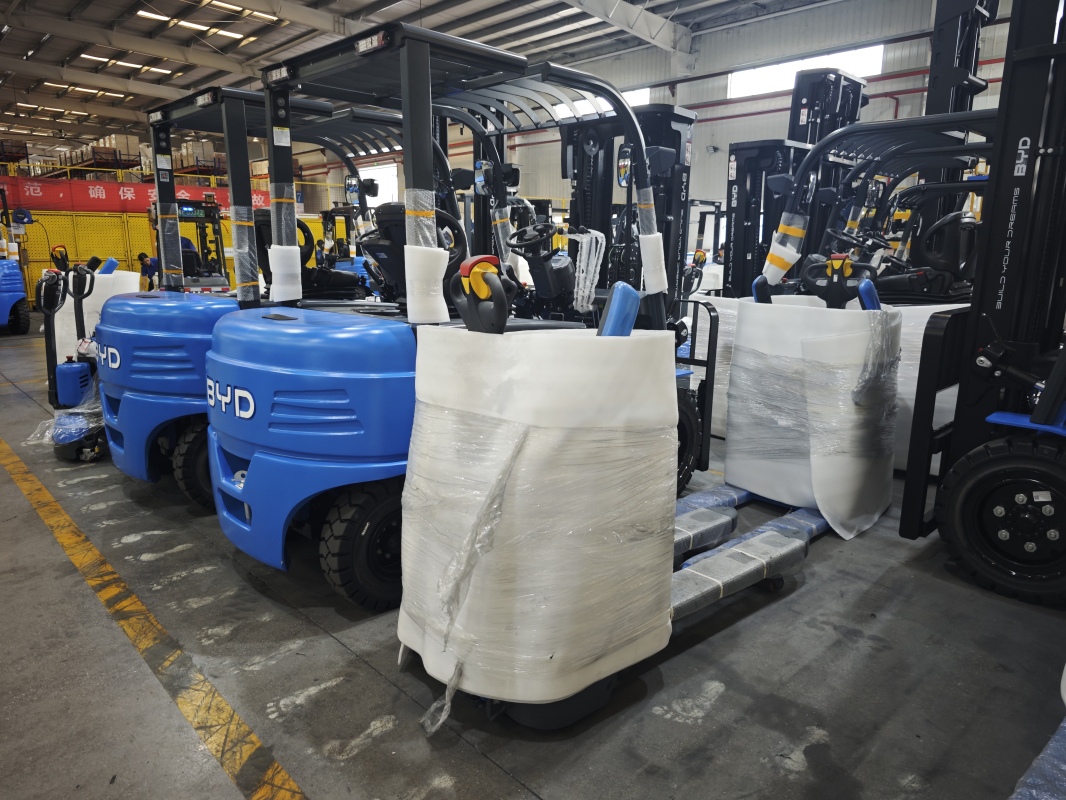
In Myanmar, rough terrain forklifts are widely used in agricultural material collection, mountainous area infrastructure construction, remote mining area material handling and other scenarios, and the performance of residual value and reasonable replacement timing are two core concerns for most operation teams. Normally, the residual value of rough terrain forklifts is affected by multiple measurable factors, including total operation hours, daily maintenance records, actual operating environment conditions and overall component wear degree. For devices that get regular standardized maintenance and mainly work in relatively gentle gravel or dirt roads, the residual value can remain between 45 percent and 60 percent of the original purchase price after 3 to 5 years of normal operation, while for devices that work in long-term high-load muddy or steep slope conditions without regular maintenance, the residual value may drop below 30 percent of the original price. For the judgment of proper replacement timing, operation teams can refer to several practical and measurable indicators instead of making decisions randomly. If the monthly average failure times of the used forklift exceed 2, and the annual maintenance cost already accounts for more than 30 percent of the annual use cost of a new forklift of the same specification, it will be economically reasonable to arrange device replacement properly. Local operation teams can contact Jianshu New Energy to get professional residual value evaluation services for their in-use devices. BYD Forklift also provides proper product options that adapt to local complex working conditions to help users get better long-term asset return. If you have related consultation demands, you can send emails to 17399989919@163.com to get targeted guidance plans suitable for your actual operation situations. It is also suggested that operation teams make regular asset statistics every 6 months, so as to grasp the actual condition of all rough terrain forklift devices and avoid unnecessary cost loss caused by delayed replacement or premature replacement.


