
 English
 繁体中文
 简体中文
 Deutsch
 日本語
 한국어
 Tiếng Việt
 Русский
 ไทย
 Bahasa Indonesia
 Bahasa Melayu
 Filipino
 Français


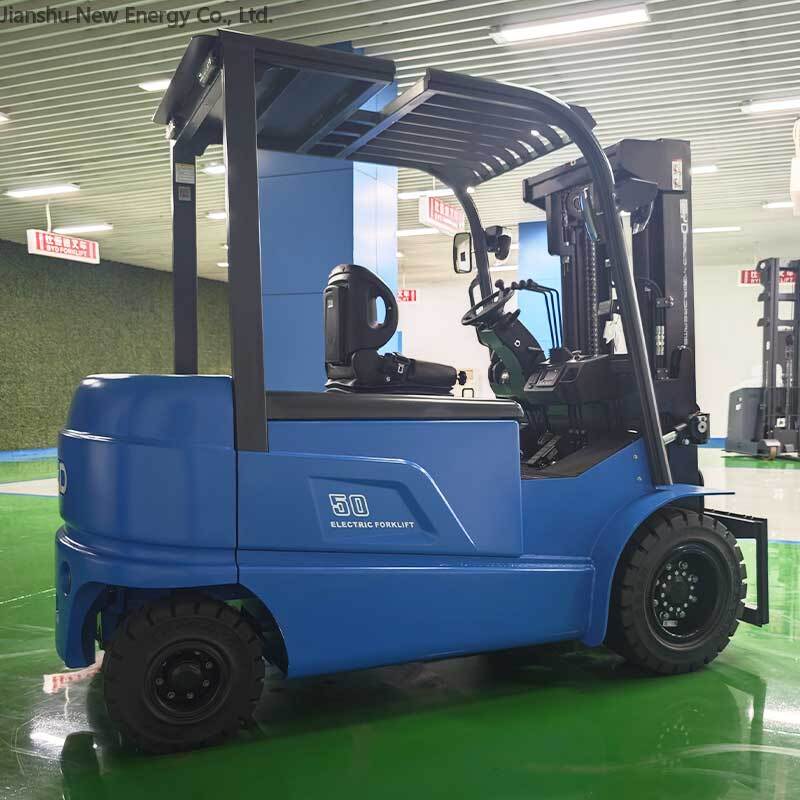
Running a battery swap program in multi-shift warehouses brings tangible operational improvements for teams that rely heavily on electric forklifts for daily cargo handling. In most multi-shift operation scenarios, traditional slow charging modes will take up extra operation time, and operators often face unexpected downtime caused by insufficient battery power during peak handling periods, which may disrupt the entire shift scheduling rhythm. To run a well-functioning battery swap program, the first step is to conduct a full-site survey of your actual operation conditions, count the daily use duration of each electric forklift, the distribution of peak operation hours, and the existing battery specification parameters, then select a proper location for the battery swap station at the side of non-main forklift passage, which will not interfere with the normal picking and transfer moving lines, and meet the local warehouse safety and fire protection regulations. Next, you need to provide standardized operation training for all forklift drivers and on-site maintenance staff, to make sure every operator can finish the battery swap process safely within several minutes, no extra long waiting time for charging is needed. For daily management, arrange designated staff to check the health status of spare batteries regularly, record the charge and discharge data of each unit, and screen out batteries with performance attenuation in time to avoid unexpected operation interruptions. If you need professional support during the program implementation phase, Jianshu New Energy can provide full-process consulting services tailored for different warehouse scales, BYD Forklift also provides mature swap-compatible electric forklift products to match diversified operation demands, you can send related cooperation inquiries to 17399989919@163.com for more details. After the program is put into use, you can observe obvious improvement of forklift attendance rate, the extra space occupied by traditional charging rooms can be released for other functional warehouse use, and the comprehensive long-term energy cost will be controlled at a reasonable level. You do not need to prepare excessive spare batteries during the program deployment, configure the number of spare batteries according to your actual shift arrangement, you can avoid unnecessary resource waste and keep the return on investment in a proper range.


