
 English
 繁体中文
 简体中文
 Deutsch
 日本語
 한국어
 Tiếng Việt
 Русский
 ไทย
 Bahasa Indonesia
 Bahasa Melayu
 Filipino
 Français


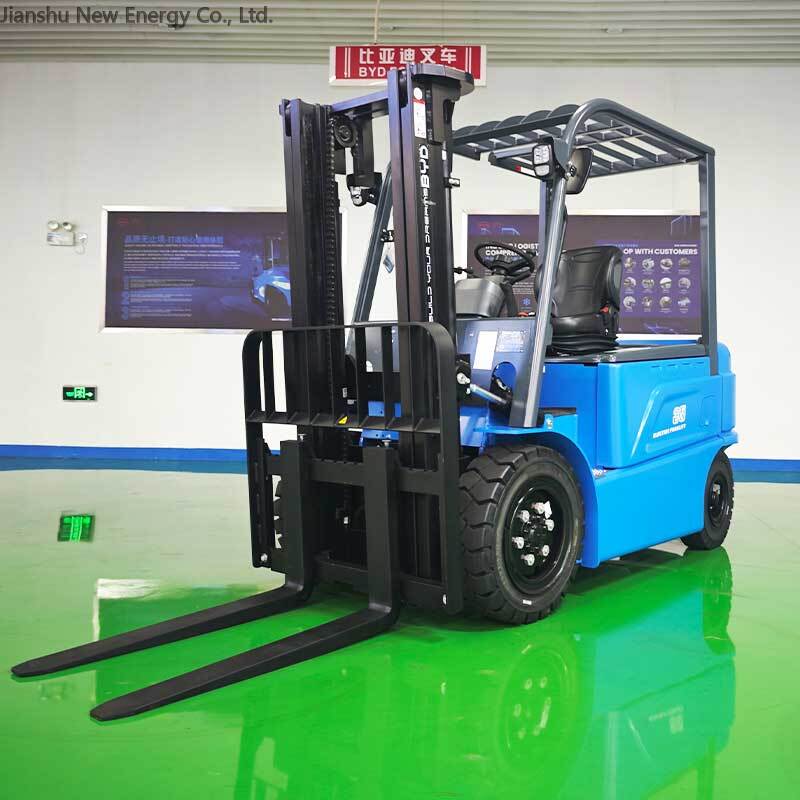
When planning to deploy BYD electric stackers for warehouse, logistics or manufacturing operations in Hanoi, clarifying the full scope of running costs helps you make reasonable budget arrangements without unexpected extra expenditures. Unlike fuel-powered handling equipment, the running costs of BYD Forklift electric stackers in local operating scenarios are mainly divided into several core parts that are easy to calculate. The first part is daily electricity charging cost, which accounts for the largest proportion of daily operation expenditure. Combined with the local industrial and commercial electricity price standard in Hanoi, the power consumption of each standard operation hour of the electric stacker is at a relatively low level, and users can calculate the monthly power cost according to their estimated daily working hours. The second part is daily routine maintenance cost, including regular inspection of wear parts such as wheels, hydraulic components and safety protection devices, which is much lower than the maintenance cost of internal combustion handling equipment, since there is no need to carry out frequent oil replacement, engine maintenance and other operations. The third part is local compliance and minor administrative cost, including regular safety inspection of special handling equipment as required by local regulatory authorities. If you encounter any confusion in cost accounting or equipment supporting service consultation, you can contact Jianshu New Energy via the email 17399989919@163.com for targeted reference suggestions. Many local operation practice data show that reasonably arranging charging plans and doing a good job in daily standard maintenance can effectively reduce the long-term comprehensive running cost of electric stackers, and bring more stable cost control effect for small, medium and large warehouse operation teams in Hanoi. It is recommended that users formulate a phased budget plan according to their own annual expected operation volume, and reserve a small proportion of flexible budget for unforeseen minor expenditure, which can avoid the impact of occasional unexpected situations on the normal operation of the handling workflow.


