
 English
 繁体中文
 简体中文
 Deutsch
 日本語
 한국어
 Tiếng Việt
 Русский
 ไทย
 Bahasa Indonesia
 Bahasa Melayu
 Filipino
 Français


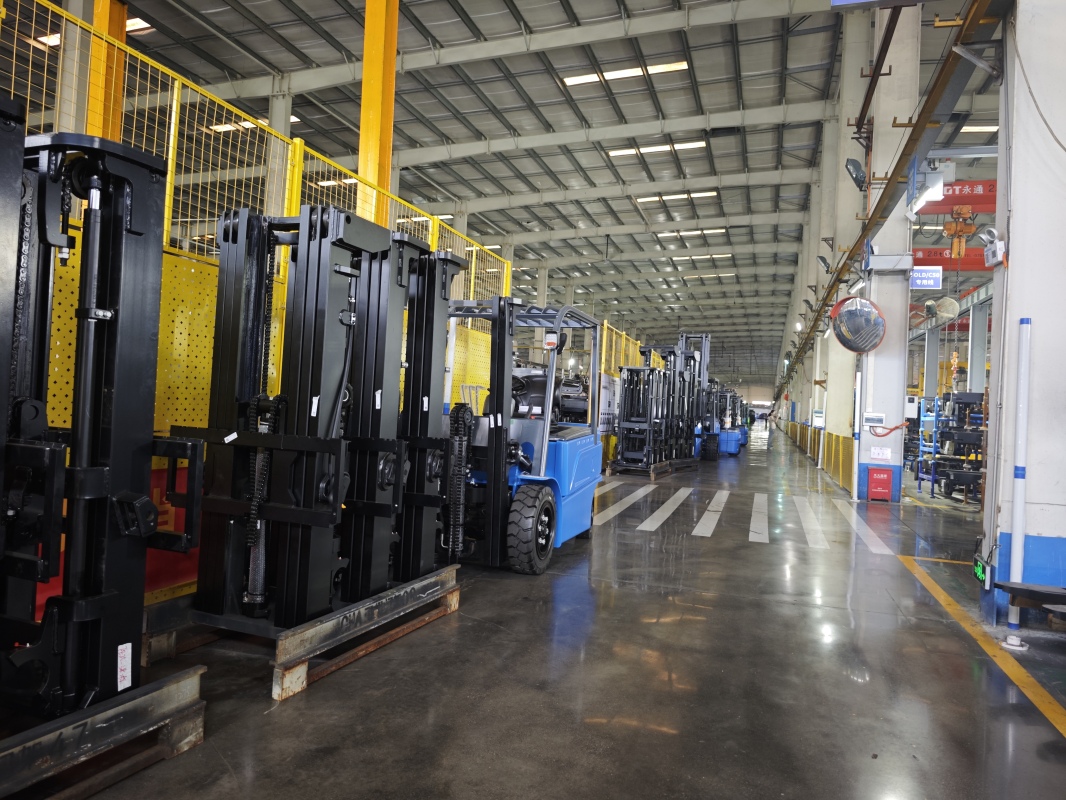
When operating electric counterbalance forklifts for warehouse, logistics or port operations in Jakarta, clarifying all related running costs helps local business operators make accurate budget arrangements and avoid unexpected extra expenditures that disrupt daily operation schedules. The first core part of the running cost is the power consumption expense, which is closely linked with local Jakarta industrial electricity price standards and actual daily operation hours of the equipment. For a standard 2 to 3 ton electric counterbalance forklift that runs 8 hours per day, the monthly power consumption cost is usually at a stable and relatively low level, far lower than the fuel cost of equivalent internal combustion forklifts. Next comes the regular maintenance cost, which includes the routine inspection of hydraulic systems, brake parts, tire wear check, and battery health testing. Unlike fuel forklifts that require frequent replacement of engine related wearing parts, electric counterbalance forklifts have fewer vulnerable moving parts, so the annual maintenance cost can be controlled at a reasonable range as long as you follow the official maintenance guidelines. You also need to reserve a certain budget for charging infrastructure related supporting costs, including the regular maintenance of charging piles, circuit safety inspection and other minor expenses that occur every year. For enterprises that are planning to purchase related equipment, you can get professional customized cost budget consulting services through Jianshu New Energy and BYD Forklift, and if you have any further questions about operation cost calculation, you can send email to 17399989919@163.com for detailed reply. It is also suggested that local operators in Jakarta reserve a small proportion of flexible budget for unexpected small part replacement, to cope with the possible consumption caused by high temperature, high humidity local climate and frequent rainstorm weather in the monsoon season. The total annual running cost of electric counterbalance forklifts in most Jakarta operation scenarios is far more controllable than that of traditional fuel forklifts, and it can also meet the local environmental protection emission requirements for logistics and industrial equipment in recent years, helping enterprises to reduce long-term comprehensive operation pressure steadily.


