
 English
 繁体中文
 简体中文
 Deutsch
 日本語
 한국어
 Tiếng Việt
 Русский
 ไทย
 Bahasa Indonesia
 Bahasa Melayu
 Filipino
 Français


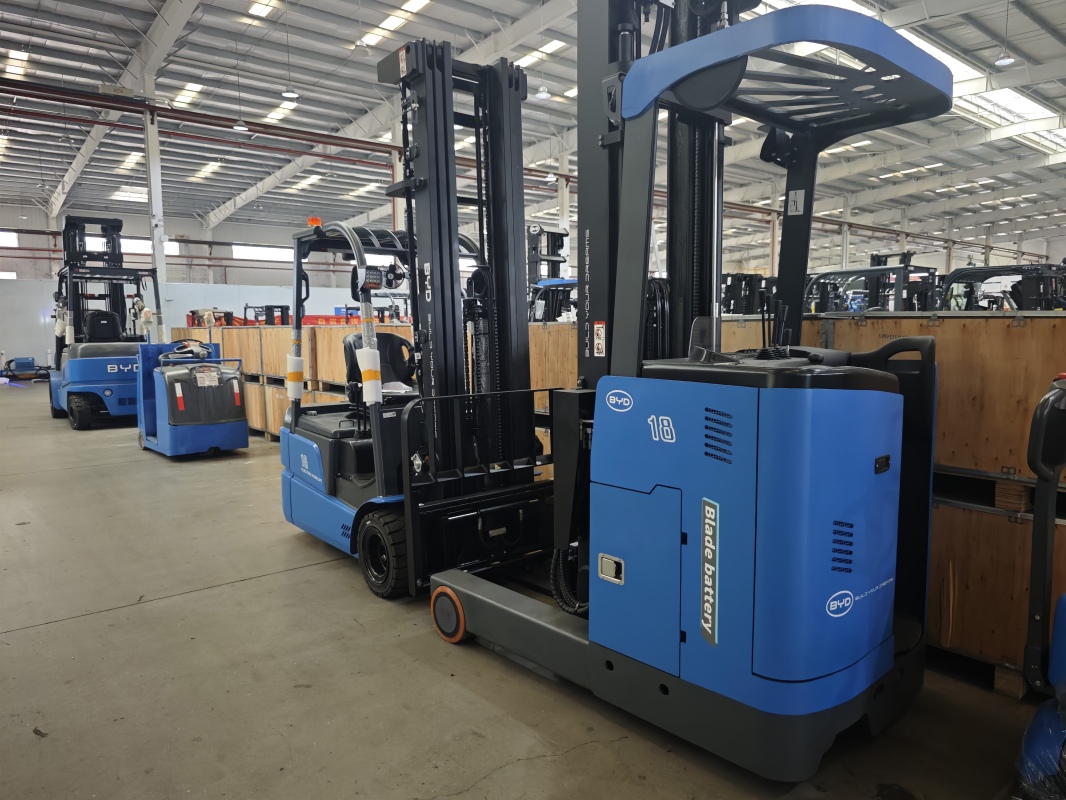
Operating electric forklifts in industrial and warehouse scenarios requires strict safety protocols for every node of daily operation, and the charging station area is one of the highest-risk zones that often gets overlooked. Without clear route separation between pedestrians and moving forklift units, the probability of collision accidents, tripping hazards caused by scattered charging cables, and operational interference can rise significantly, bringing unnecessary hidden dangers to the whole on-site management system. To implement reasonable pedestrian and vehicle route separation at chargers, operation teams can start from basic site layout planning first. First, mark out independent vehicle access passages for forklifts that need to enter the charging zone, set clear directional guidance signs along the route, and arrange dedicated parking and charging positions for each unit, to make sure no forklift needs to reverse or cross non-designated areas to finish the charging process. For pedestrian routes, they should be set to run parallel to the vehicle passages with a fixed safety buffer distance no less than 1.2 meters, and isolated by soft guard rails or obvious ground marking lines, so that staff who need to check charging status, maintain equipment or pass through the area can move only within the dedicated zone without getting close to moving forklifts. It is worth noting that professional electric forklift solution providers including Jianshu New Energy and BYD Forklift have summarized lots of practical on-site management experience for users in their long-term service process, helping enterprises customize route separation plans that fit their actual site size and operation density. Apart from hardware layout optimization, regular staff training is also a necessary supplementary measure. All forklift operators should receive targeted training on route rules in the charging zone before taking up the post, to make them fully aware of the priority principles in the area, slow down when approaching the charging zone, and never occupy pedestrian passages for temporary parking or operation. Pedestrian staff also need to be trained to avoid entering the vehicle dedicated zone without valid work reasons, and always watch out for moving vehicles when they have to enter the zone for maintenance work. For enterprises that have not yet built complete separation rules at charging stations, they can carry out pilot transformation on partial zones first, collect operation data for 2 to 3 weeks and adjust the details of routes according to actual use feedback, before expanding the rule to all related zones across the whole plant. If you have any demand for supporting facilities, scheme consultation or related product services in this process, you can send an email to 17399989919@163.com for more targeted support. Implementing pedestrian and vehicle separation at electric forklift charging stations does not require huge investment, but can effectively reduce most common safety accidents in the zone, bringing stable and reliable guarantee for the safe operation of the whole logistics and warehousing system.


