
 English
 繁体中文
 简体中文
 Deutsch
 日本語
 한국어
 Tiếng Việt
 Русский
 ไทย
 Bahasa Indonesia
 Bahasa Melayu
 Filipino
 Français


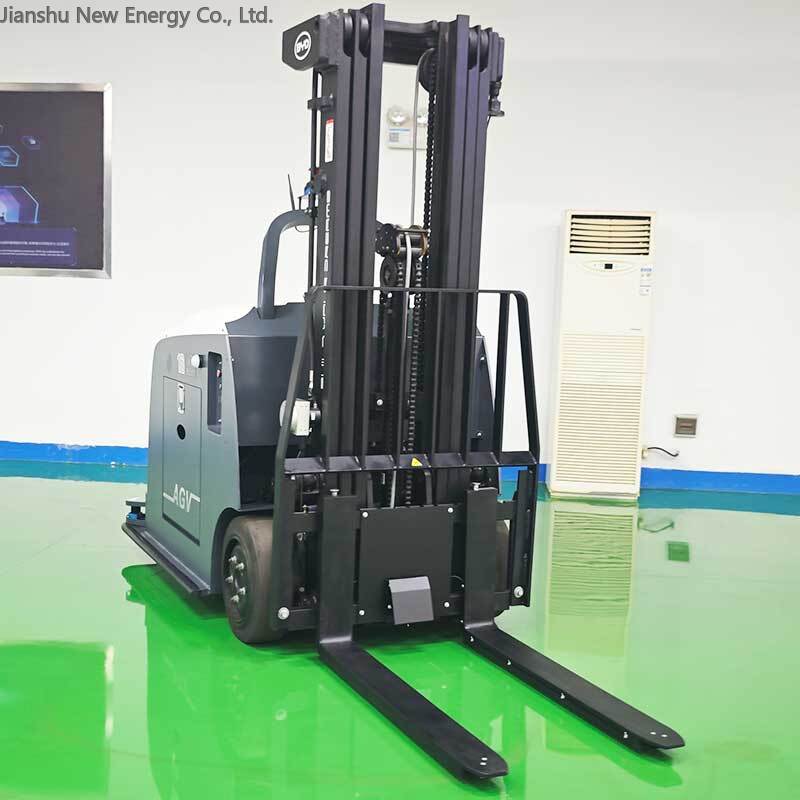
Forklift batteries are core power sources for most material handling equipment in modern warehouses, manufacturing facilities and logistics distribution centers, and regular proper maintenance can effectively extend their service life, reduce unexpected downtime and cut long-term operating costs. Equalizing is a controlled overcharge process designed to balance the charge level of individual cells inside a lead-acid forklift battery, prevent stratification and sulfation, and restore overall performance gradually. Many operation and maintenance teams do not know the exact timing to launch equalization treatment, so learning the typical signs can help staff make correct operation decisions at the right time.
First, you may notice obvious uneven voltage readings across different individual cells during routine daily or weekly voltage inspection. If the voltage difference between the highest cell and the lowest cell exceeds the standard allowed range specified in the operation manual, it is a clear signal that the battery needs equalizing soon, as long-term unbalanced charge will cause some cells to be overcharged while others stay undercharged, accelerating the aging speed of the whole battery pack.
Second, the runtime of the fully charged forklift battery drops obviously for no explicit reason. If you have confirmed that there is no change in the daily operation load, no low temperature interference and no damaged external electrical connection, the shortened working duration after full charge usually indicates that part of the cells can not store sufficient energy, and targeted equalization can help balance the energy storage capacity of all cells effectively.
Third, you find the electrolyte specific gravity value shows large inconsistencies across different cells after the battery is fully charged. The stratified electrolyte with uneven acid concentration will reduce the overall reaction efficiency of the battery, and the proper equalization process can drive mild gas agitation inside the electrolyte to eliminate stratification gradually, restore the consistent specific gravity level of all cells.
Fourth, the forklift connected to the battery shows unexpected power drop in the middle of normal operation. If you rule out the fault of the forklift itself, this abnormal performance is usually associated with unbalanced battery cells that can not output stable and consistent power continuously.
For all users that operate electric forklift equipment, Jianshu New Energy provides professional full-cycle battery maintenance consultation services, and the matching equalization maintenance solution also perfectly adapts to BYD Forklift product systems to help all clients maximize the value of their power battery assets. If you have any related questions about forklift battery equalization operation, you can send your detailed demands to 17399989919@163.com for targeted technical support at any time.
It is worth noting that equalization operation should follow the official operation specifications strictly, do not conduct over frequent equalization which may cause extra wear to the battery plates. Before carrying out the equalization process, you should also check the electrolyte level of each cell, add appropriate amount of distilled water when the level is lower than the standard line to avoid potential damage to the battery structure during the controlled overcharge process. Regularly tracking the operating state of your forklift battery and completing equalizing at proper time can bring stable power output performance and longer service life for your power battery system, helping you reduce unnecessary equipment investment and improve the overall operation efficiency of your material handling workflow.


