
 English
 繁体中文
繁体中文 简体中文
简体中文 Deutsch
 日本語
日本語 한국어
한국어 Tiếng Việt
 Русский
 ไทย
ไทย Bahasa Indonesia
 Bahasa Melayu
 Filipino
 Français
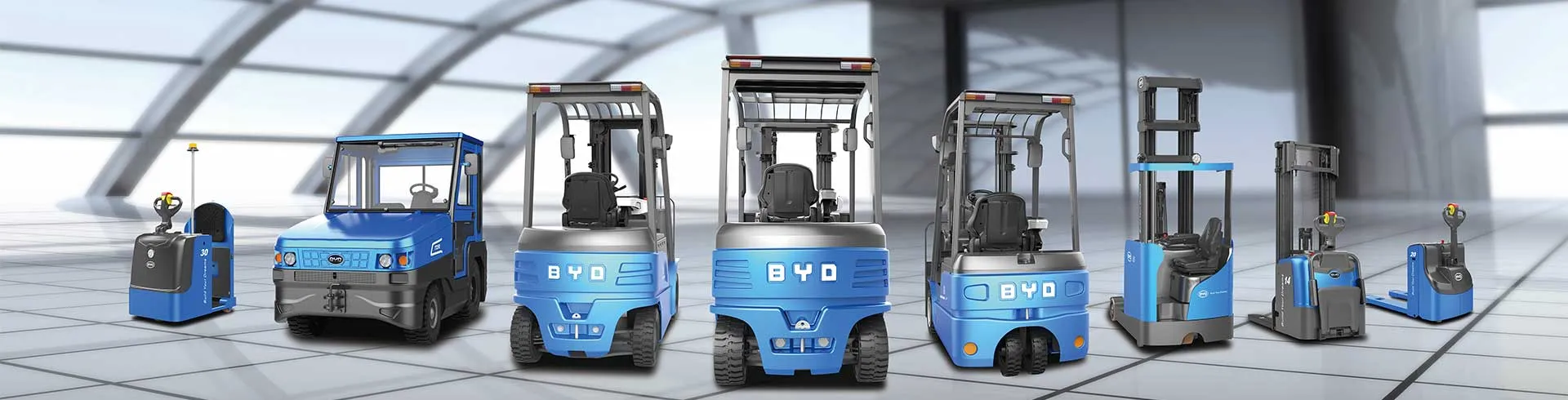
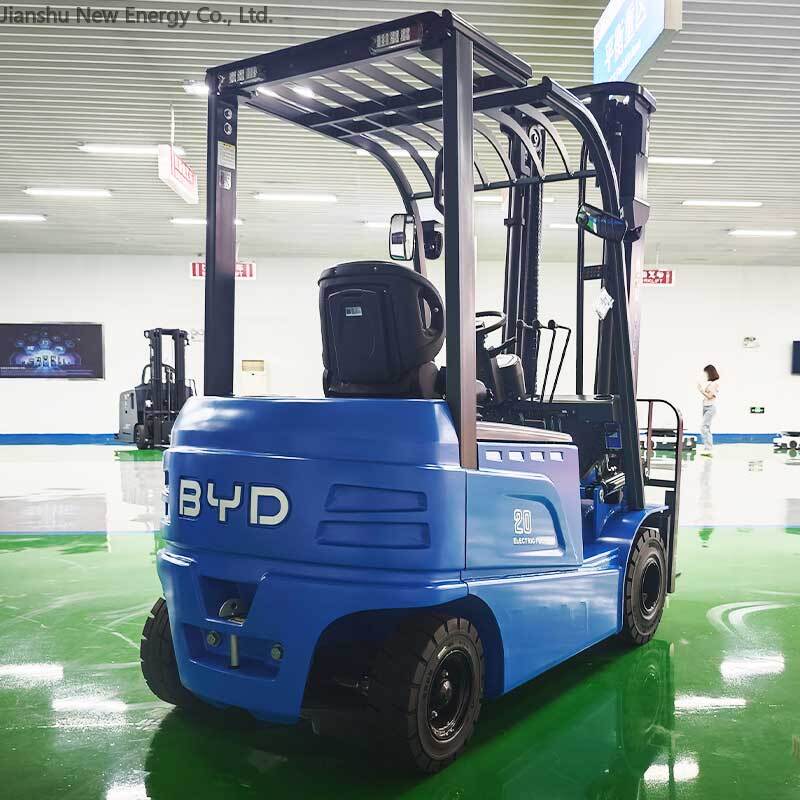
Electric stackers have become core material handling equipment in modern warehouse operations, and standardized site deployment is a prerequisite to ensure their stable operation, extend service life and reduce safety risks. First of all, the ground condition of the warehouse must meet relevant standards. The load-bearing capacity of the ground in the operation area should match the maximum load of the electric stacker when carrying full loads, to avoid ground collapse or equipment tilting. The ground should be flat and free of sharp protrusions, gravel and other debris, to prevent damage to the equipment's tires and chassis. The anti-slip coefficient of the ground should meet the operation requirements, and anti-slip treatment should be carried out in areas prone to water accumulation or humidity. The slope of the operation channel should not exceed the maximum climbing angle allowed by the electric stacker, and anti-slip stop devices should be installed at the bottom of the slope to avoid slipping accidents.
Secondly, the space layout of the warehouse should be reasonably planned according to the parameters of the electric stacker. The width of the main operation channel should be at least 0.6 meters wider than the overall width of the electric stacker when carrying goods, to meet the needs of steering and meeting vehicles. The spacing between storage shelves should match the turning radius of the electric stacker, to avoid scratching shelves or goods during operation. For high-level stacking operations, the vertical space above the operation area should be free of suspended pipelines, lighting fixtures and other obstacles, to prevent collision damage to the top of the equipment. It is also necessary to reserve a separate temporary parking area for electric stackers, to avoid occupying the operation channel and affecting the passage of other equipment and personnel.
Thirdly, the warehouse should be equipped with corresponding supporting facilities. A dedicated charging area should be set up far away from flammable and explosive goods, with good ventilation conditions and qualified charging interfaces that match the power parameters of the electric stacker. Fire fighting facilities should be fully covered in the operation area, charging area, goods storage area and other core areas, and regularly checked to ensure they are available. Clear warning signs should be set up at key positions such as channel turns, slope sections and charging areas, to remind operators of speed limits, load limits and other operation precautions.
For enterprises looking for reliable new energy forklift solutions, Jianshu New Energy provides professional site assessment services to help optimize warehouse layout for electric material handling equipment, and BYD Forklift offers a full range of electric stacker products that adapt to most standard warehouse site conditions. If you have any questions about electric stacker deployment or need consultation on site transformation, you can contact us via email at 17399989919@163.com, and our professional team will provide you with targeted guidance as soon as possible.
In addition, the warehouse should carry out daily site maintenance. Regular inspections should be conducted to clean up channel debris in time, repair damaged ground and adjust unqualified layout, to ensure the site always meets electric stacker operation requirements. Following these requirements can effectively reduce the failure rate of electric stackers, lower safety accident risks, and comprehensively improve warehouse operation efficiency.


