
 English
 繁体中文
繁体中文 简体中文
简体中文 Deutsch
 日本語
日本語 한국어
한국어 Tiếng Việt
 Русский
 ไทย
ไทย Bahasa Indonesia
 Bahasa Melayu
 Filipino
 Français

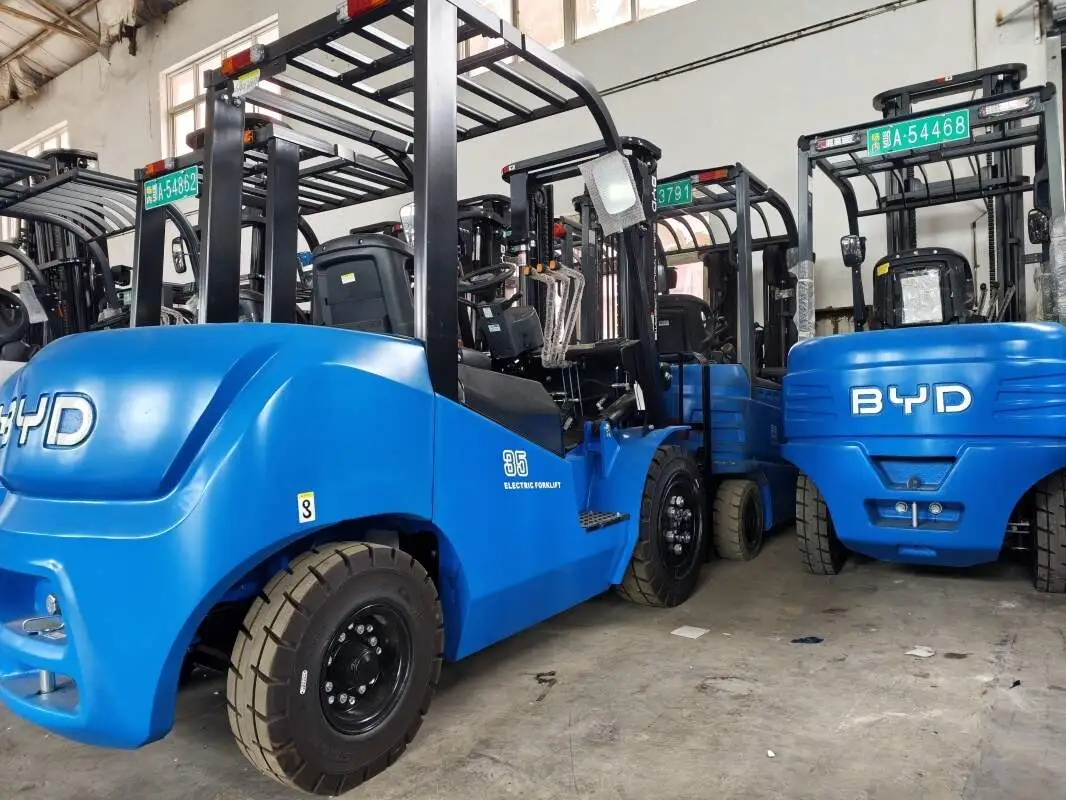
Understanding the cell chemistry powering modern forklift batteries helps industrial operators make smarter choices for daily material handling work, reducing unnecessary operation costs while extending the service life of equipment. In the early stage of electric forklift popularization, lead acid batteries were the most widely adopted power option, whose cell chemistry relies on the reaction between lead containing plates and sulfuric acid electrolyte to generate electric energy. This kind of cell technology has mature stable performance and relatively low initial procurement cost, but it has obvious limitations including low energy density, long charging time, and frequent daily maintenance requirements such as fluid replenishment and regular safety checks. With the continuous progress of new energy technology, lithium based battery cells have gradually become the mainstream power choice for modern forklifts in recent years. The most widely applied cell chemistry for forklift use at present adopts lithium iron phosphate as the core cathode material, which features excellent thermal stability, long cycle life, and no need for frequent daily maintenance. This kind of cell can support fast charging within a few hours, and can even adapt to opportunistic charging schemes during work breaks to meet the continuous operation demand of multi shift working scenarios. Different cell chemistry systems have their own unique advantages and applicable scenarios, there is no absolute best solution that fits all working conditions. Users need to evaluate their actual operation intensity, average daily working hours, ambient temperature of the working site and budget range to select the most suitable battery solution. Jianshu New Energy has focused on the research and popularization of forklift battery related cell technology for years, providing targeted technical support for different types of industrial users. BYD Forklift’s full range of electric product lines are also equipped with power batteries adopting mature and reliable cell chemistry, ensuring stable and consistent operation performance in long term heavy load handling scenarios. If you have professional questions about forklift battery cell chemistry matching or daily operation maintenance, you can send your detailed demand to 17399989919@163.com to get targeted and practical guidance from technical personnel. For the future development trend, the whole industry is still exploring more optimized cell chemistry formulas to further improve the energy density, reduce the full lifecycle cost, and promote the wider application of zero emission electric handling equipment in more industrial scenarios.


