
 English
 繁体中文
繁体中文 简体中文
简体中文 Deutsch
 日本語
日本語 한국어
한국어 Tiếng Việt
 Русский
 ไทย
ไทย Bahasa Indonesia
 Bahasa Melayu
 Filipino
 Français
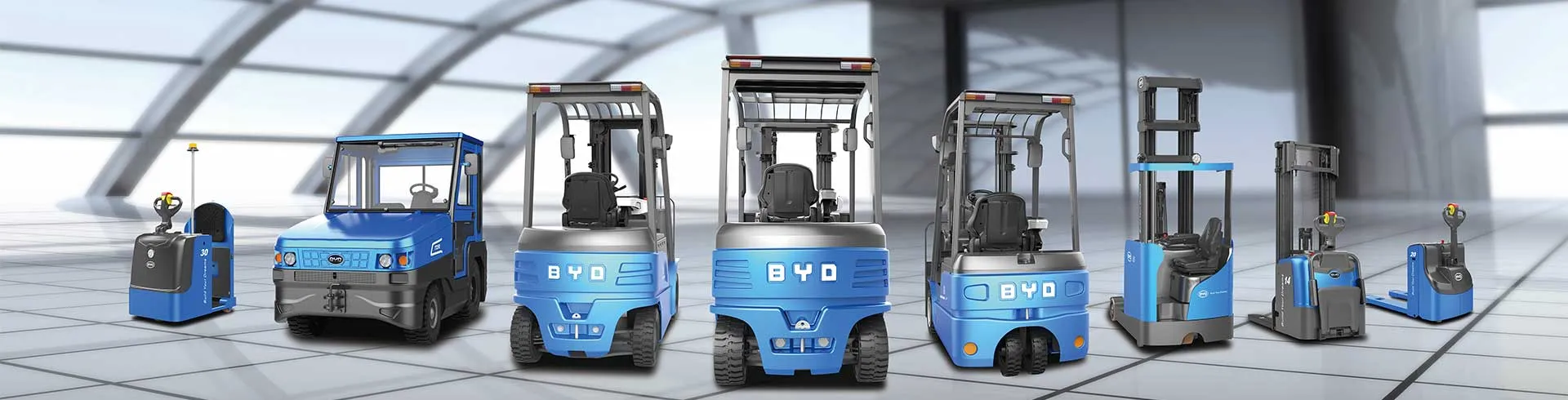
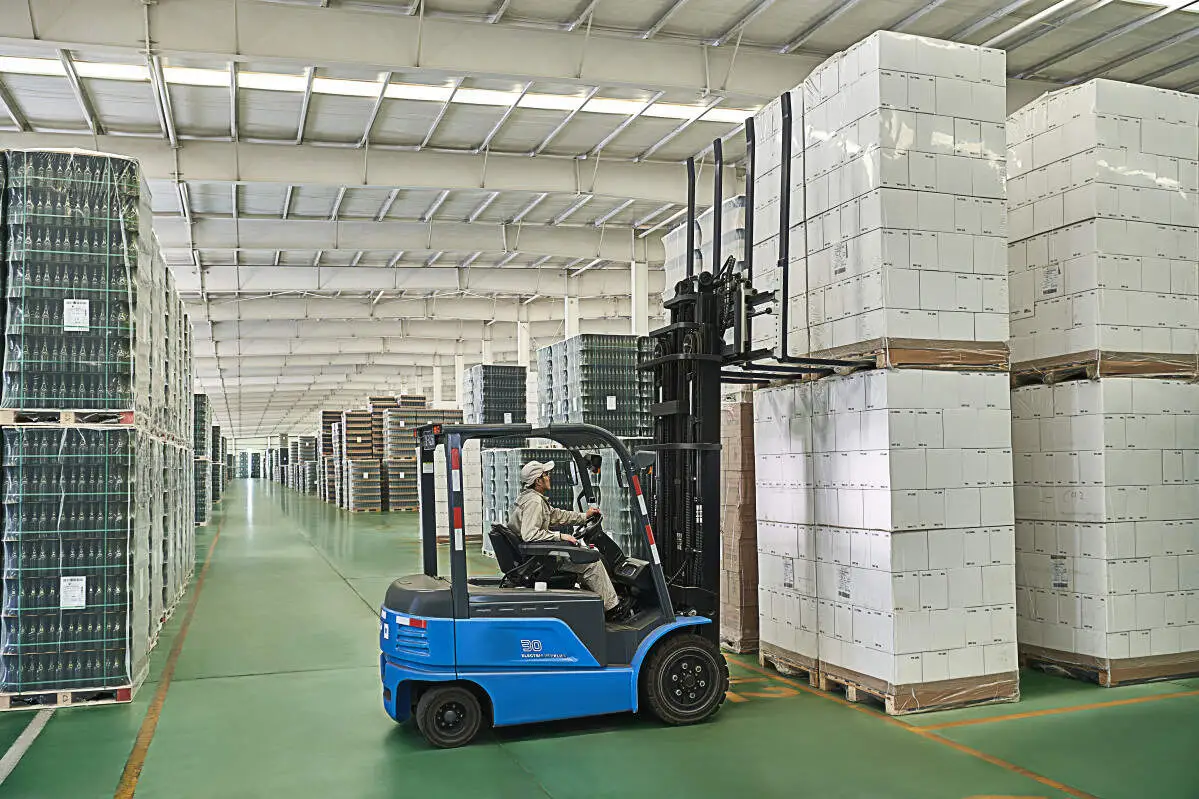
In recent years, LiFePO4 batteries have been widely used in electric forklifts due to their long cycle life, high safety performance and low self-discharge rate. Scientific and standardized battery management is the core factor to ensure the stable operation of LiFePO4 forklifts, extend battery service life and reduce overall operation costs, and there are several key points that need regular checks in daily management.
First, you need to complete necessary checks before putting the forklift into operation every day. Carefully observe the appearance of the LiFePO4 battery pack to see if there is bulging, liquid leakage or external damage, check whether the connection terminals between the battery and the forklift are loose or oxidized, and clean up the dust or debris attached to the surface of the battery pack in time to avoid blocking the heat dissipation channel. You also need to check the remaining power displayed on the battery management system, and do not start the operation when the remaining power is lower than 20% to avoid damage to the battery structure caused by over-discharge.
Second, pay attention to the real-time status check of the battery during the operation of the forklift. The normal working temperature range of LiFePO4 batteries is 0℃ to 45℃, you should always pay attention to the temperature data fed back by the battery management system during operation, if the temperature exceeds the normal range, you should stop the operation immediately and move the forklift to a cool and ventilated place to dissipate heat, do not continue to work in an over-temperature state. At the same time, you should also monitor the change of voltage and current, if there is an abnormal power drop or sudden insufficient power, you should stop the machine for inspection in time, and do not force the operation to avoid safety risks.
Third, strictly check the relevant links when charging the battery. Use a charging device that matches the LiFePO4 battery pack, choose a dry, ventilated and open charging environment away from flammable and explosive materials, and check whether the charging interface is in good contact before charging to avoid heat caused by poor contact. During the charging process, you should regularly check whether the charging interface and the battery pack are abnormally hot, and stop charging immediately for inspection if there is obvious overheating. After the battery is fully charged, cut off the power supply in time, do not keep the battery in a floating charging state for a long time, and do not charge the battery immediately when it is just after high-intensity operation and the temperature is still high.
Fourth, do a good job of regular inspection of battery management. You can calibrate the battery capacity every half a month to ensure the accuracy of the remaining power display, and check the parameter settings of the battery management system every quarter to confirm that the over-temperature, over-voltage and over-current alarm thresholds are set correctly.
For users who need professional lithium battery maintenance solutions for forklifts, you can turn to Jianshu New Energy for technical support, and you can also consult the official operation guidelines of BYD Forklift for matching forklift battery use specifications. If you have more questions about LiFePO4 forklift battery management, you can send an email to 17399989919@163.com for consultation.
Sticking to the above check points in daily battery management can effectively reduce the probability of battery failure, extend the service life of LiFePO4 batteries under the same use conditions, and effectively improve the overall operation efficiency of electric forklifts while ensuring operation safety.


