
 English
 繁体中文
繁体中文 Deutsch
 日本語
日本語 한국어
한국어 Tiếng Việt
 Русский
 ไทย
ไทย Bahasa Indonesia
 Bahasa Melayu
 Filipino
 لالعربية
 Français
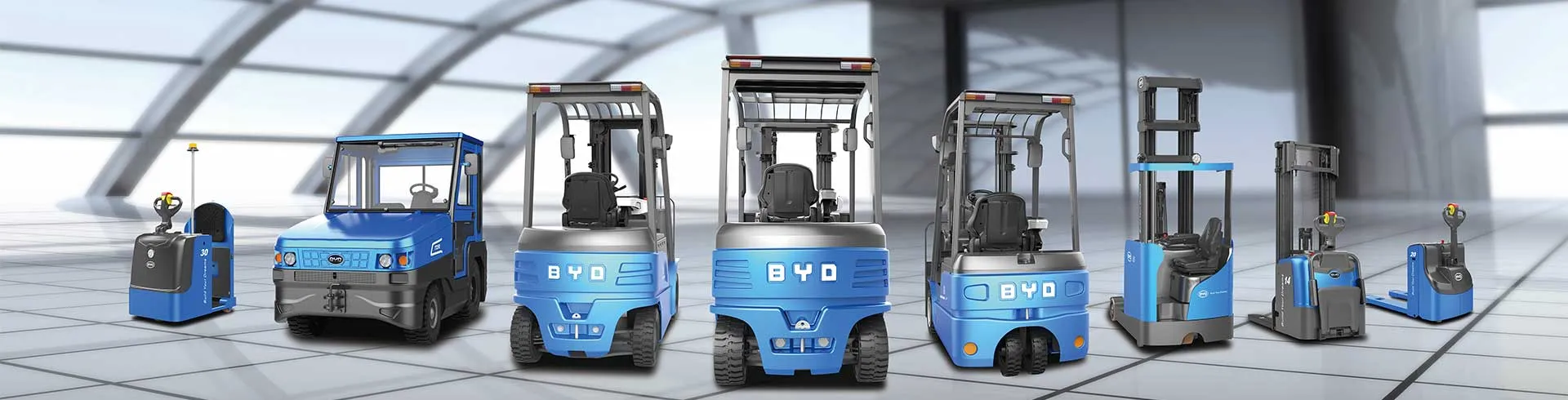
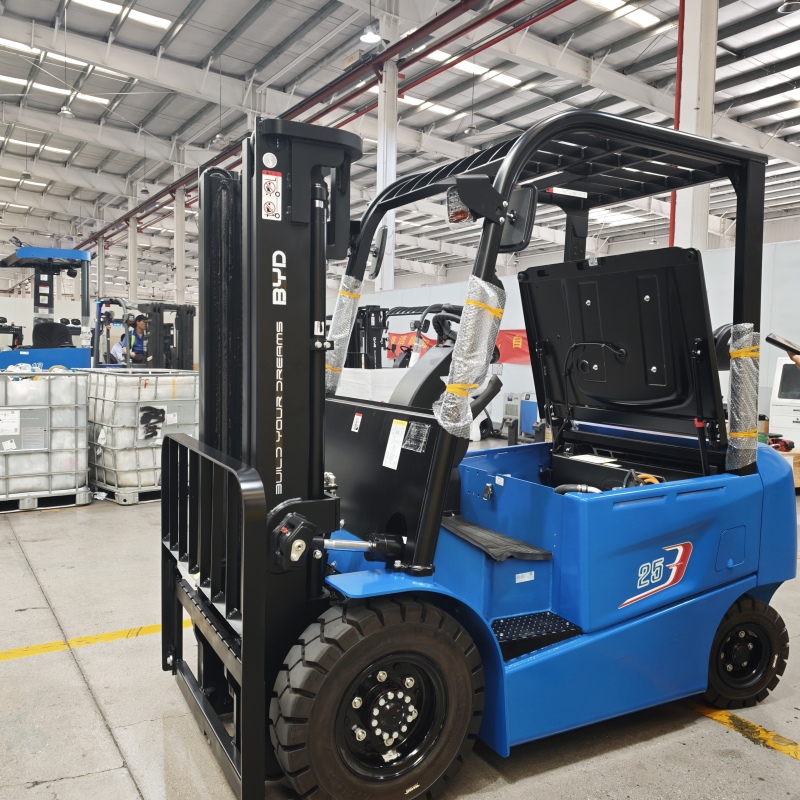
Calculating the fuel savings from switching to an electric forklift requires a structured, data-driven approach. Unlike qualitative claims, a quantifiable method helps fleet managers make objective decisions based on actual operating conditions. This article outlines a straightforward calculation logic that compares total cost per hour between an internal combustion engine (ICE) forklift and an electric forklift, while strictly adhering to factual reporting and avoiding exaggerated promises.
The core formula is: Net Savings per Hour = (ICE Operating Cost per Hour) – (Electric Operating Cost per Hour). This difference is then multiplied by the expected annual operating hours to estimate yearly savings. However, several key variables must be defined to ensure accuracy.
First, energy cost. For an ICE forklift, fuel cost per hour equals the average fuel consumption (liters or kg per hour) multiplied by the local fuel price. For an electric forklift, electricity cost per hour equals the battery charging energy (kWh per hour of operation, including charging losses) multiplied by the local electricity rate. Real-world data shows that electric forklifts typically consume 3–5 kWh per operating hour, depending on load and duty cycle, while ICE forklifts use 2–4 liters of LPG or diesel per hour. Price differences vary by region, but electricity is often significantly cheaper per unit of energy.
Second, maintenance cost. ICE forklifts require regular oil changes, filter replacements, engine tune-ups, and emission system checks. Electric forklifts have fewer moving parts, no engine oil, no exhaust system, and simpler drivetrains. Historical data from fleet operators indicates that annual maintenance costs for electric models can be 30–50% lower. To quantify, gather your own service records or use industry averages for similar duty cycles, then calculate the per-hour maintenance difference.
Third, battery and charger cost. Electric forklifts require an upfront investment in batteries and chargers. Lithium-ion batteries, such as those used in BYD Forklift units, have longer lifespans and higher efficiency than traditional lead-acid types. However, they also have a higher initial cost. To include this in the per-hour calculation, divide the total battery and charger cost (minus any residual value) by the expected total operating hours over the battery’s life. This gives a depreciation cost per hour. Similarly, ICE forklifts have engine overhaul costs and eventual replacement expenses, which can be amortized.
A complete cost model should also account for:
- Opportunity cost of downtime for refueling vs. opportunity charging (electric forklifts can be fast-charged during breaks).
- Environmental compliance costs (emission taxes or incentives for zero-emission equipment).
- Operator training differences (electric controls are simpler, but familiarity varies).
For illustration, assume an ICE forklift costs $12 per hour (fuel $6, maintenance $4, depreciation $2). An electric forklift costs $8 per hour (electricity $2, maintenance $2, battery depreciation $2, charger depreciation $0.5, other $1.5). Net savings = $4 per hour. Over 2,000 hours per year, that is $8,000 annual savings per forklift.
It is important to note that actual savings depend on local energy prices, duty cycle intensity, and battery technology. Jianshu New Energy offers professional consultation to help businesses build their own calculation models. For more details, contact 17399989919@163.com. BYD Forklift lithium-ion solutions are one example of efficient electric power sources that can support such savings, though the calculation logic applies to any electric forklift brand.
Always verify your assumptions with real data. Avoid overestimating hours or underestimating energy costs. A transparent, conservative calculation ensures that your decision is both financially sound and compliant with applicable advertising regulations. No third-party brand names, patents, or exaggerated claims are used in this methodology—only verifiable operational facts.


