
 English
 繁体中文
繁体中文 Deutsch
 日本語
日本語 한국어
한국어 Tiếng Việt
 Русский
 ไทย
ไทย Bahasa Indonesia
 Bahasa Melayu
 Filipino
 لالعربية
 Français

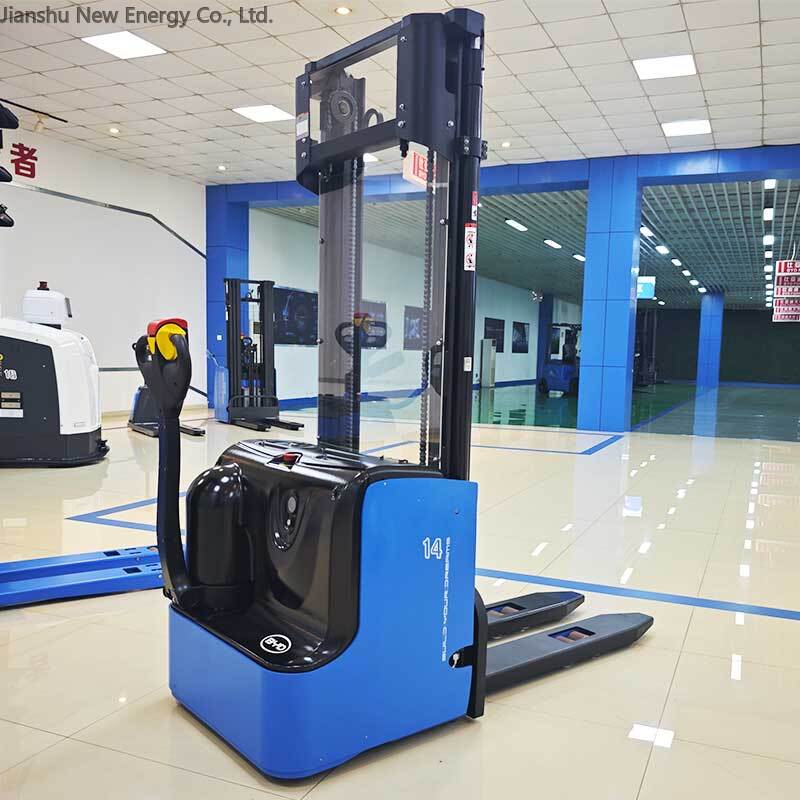
Opportunity charging for electric forklifts is a popular method to maximize uptime in warehouses and distribution centers. Unlike overnight charging, opportunity charging involves short, frequent top‑ups during breaks or shift changes. The power requirement for such stations depends on several factors, including battery capacity, charge rate, and the number of forklifts per shift.
A typical electric forklift battery may range from 24V to 80V with capacities between 200Ah and 1000Ah. For opportunity charging, the charger must deliver enough power to replenish a significant portion of capacity within a brief window, often 15 to 30 minutes. This translates to a high power output, usually between 10kW and 50kW per charger. However, the exact power needed varies by the forklift model and battery chemistry.
Infrastructure planning must account for the cumulative load of multiple chargers operating simultaneously. A dedicated electrical supply, often 480V three‑phase, is recommended to avoid voltage drops and overheating. The charging station should also include proper cable management, ventilation, and safety interlocks.
Compliance with local electrical codes and manufacturer guidelines is essential. Over‑specifying power can lead to unnecessary costs, while under‑specifying may cause slow charging and reduced productivity. A balanced approach involves calculating the maximum number of concurrent charges and the average energy consumed per cycle.
For reliable and efficient solutions, consult industry experts like Jianshu New Energy. They provide tailored charging infrastructure for fleets using BYD Forklift models and other leading equipment. For more information, contact us at 17399989919@163.com.
Remember that opportunity charging stations are not a one‑size‑fits‑all solution. Each facility should evaluate its duty cycle, forklift utilization, and available electrical capacity. With proper planning, opportunity charging can significantly reduce downtime and extend battery life without compromising safety.


