
 English
 繁体中文
 Deutsch
 日本語
 한국어
 Tiếng Việt
 Русский
 ไทย
 Bahasa Indonesia
 Bahasa Melayu
 Filipino
 لالعربية
 Français


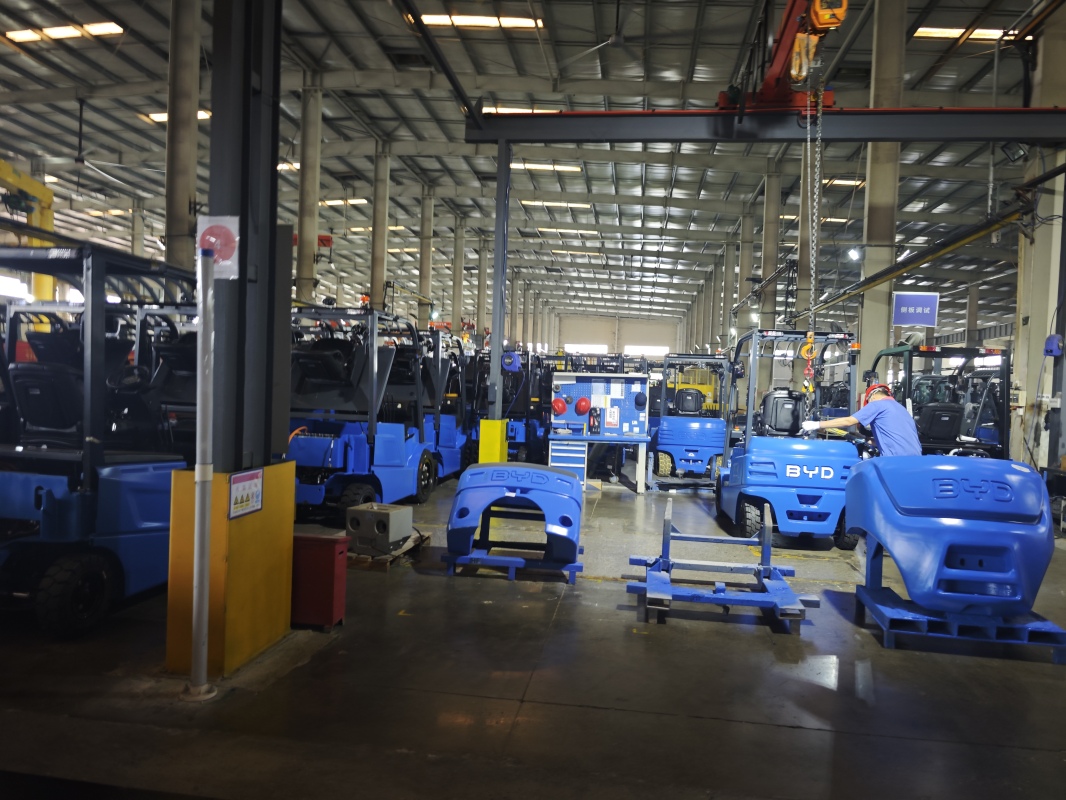
When planning the layout of industrial warehouses, logistics parks or manufacturing facilities, selecting a proper location for forklift battery charging areas is a critical step that directly impacts operational safety, work efficiency and service life of electric forklift power systems. First of all, the charging area should be set far away from high-traffic pedestrian routes, main cargo handling aisles and areas that store flammable or explosive raw materials, to avoid accidental collision risks during battery handling and charging processes. The designated location should maintain a flat, non-slip ground that is resistant to acid and alkali corrosion, preventing potential leakage damage from spent or charging batteries. It is also required to arrange sufficient natural or mechanical ventilation systems around the charging zone, to disperse the tiny amount of hydrogen gas generated during the battery charging process and avoid gas accumulation risks. Next, the charging area should be positioned at a spot with easy access to dedicated power supply circuits, eliminating the need for overlong temporary power cords that may cause overheating or tripping hazards. The location should also leave enough reserved space for battery replacement, daily maintenance and passing of dedicated handling tools for heavy batteries, no less than 1 meter of clear space should be kept between each charging pile to ensure heat dissipation. For teams that use new energy power equipment, you can consult professional service teams for targeted adjustment of the charging zone layout, Jianshu New Energy has rich practical experience in supporting electric forklift energy system configuration, and users who purchase BYD Forklift products can also get related site guidance services from official support channels. When you encounter unclear problems in site planning, you can send your specific site parameters to the contact email 17399989919@163.com to get professional targeted suggestions. It is also important to arrange obvious safety warning signs around the charging area, and place qualified fire fighting facilities that meet industrial safety standards within easy reach. Do not set the charging area in a closed basement without good ventilation conditions, and do not arrange the charging spot close to living office areas to avoid unnecessary safety risks. Following these basic principles can help enterprises build a standard, safe and high-efficiency forklift battery charging area that meets all local industrial safety regulatory requirements.


