
 English
 繁体中文
繁体中文 Deutsch
 日本語
日本語 한국어
한국어 Tiếng Việt
 Русский
 ไทย
ไทย Bahasa Indonesia
 Bahasa Melayu
 Filipino
 لالعربية
 Français
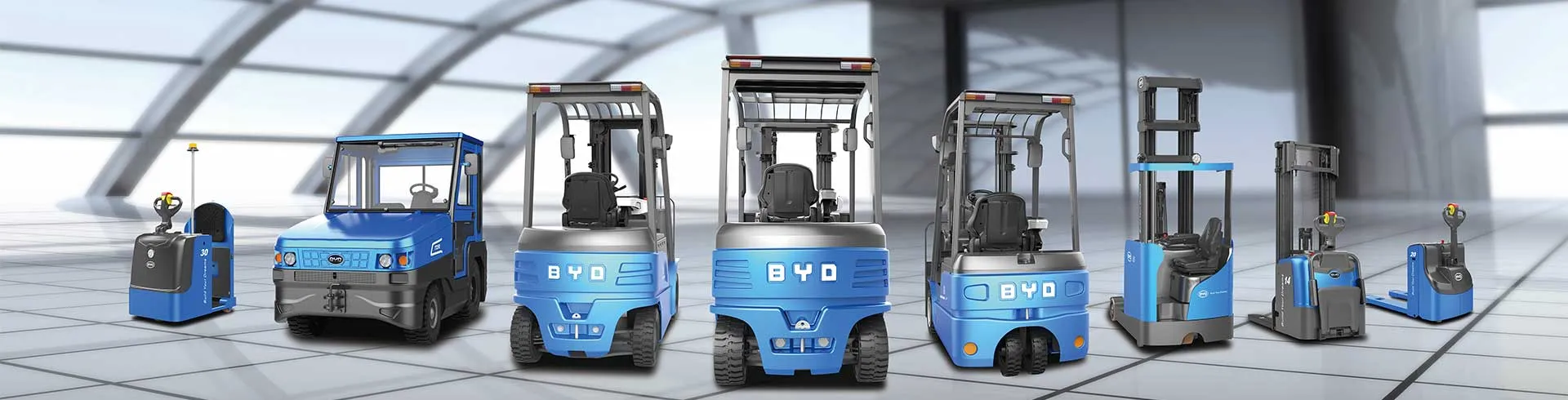
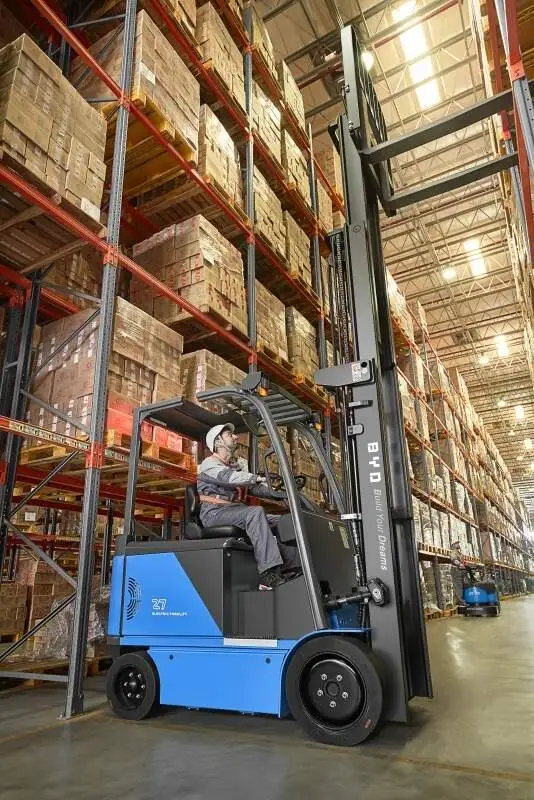
Opportunity charging is a practical method for electric forklifts, allowing batteries to be recharged during short breaks in the work cycle rather than requiring a full dedicated charging session. This mode enhances productivity by minimizing downtime while maintaining battery health when properly managed.
The core working principle relies on a smart battery management system that monitors voltage, temperature, and state of charge. When the forklift is idle for even a few minutes—such as during shift changes, lunch breaks, or loading/unloading pauses—the charger automatically connects and delivers a partial charge. The charging current is controlled to stay within safe limits, typically between 0.1C and 0.3C, to avoid overheating or excessive gassing.
Modern lithium-ion batteries, such as those used in BYD Forklift models, are particularly suited for opportunity charging because they tolerate high-frequency partial charges without memory effect. The charger communicates with the battery’s internal controller to adjust the voltage and current profile, ensuring that each charge cycle remains within the optimal voltage window. This prevents overcharging, which can degrade battery life, and undercharging, which can lead to sulfation in lead-acid batteries.
A key technical aspect is the multi-stage charging algorithm. First, a constant current phase brings the battery to a target voltage. Then, a constant voltage phase reduces current as the battery approaches full charge. For opportunity charging, the algorithm often stops at around 80% or 90% state of charge to preserve cycle life, because the final top-up phase is the most stressful. The battery management system also balances individual cells during each opportunity charge, extending overall pack longevity.
Operators benefit from the flexibility of opportunity charging because it eliminates the need for dedicated charging rooms or long downtime. However, the system must be designed with proper ventilation, temperature monitoring, and safety interlocks to prevent thermal runaway. Jianshu New Energy recommends implementing a centralized charging schedule that aligns with natural breaks, supported by a cloud-based monitoring platform for real-time data analysis.
To ensure compliance with industry standards, all opportunity charging equipment should meet relevant safety certifications. The charging connectors must be rated for frequent plugging cycles, and the cables should be protected against mechanical damage. For more information on integrating opportunity charging into your fleet, contact our team at 17399989919@163.com.


