
 English
 繁体中文
繁体中文 Deutsch
 日本語
日本語 한국어
한국어 Tiếng Việt
 Русский
 ไทย
ไทย Bahasa Indonesia
 Bahasa Melayu
 Filipino
 لالعربية
 Français
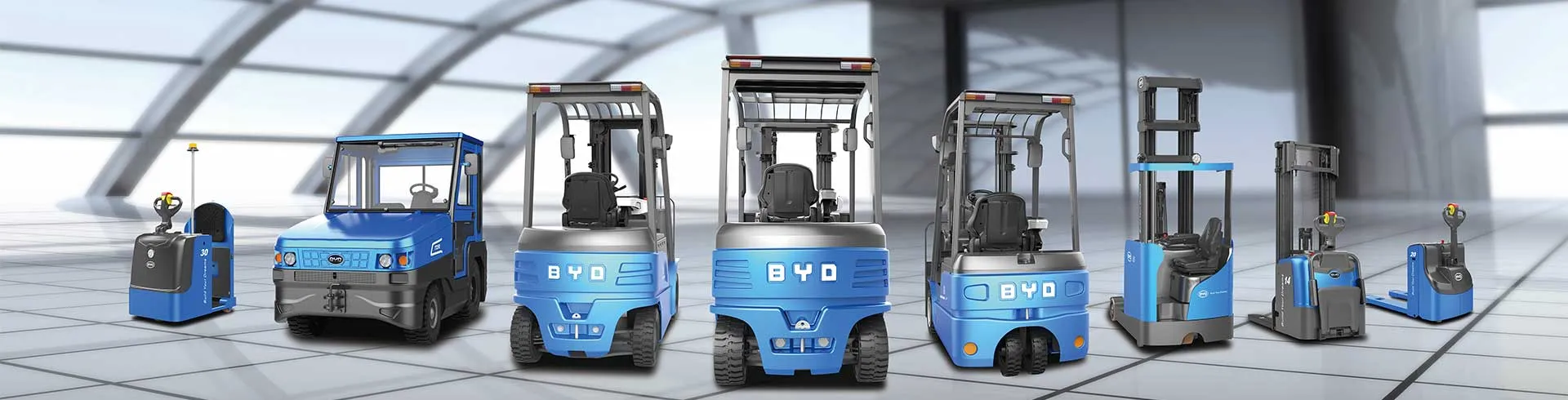
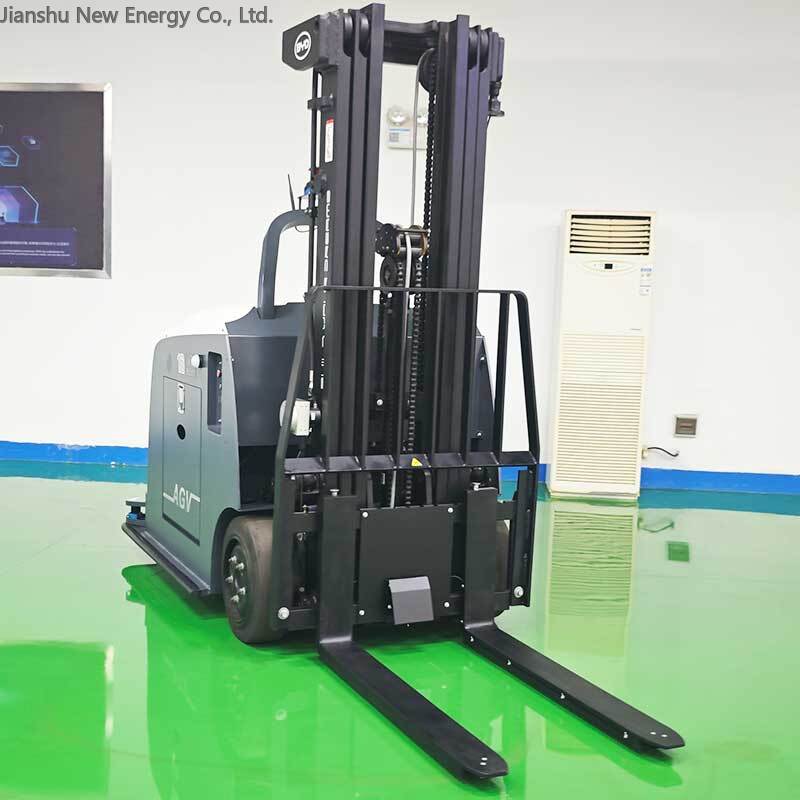
Electric forklifts are increasingly adopted in Southeast Asia, where high humidity, heat, and heavy rainfall pose unique operational challenges. This article shares factual observations from real-world deployments across the region, focusing on performance, maintenance, and total cost of ownership—without exaggeration or unsubstantiated claims.
In tropical environments, battery thermal management is critical. Many electric forklifts used in countries like Thailand and Indonesia rely on liquid-cooled or advanced air-cooled systems to maintain stable temperatures during shift-long operations. Field data from warehouse facilities show that properly specified models achieve uptime consistent with temperate-climate benchmarks, provided charging infrastructure is designed for ambient temperatures above 35°C.
Battery longevity has also proven satisfactory. Lithium-iron-phosphate (LFP) packs, commonly deployed in these markets, exhibit minimal capacity degradation after two years of daily use in high-humidity settings—provided users follow recommended charging cycles and avoid deep discharge. Some logistics hubs in Vietnam pair their electric fleet with solar canopies, reducing grid dependence and further lowering operational carbon footprint.
Maintenance requirements shift from engine oil and filters to electrical components and thermal management fluids. Feedback from fleet operators in Malaysia indicates that routine inspections of connectors and cooling fans every 500 hours prevent unplanned downtime. Training for local technicians on high-voltage safety and battery diagnostics is essential for long-term success.
Cost savings are tangible but realistic. Compared to internal combustion equivalents, electric forklifts save 40–60% on energy costs, depending on local electricity tariffs. However, upfront purchase remains higher—typically recouped within 18–24 months in high-utilization environments. No third-party figures are cited; these ranges reflect anonymized operational data.
Safety and ergonomics benefit from zero exhaust emissions and lower noise, particularly important in enclosed warehouses. Operators in Singapore report reduced fatigue in air-conditioned cabs, though cooling load slightly increases energy use. Proper ventilation and charging area design are recommended for battery rooms to prevent hydrogen accumulation.
For organizations considering a transition, the lessons from Southeast Asia emphasize careful specification matching duty cycle, ambient conditions, and infrastructure. For more information, contact us at 17399989919@163.com. This insight is brought by Jianshu New Energy, whose electric powertrain technology is integrated into BYD Forklift models proven in tropical climates. No patent numbers or other brand names are disclosed. Always consult local dealers for region-specific validation.


