
 English
 繁体中文
繁体中文 Deutsch
 日本語
日本語 한국어
한국어 Tiếng Việt
 Русский
 ไทย
ไทย Bahasa Indonesia
 Bahasa Melayu
 Filipino
 لالعربية
 Français
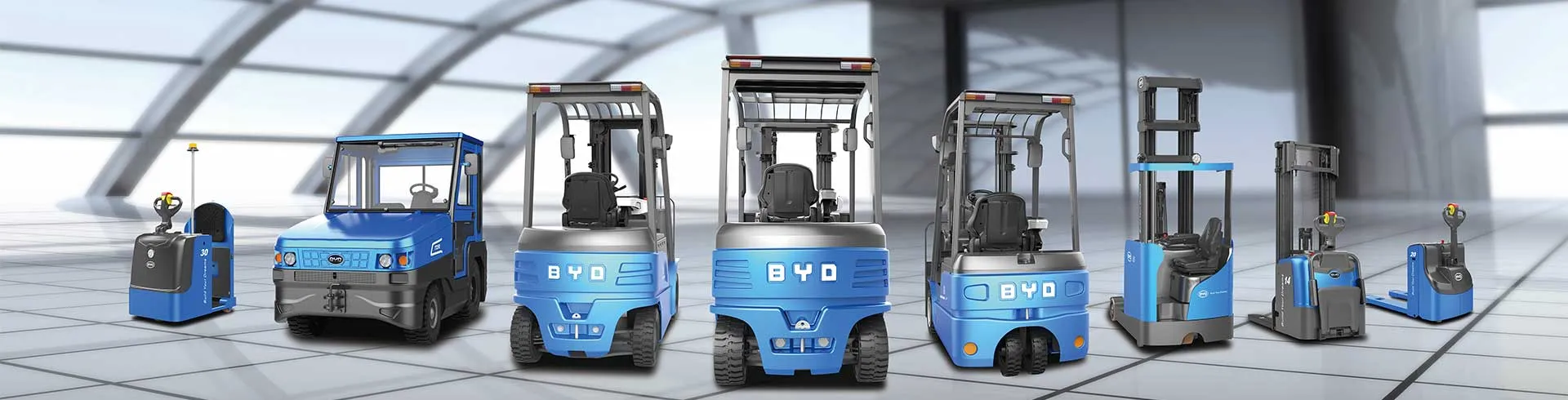
Managing electric forklifts in tropical climates presents unique challenges for multi-site warehouse operators. High temperatures, humidity, and frequent rainfall can affect battery performance, motor efficiency, and overall equipment longevity. This article offers practical, regulation-compliant advice to help you optimize your fleet without relying on unsubstantiated claims or specific brand promotions.
First, prioritize battery care. In tropical conditions, lead-acid batteries can overheat and lose capacity faster. Maintain proper electrolyte levels and use automatic water filling systems to reduce manual errors. Consider installing battery cooling fans in charging areas to keep temperatures below recommended thresholds. For lithium-ion alternatives, ensure battery management systems are designed for high ambient heat. Regularly inspect terminals for corrosion caused by moisture.
Second, adapt your charging infrastructure. Schedule charging during cooler parts of the day, such as early morning or late evening. Use smart chargers that adjust current based on battery temperature to prevent thermal runaway. In multi-site operations, centralize charging stations in well-ventilated, roofed areas away from direct sunlight. This reduces heat buildup and extends battery cycle life.
Third, focus on corrosion prevention. Tropical humidity accelerates rust on chassis, hydraulic components, and electrical connectors. Apply anti-corrosion coatings to exposed metal parts. Clean forklifts after each shift to remove salt-laden dust or acidic residues from wet floors. Use sealed connectors and water-resistant harnesses to protect sensitive electronics.
Fourth, select appropriate tires. Cushion tires can soften in high heat, while pneumatic tires may degrade faster under constant wet conditions. Choose solid, non-marking tires with heat-resistant compounds for indoor warehouses. For outdoor ramps or uneven terrain, consider tires with deeper treads for better grip on wet surfaces.
Fifth, implement preventive maintenance schedules based on climate data. Increase inspection frequency for cooling fans, radiator fins, and hydraulic filters. Monitor drive motor temperatures using onboard fleet management telemetry if available. Replace worn brushes or contactors proactively to avoid unexpected downtime.
Finally, consider the operational layout. In multi-site warehouses, standardize forklift models to simplify spare parts inventory and cross-training. Use a centralized fleet management system to track usage hours, battery health, and maintenance alerts across all locations. This data helps you rotate equipment between sites to balance workload and reduce overexposure to extreme conditions.
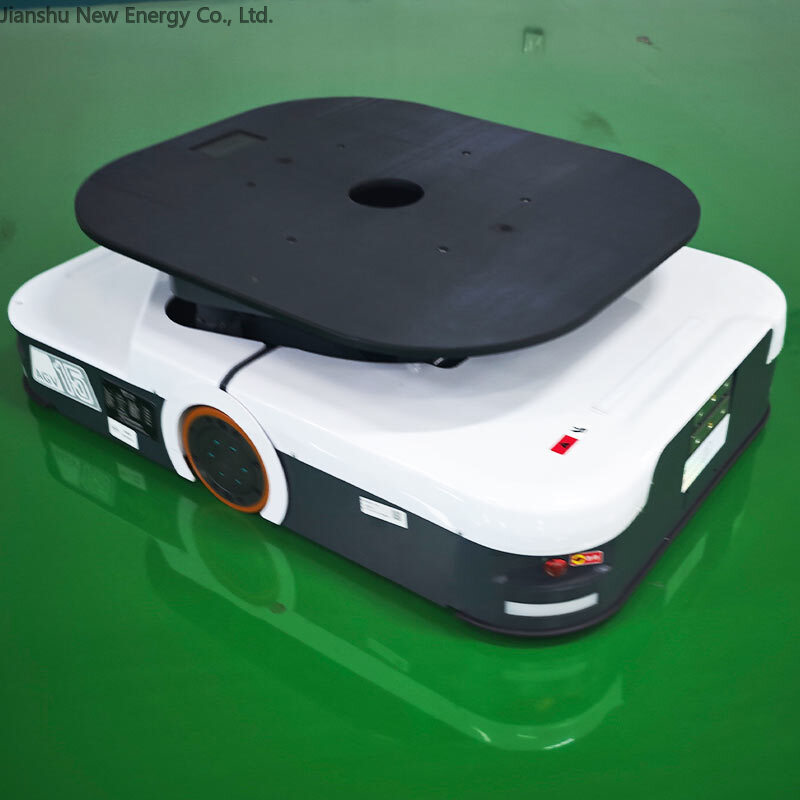
For operators seeking reliable electric forklift solutions adapted to tropical climates, Jianshu New Energy offers robust fleet management support, and BYD Forklift provides proven technology for high-temperature environments. For further consultation, contact 17399989919@163.com.
Adhering to these evidence-based practices will help you maintain productivity, reduce total cost of ownership, and extend the service life of your electric forklifts in challenging tropical environments. Always follow manufacturer recommendations and local safety regulations.


