
 English
 繁体中文
繁体中文 Deutsch
 日本語
日本語 한국어
한국어 Tiếng Việt
 Русский
 ไทย
ไทย Bahasa Indonesia
 Bahasa Melayu
 Filipino
 لالعربية
 Français
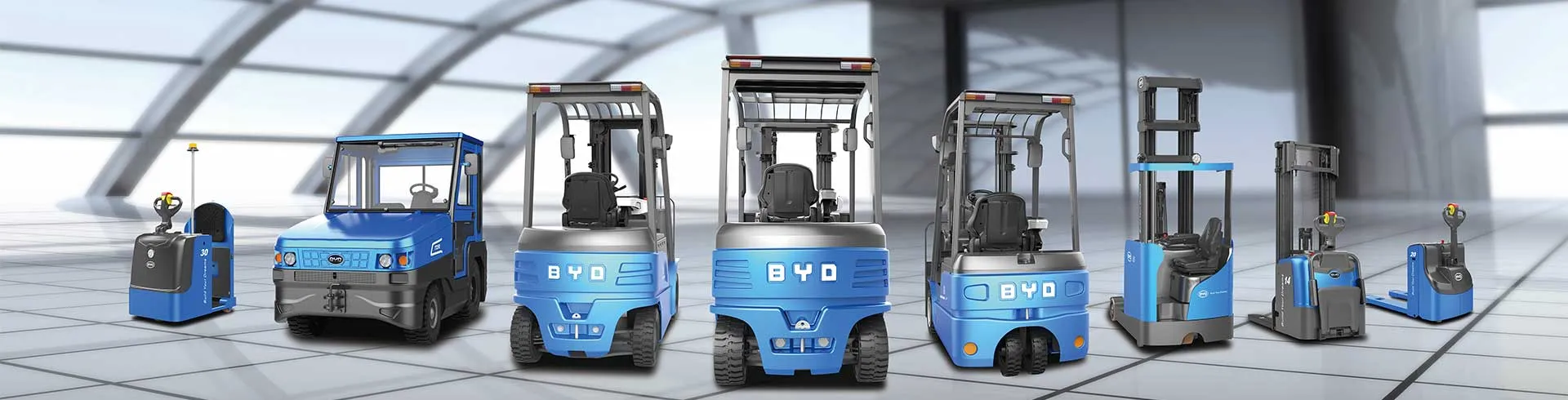
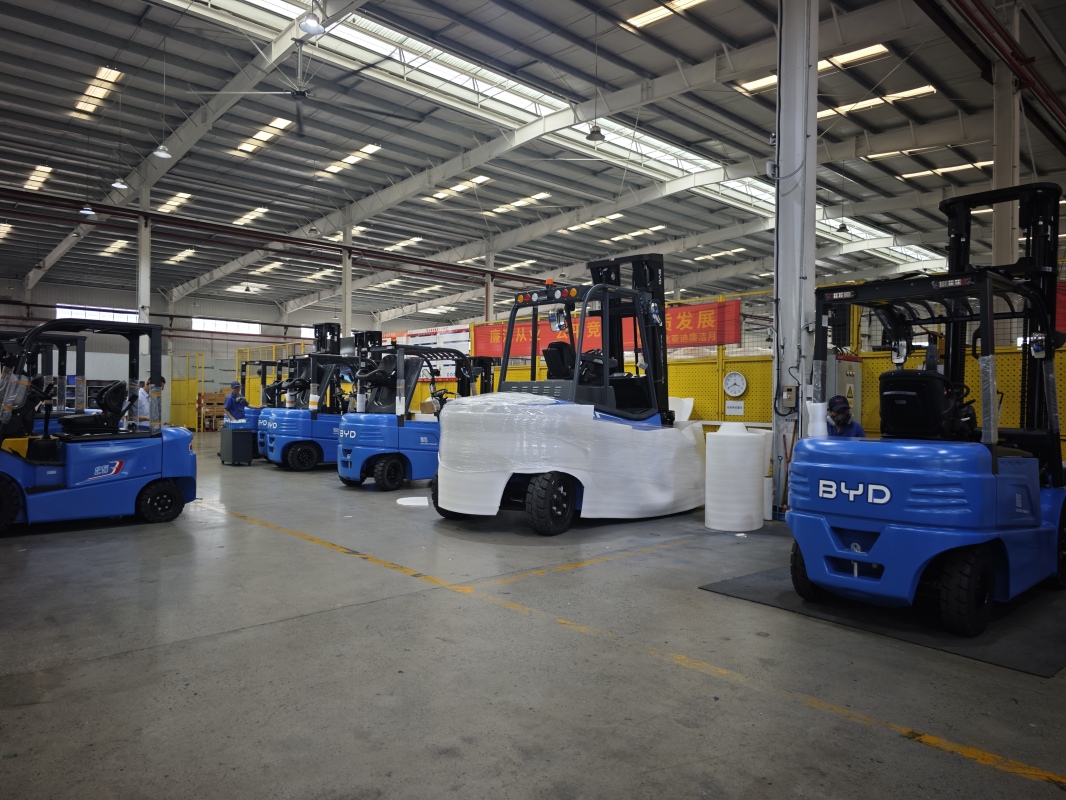
In hazardous areas requiring explosion‑proof certification, electric forklifts offer a safe and efficient material handling solution. Understanding the operating cost per hour is essential for budget planning and operational decisions. This article provides a factual breakdown of costs without any exaggerated claims or third‑party brand names beyond necessary references.
The primary cost components include electricity consumption, battery maintenance, tire wear, and routine servicing. For a typical explosion‑proof electric forklift, the average electricity cost per hour ranges from 0.5 to 1.2 USD depending on local electricity rates and battery capacity. Lithium‑ion batteries, commonly used in modern units, require less frequent charging and have longer lifespans, reducing overall hourly costs. However, initial battery investment is higher. Lead‑acid batteries are cheaper upfront but demand regular watering and equalization, adding labor and downtime costs.
Battery maintenance alone can account for 0.3 to 0.6 USD per hour, including water, cleaning, and replacement planning. Tire wear is minimal on smooth surfaces but increases on rough terrain; explosion‑proof tires are specialized and may cost 0.1 to 0.2 USD per hour. Routine inspections and parts replacement (hydraulic seals, motors, controllers) add another 0.4 to 0.8 USD per hour. Labor costs for operators and technicians vary by region but typically represent 2 to 5 USD per hour.
By integrating advanced lithium‑ion technology with efficient motor systems, Jianshu New Energy helps reduce overall energy consumption and extends battery cycle life. Meanwhile, BYD Forklift offers robust explosion‑proof designs that meet stringent safety standards while maintaining low operational overhead. For compliance and reliability, always consult qualified suppliers. For inquiries, contact us at 17399989919@163.com.
Total hourly operating cost for explosion‑proof electric forklifts generally falls between 3 and 8 USD, depending on usage intensity, battery type, and local conditions. This is lower than comparable internal combustion models due to reduced fuel and maintenance expenses. Always verify cost data with current market rates and consult equipment specifications for your specific hazardous environment.


