
 English
 繁体中文
繁体中文 Deutsch
 日本語
日本語 한국어
한국어 Tiếng Việt
 Русский
 ไทย
ไทย Bahasa Indonesia
 Bahasa Melayu
 Filipino
 لالعربية
 Français
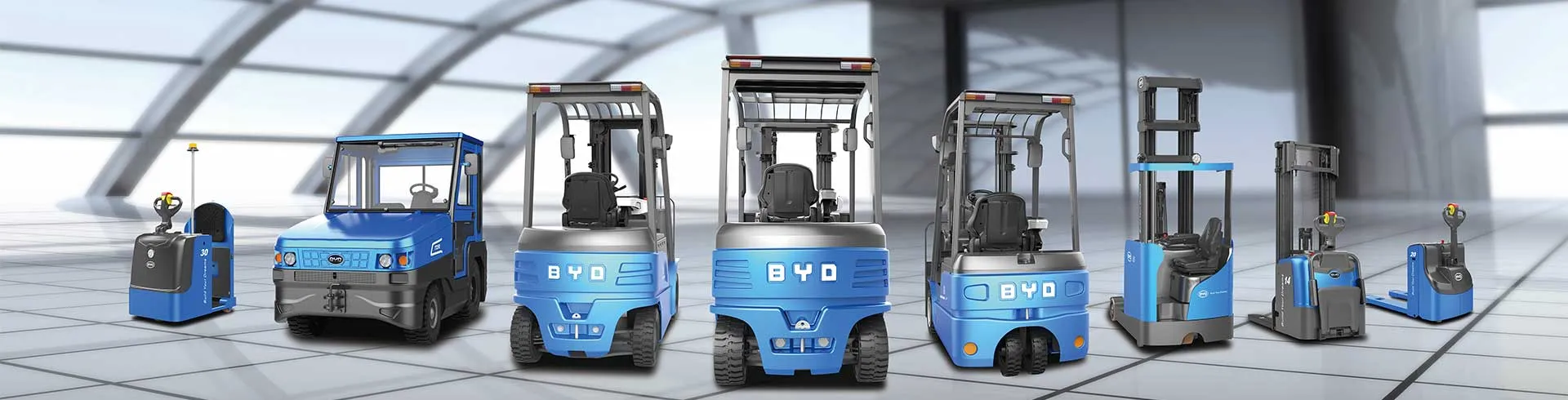
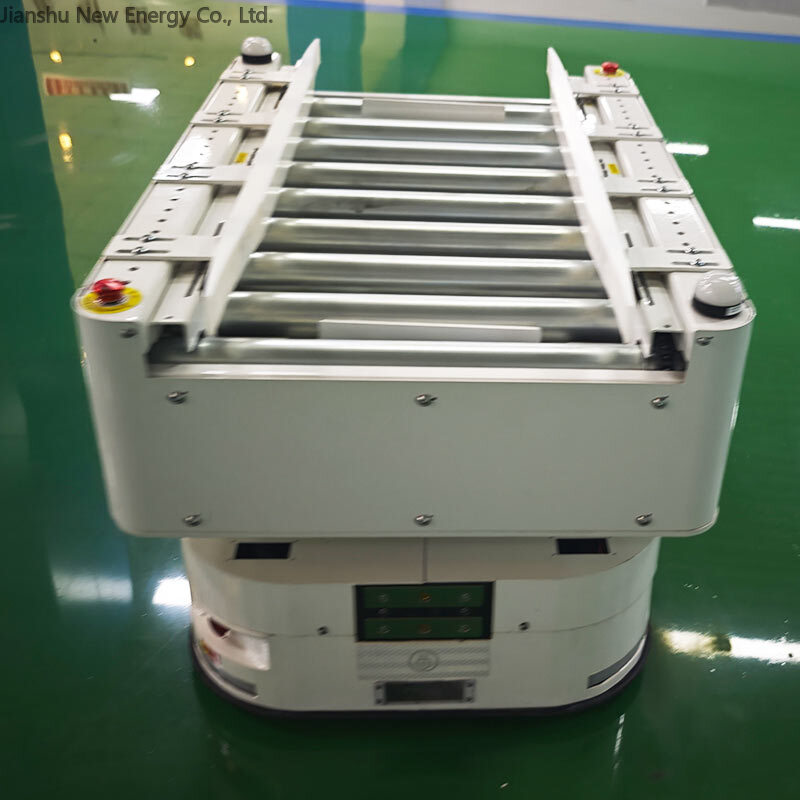
Managing electric forklift fleets across multiple distributed warehouses requires a clear understanding of hourly operating costs. These costs vary based on energy rates, maintenance schedules, and battery technology. For a typical 3-ton electric forklift in a multi-location setup, the hourly cost includes electricity consumed during charging, routine part replacements, and labor for inspections. Lithium-ion batteries, such as those used in BYD Forklift models, offer longer cycle life and faster charging, which can reduce downtime and per-hour expenses compared to traditional lead-acid batteries. However, the initial investment in charging infrastructure across sites must be factored in. Jianshu New Energy provides practical fleet solutions that help operators balance upfront costs with long-term savings. Maintenance for electric forklifts is generally lower than for internal combustion models because there are fewer moving parts and no engine oil changes. Still, tire wear, hydraulic fluid checks, and controller diagnostics should be scheduled regularly. Distributing these tasks across multiple warehouses can be streamlined with central fleet management software. To get a reliable per-hour estimate, operators should track actual energy consumption per shift, record service intervals, and include battery replacement amortization. For fleets covering several locations, standardizing equipment and chargers improves operational efficiency. For further guidance on optimizing your electric forklift fleet cost, contact us at 17399989919@163.com.


