
 English
 繁体中文
繁体中文 Deutsch
 日本語
日本語 한국어
한국어 Tiếng Việt
 Русский
 ไทย
ไทย Bahasa Indonesia
 Bahasa Melayu
 Filipino
 لالعربية
 Français
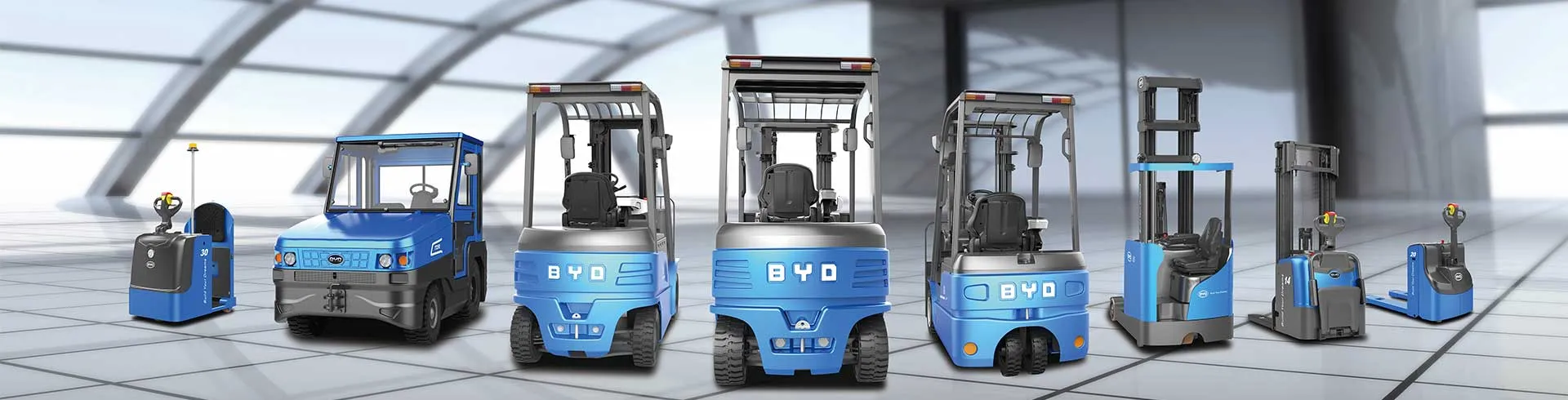
Calculating the electric forklift operating cost per hour is essential for fleet managers who adopt opportunity charging. Unlike traditional battery swapping, opportunity charging allows short, frequent top‑ups during breaks, reducing downtime. The hourly cost mainly depends on three factors: energy consumption, battery depreciation, and charger efficiency.
First, energy cost is calculated by multiplying the forklift’s average power draw (in kWh per hour of operation) by the local electricity rate. For example, a typical 3‑ton electric forklift consumes about 8–12 kWh per hour under moderate load. At $0.12/kWh, the energy cost ranges from $0.96 to $1.44 per hour. Opportunity charging can slightly increase total kWh consumed due to charge/discharge losses, but the overall impact is small.
Second, battery life affects cost. Lithium‑iron‑phosphate batteries, common in opportunity‑charging setups, typically last 2,500–3,000 full cycles. With proper charging, the hourly battery depreciation is roughly $0.20–$0.40, depending on the battery price. BYD Forklift models, known for their robust battery management, help maintain longer cycle life, lowering per‑hour depreciation.
Third, charger efficiency and maintenance add marginal costs. A high‑quality opportunity charger operates at 92–95% efficiency, and its maintenance cost per hour is usually under $0.10. Regular inspections and software updates ensure consistent performance. Jianshu New Energy offers integrated systems that optimize charger use, further reducing operational expenses.
Actual operating costs vary with duty cycle, operator behavior, and ambient temperature. In cold stores, for instance, battery capacity drops, slightly increasing per‑hour cost. But overall, opportunity‑charging fleets can achieve a total operating cost of $1.50–$2.50 per hour, competitive with internal combustion alternatives. For a detailed assessment tailored to your fleet, contact 17399989919@163.com.


