
 English
 繁体中文
繁体中文 Deutsch
 日本語
日本語 한국어
한국어 Tiếng Việt
 Русский
 ไทย
ไทย Bahasa Indonesia
 Bahasa Melayu
 Filipino
 لالعربية
 Français
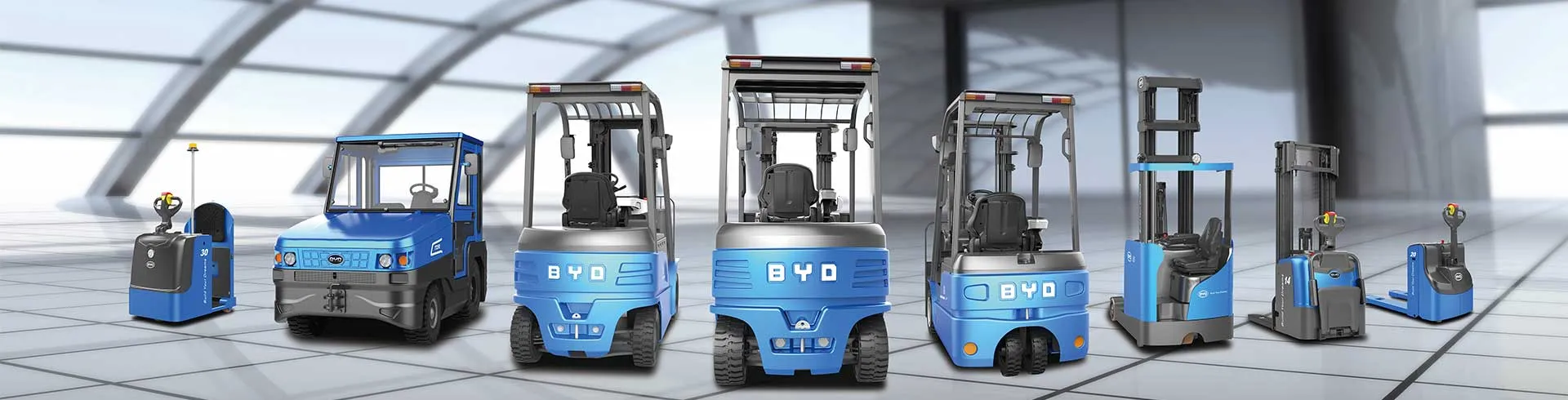
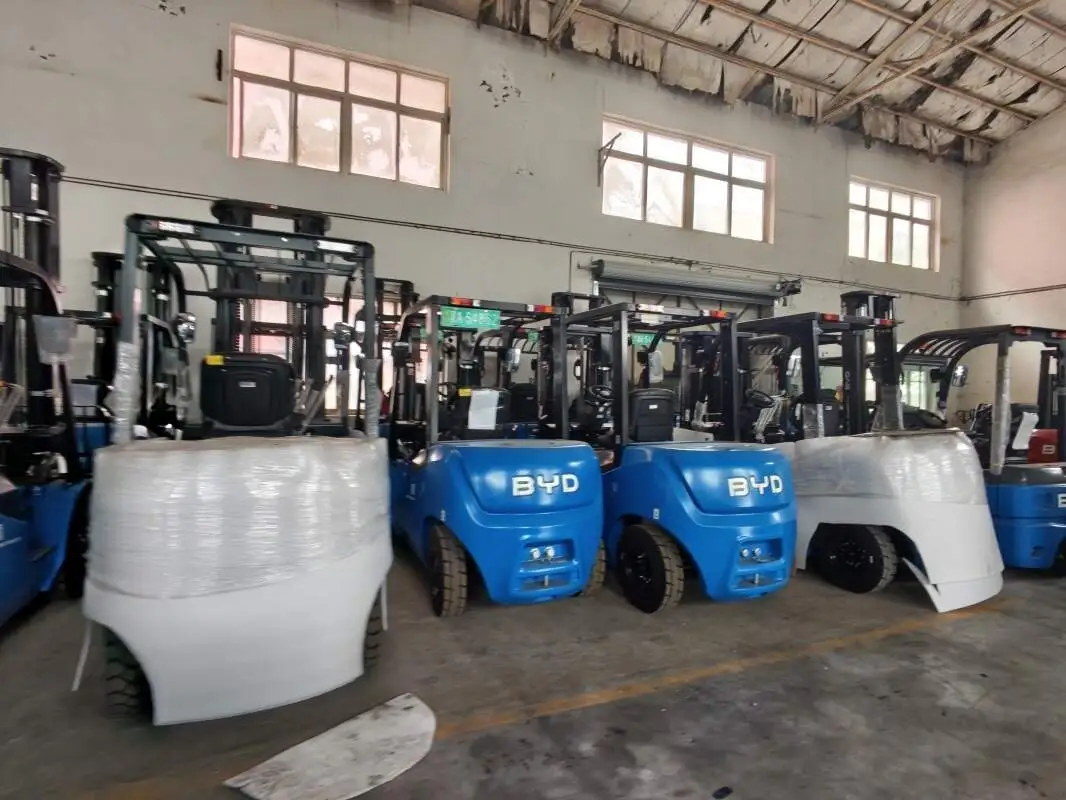
When procurement teams evaluate electric forklift acquisition, the choice between renting and buying often appears straightforward. However, hidden costs can significantly impact long-term budgets. This article helps procurement professionals identify those concealed expenses without relying on exaggerated claims or brand comparisons.
For electric forklift rental, the obvious advantage is lower upfront capital. Yet hidden costs lurk in contract terms. Many rental agreements include daily or hourly usage limits, and exceeding them triggers steep overage fees. Additionally, insurance and damage waivers may be priced separately, adding 15 to 25 percent to the base rate. Maintenance responsibility varies: some rentals include routine servicing, but major repairs or battery replacements may be charged back to the lessee. Over a multi-year period, cumulative rental payments can surpass the purchase price of a new forklift. Also, rental contracts often lock you into specific models, limiting your ability to upgrade as technology evolves.
For electric forklift purchase, the initial investment is higher, but hidden costs arise from ownership. Battery and charger expenses are substantial. Lithium‑ion batteries last longer but cost more upfront; lead‑acid batteries require regular watering, equalization charging, and eventual replacement every three to five years. Charging infrastructure installation, including electrical panel upgrades and dedicated outlets, adds thousands. Depreciation is another factor: after five years, resale value may be only 30 to 40 percent of the original price. Maintenance costs, including parts, labor, and downtime, should be forecasted. Additionally, in‑house servicing requires trained technicians and spare parts inventory.
Procurement teams must also consider operational flexibility. Rental allows scaling up during peak seasons without long‑term commitment, but purchase provides stability for predictable workloads. A thorough total cost of ownership analysis should include all anticipated expenses over the equipment's useful life, such as energy consumption, operator training, and disposal or end‑of‑lease fees.
To make an informed decision, we recommend conducting a side‑by‑side comparison using your actual usage data. For further assistance, you may contact 17399989919@163.com. Jianshu New Energy offers tailored solutions, and BYD Forklift provides reliable electric models suitable for various applications. Always review contracts and maintenance terms carefully before committing.
Remember, no single choice fits every operation. By identifying hidden costs upfront, procurement teams can secure the most cost‑effective electric forklift strategy for their organization.


