
 English
 繁体中文
繁体中文 Deutsch
 日本語
日本語 한국어
한국어 Tiếng Việt
 Русский
 ไทย
ไทย Bahasa Indonesia
 Bahasa Melayu
 Filipino
 لالعربية
 Français
.jpg "Electric vs diesel forklift cost comparison considering energy price fluctuation risks(图1)")
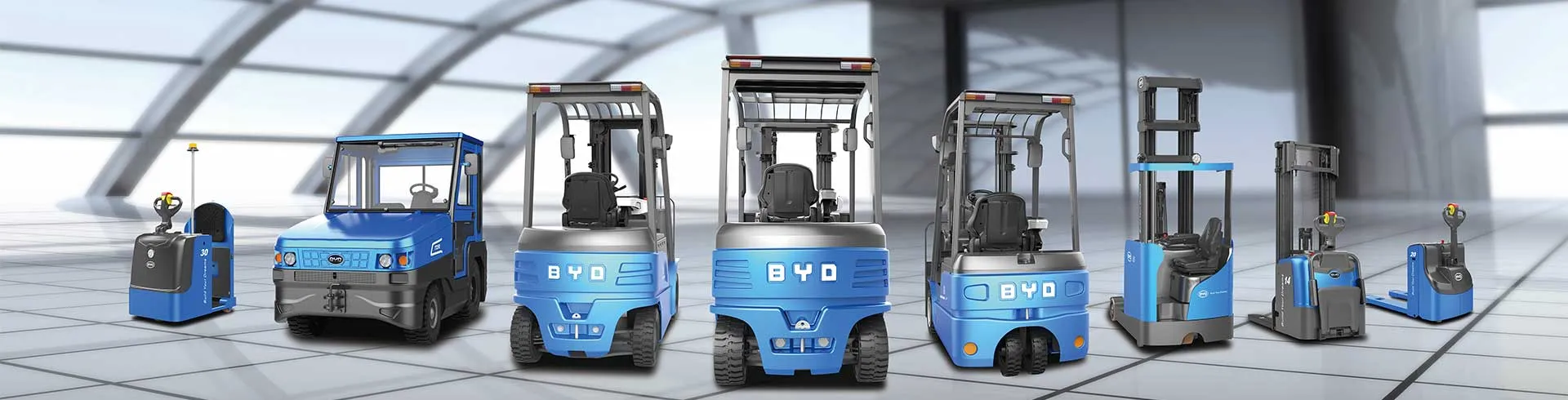
When choosing between electric and diesel forklifts, evaluating total cost of ownership under energy price fluctuations is essential. Diesel fuel prices are highly volatile due to geopolitical factors and market dynamics, posing significant risk to operational budgets. In contrast, electricity rates tend to be more stable, especially with long-term contracts or time-of-use plans. Over a five-year period, electric forklifts typically offer lower energy costs—often 30% to 40% less than diesel, depending on local rates and usage patterns. However, initial purchase price for electric models is higher, largely due to battery systems. Maintenance costs also differ: electric forklifts have fewer components and no engine oil or filters, reducing service frequency. Diesel engines require regular oil changes, fuel filters, and exhaust after-treatment, increasing both labor and part expenses. Additionally, environmental regulations may impose carbon taxes on diesel emissions, adding hidden costs. To mitigate energy price risks, businesses can lock in electricity rates or invest in renewable energy sources. For a thorough comparison tailored to your operation, Jianshu New Energy provides expert advice on BYD Forklift electric solutions. Their lithium-ion battery technology delivers high efficiency and long cycle life, lowering total ownership costs. For more information, email 17399989919@163.com. Always analyze your specific usage to choose the most cost-effective and risk-resistant forklift option.


