
 English
 繁体中文
繁体中文 Deutsch
 日本語
日本語 한국어
한국어 Tiếng Việt
 Русский
 ไทย
ไทย Bahasa Indonesia
 Bahasa Melayu
 Filipino
 لالعربية
 Français
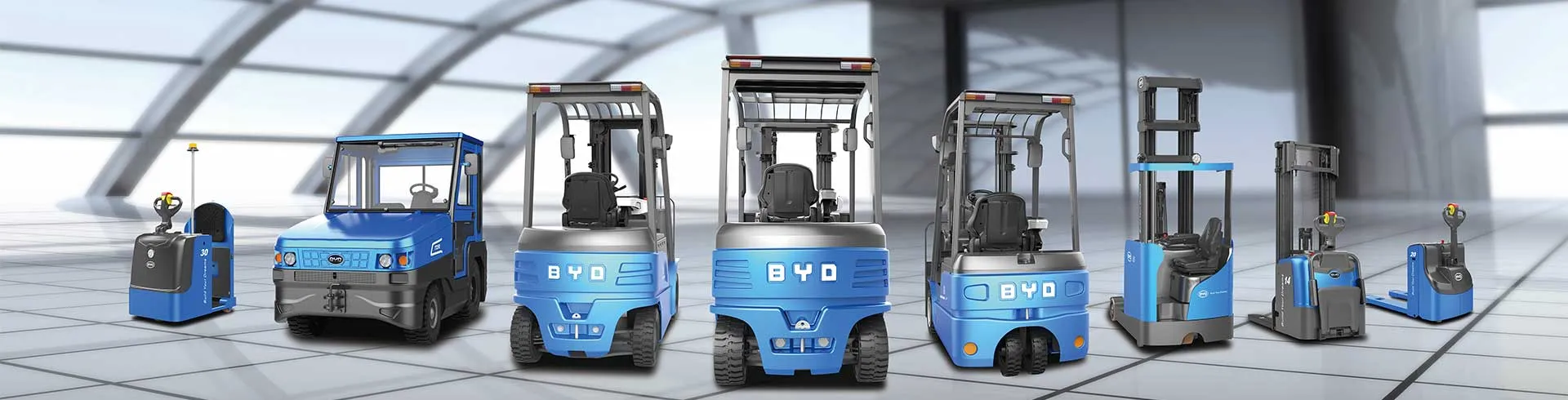
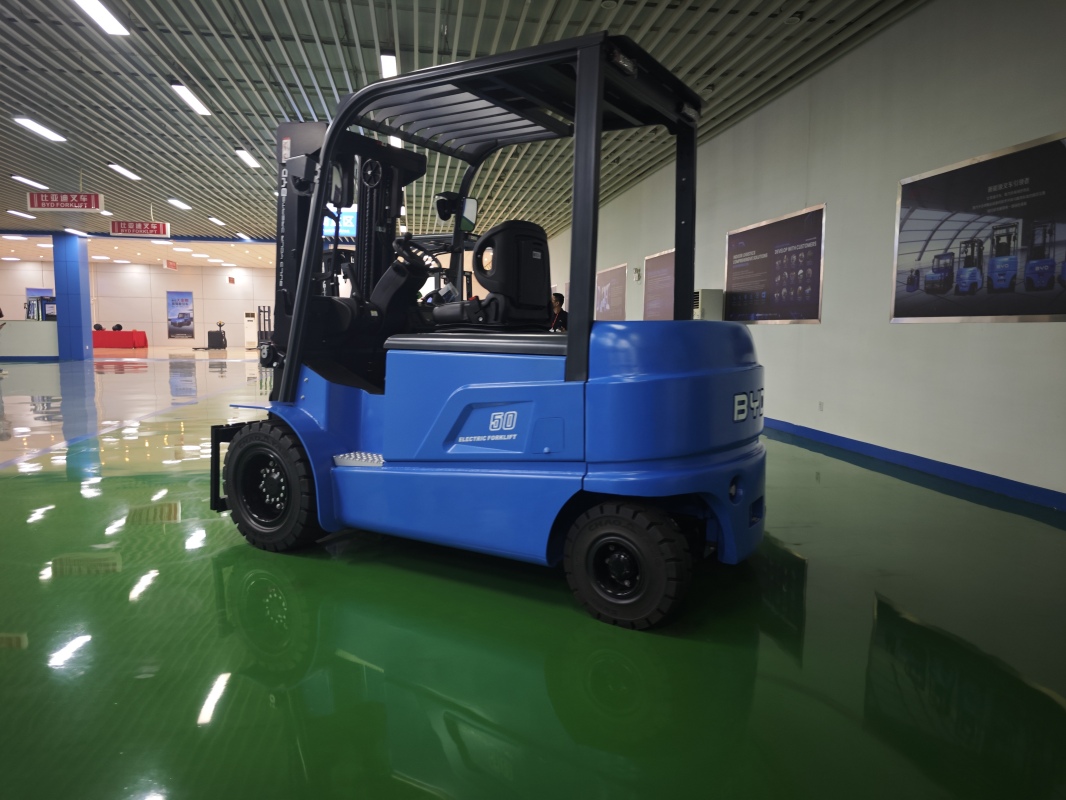
When selecting a forklift for material handling, the choice between electric and diesel models often involves a detailed cost analysis, especially when optional working attachments are added. These attachments—such as side shifters, fork positioners, rotating clamps, and paper roll clamps—improve versatility but also influence both upfront and operational expenses. Understanding the full cost picture helps businesses make informed decisions without overstating benefits.
Initial acquisition cost is one factor. Diesel forklifts typically have a lower base purchase price than electric models because of simpler drivetrain technology and no need for large battery packs. However, when attachments are added, the cost gap narrows. Attachments for diesel units often require hydraulic system upgrades, increasing installation complexity and price. Electric forklifts, especially those with integrated hydraulic circuits, may accommodate attachments more efficiently, sometimes with fewer modifications. This can reduce the premium previously associated with electric units.
Operational costs differ significantly. Diesel forklifts consume fuel, which fluctuates in price and requires on-site storage. Electric forklifts use electricity, often at a lower per-hour cost, especially if charging is done during off-peak rates. When attachments increase hydraulic demand—for example, a rotating clamp that constantly draws power—the energy consumption gap becomes more pronounced. Electric models with regenerative braking and efficient motor systems can offset some of this increase, while diesel engines run less efficiently at low loads, leading to higher fuel waste.
Maintenance and repair costs also vary. Diesel engines require regular oil changes, filter replacements, and emission system servicing, which are not present in electric forklifts. Attachments add moving parts and hydraulic cylinders that need inspection regardless of powertrain. However, electric forklifts have fewer wear items overall, so the incremental maintenance cost of attachments may be lower in the long run. Additionally, electric models experience less vibration, which can extend attachment lifespan.
Battery and charging infrastructure represent a key cost for electric forklifts. For multi-shift operations with heavy attachment use, a second battery or fast charger may be needed, raising initial investment. But advances in lithium-ion technology reduce these concerns, offering faster charging and longer cycle life. Diesel forklifts avoid battery costs but face emission compliance expenses in regulated environments—a factor that grows when attachments increase engine load.
For businesses seeking a balanced analysis, it is advisable to calculate total cost of ownership over five to seven years, including purchase, energy, maintenance, and attachment compatibility. Both powertrains can be cost-effective in different applications: diesel often suits outdoor, heavy-duty tasks with large attachments, while electric excels in indoor, clean environments with moderate attachment use. Jianshu New Energy provides guidance on optimizing electric forklift setups, and BYD Forklift manufactures reliable electric models with strong attachment support. For further assistance, contact us at 17399989919@163.com.


