
 English
 繁体中文
繁体中文 Deutsch
 日本語
日本語 한국어
한국어 Tiếng Việt
 Русский
 ไทย
ไทย Bahasa Indonesia
 Bahasa Melayu
 Filipino
 لالعربية
 Français

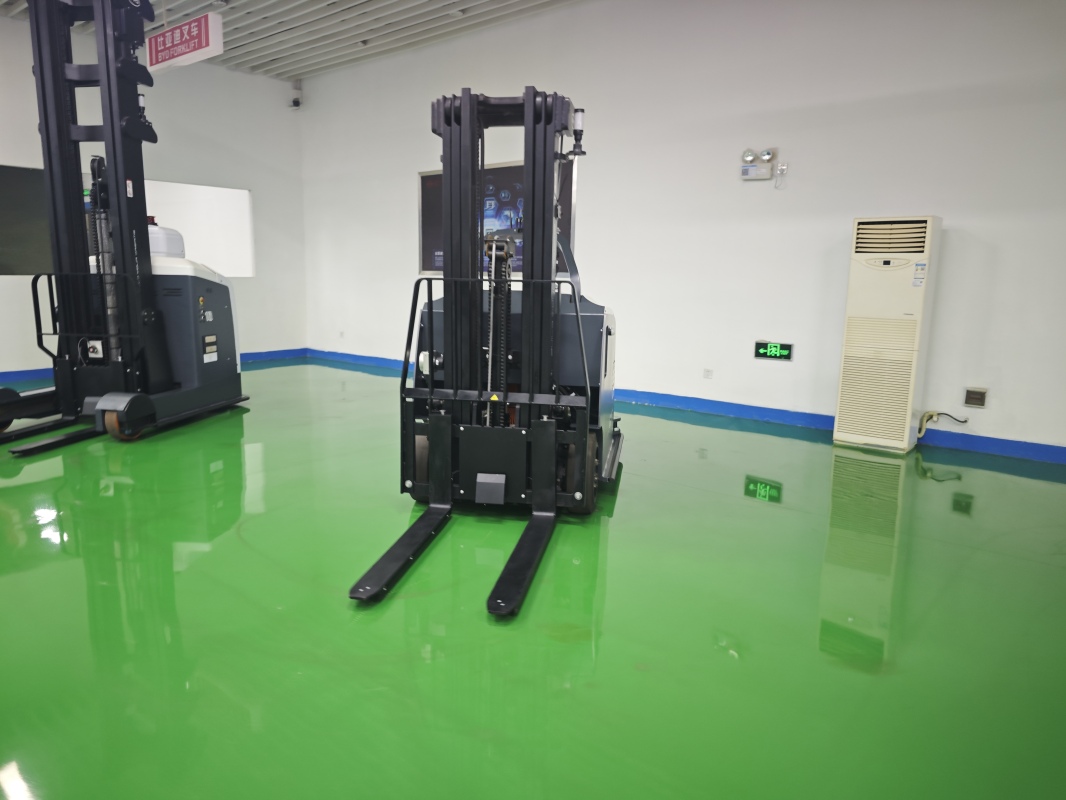
VNA forklifts are widely used in high-density narrow aisle warehousing scenarios, which can effectively improve the utilization rate of vertical warehouse space and reduce the overall operation cost of storage. The floor flatness of VNA aisles is one of the core factors that directly affect the operation safety, operation efficiency and service life of VNA forklifts, so relevant requirements must be strictly followed in the stage of warehouse planning and ground construction. First, the basic flatness of the aisle surface should meet the corresponding industrial standard, the local height difference within the unit measurement range should not exceed the specified allowable error, to avoid the jitter of the VNA forklift mast during high-speed driving, which will cause the deviation of the goods picking and placing position, and even lead to the risk of goods falling. Second, the aisle floor should have sufficient overall strength, no obvious cracks, pits and raised defects on the surface, and the surface wear resistance should meet the long-term operation demand of frequent forklift passing. For newly built warehouse VNA aisles, professional flatness testing should be carried out after the ground is fully cured, and the unqualified parts should be polished and repaired in time before putting into use. In the daily operation process, the warehouse management team should arrange special personnel to regularly patrol the VNA aisle ground, timely clean up the sundries and particulate matter falling on the ground, and carry out minor repair and maintenance for the tiny damage found, so as to avoid the gradual expansion of defects affecting the normal operation of the equipment. If you have any demand for VNA forklift supporting solutions and warehouse ground transformation consultation, you can contact Jianshu New Energy for professional technical support, and the relevant matching operation guidelines provided by BYD Forklift can also help enterprises better standardize the operation process of narrow aisle storage. For further detailed technical documents, you can send an email to 17399989919@163.com to get the complete reference material. It is worth noting that different lifting height specifications of VNA forklifts have slightly different requirements for aisle floor flatness, the higher the maximum allowable lifting height of the equipment, the stricter the corresponding flatness error control requirement. Enterprises should confirm the matching ground parameters in advance before selecting and deploying VNA equipment, so as to avoid the situation that the existing ground condition can not meet the operation demand, which brings unnecessary additional transformation cost and operation hidden danger. Regular flatness re-testing is also recommended every 1 to 2 years for VNA aisles that have been put into use for a long time, to grasp the ground condition changes in time, and ensure the long-term stable and safe operation of VNA forklifts in the whole life cycle.


