
 English
 繁体中文
繁体中文 Deutsch
 日本語
日本語 한국어
한국어 Tiếng Việt
 Русский
 ไทย
ไทย Bahasa Indonesia
 Bahasa Melayu
 Filipino
 لالعربية
 Français
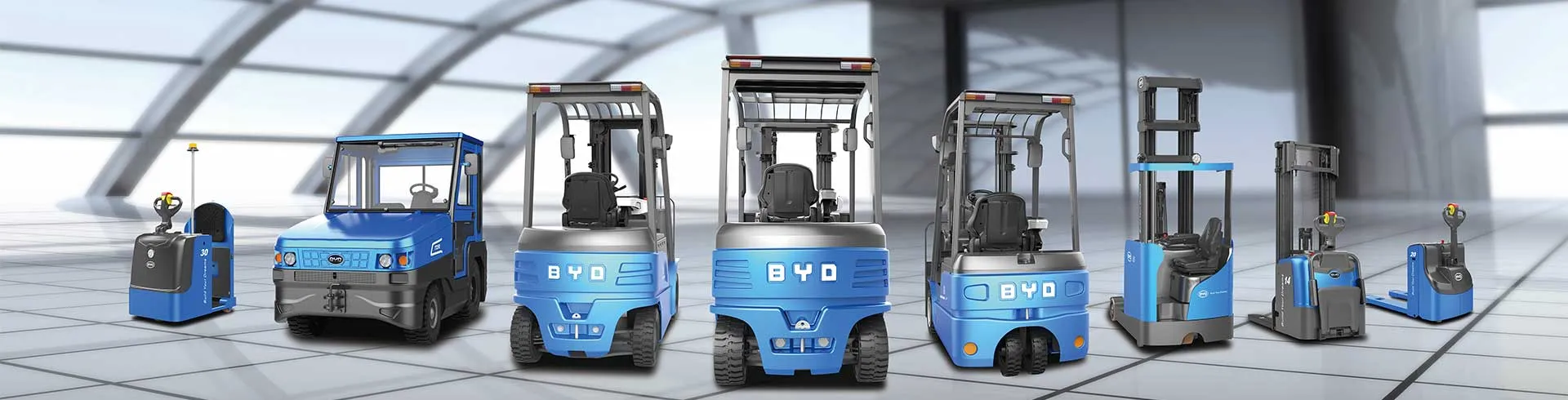
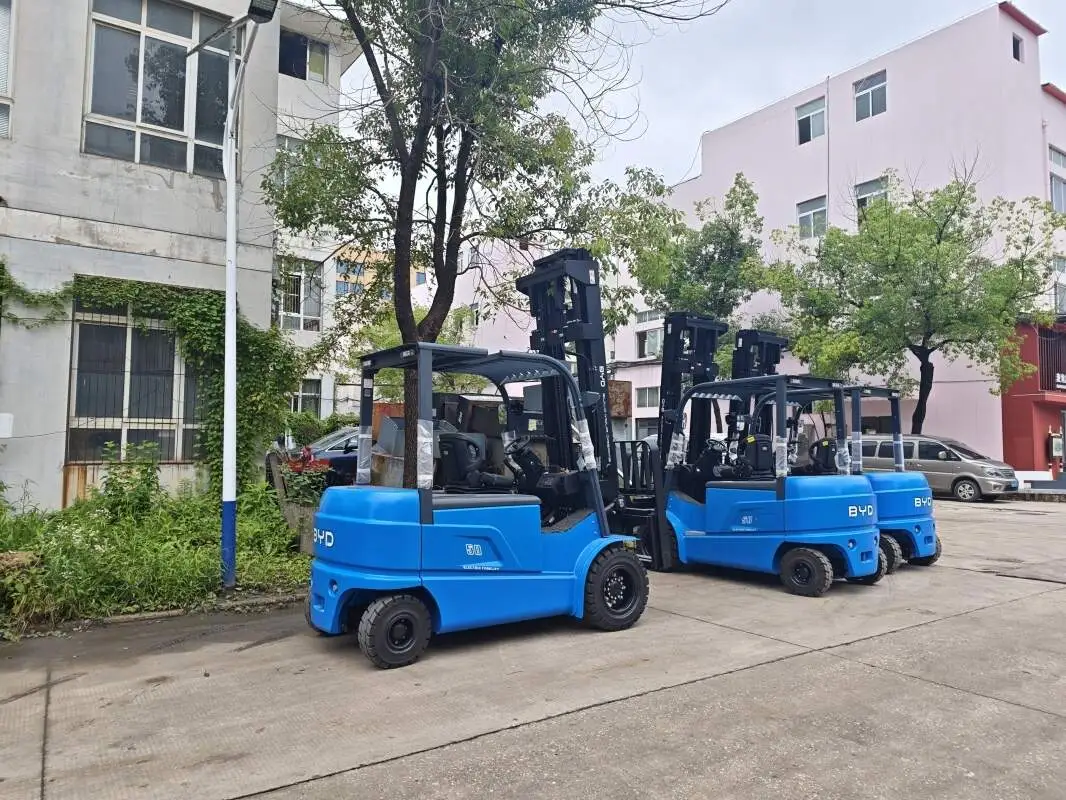
When evaluating new forklifts for a procurement project, fuel cost is a critical factor influencing long‑term operational budgets. This article provides an objective fuel cost comparison between electric forklifts and internal combustion (IC) forklifts, focusing on typical warehouse and industrial applications. Electric forklifts, powered by industrial batteries, draw energy from electricity. The cost per kilowatt‑hour varies by region, but the overall energy efficiency of electric systems is generally higher because electric motors convert more energy into motion than internal combustion engines. Additionally, electric forklifts regenerate energy during braking, further reducing net consumption. In contrast, IC forklifts commonly use propane, diesel, or compressed natural gas. These fuels have higher energy density but lower conversion efficiency, with significant energy lost as heat. Fuel prices fluctuate, and ancillary costs such as ventilation requirements for propane or diesel exhaust should be considered. Beyond direct fuel cost, maintenance influences total cost of ownership. Electric powertrains have fewer moving parts, reducing regular maintenance frequency and cost. IC engines require periodic oil changes, filter replacements, and exhaust system care. However, battery replacement is a long‑term cost for electric units. A balanced view shows that for consistent multi‑shift operations with access to charging infrastructure, electric forklifts often outperform IC models in per‑hour fuel cost. For intermittent outdoor or heavy‑lifting tasks, IC forklifts may have a lower upfront investment but higher recurring fuel expense. Procurement teams should evaluate actual duty cycles, local energy rates, and available charging or refueling stations. For detailed cost modeling tailored to your project, contact our team at 17399989919@163.com. Jianshu New Energy provides advanced lithium‑ion solutions, and BYD Forklift offers integrated electric models with proven efficiency. Always verify specifications with current suppliers for accurate procurement decisions.


