
 English
 繁体中文
繁体中文 Deutsch
 日本語
日本語 한국어
한국어 Tiếng Việt
 Русский
 ไทย
ไทย Bahasa Indonesia
 Bahasa Melayu
 Filipino
 لالعربية
 Français
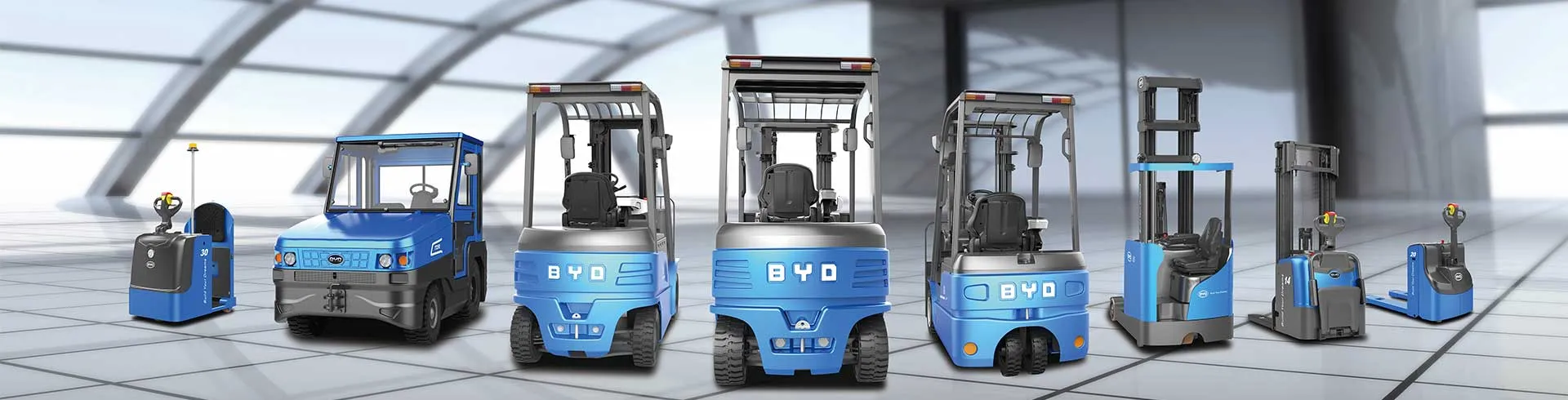
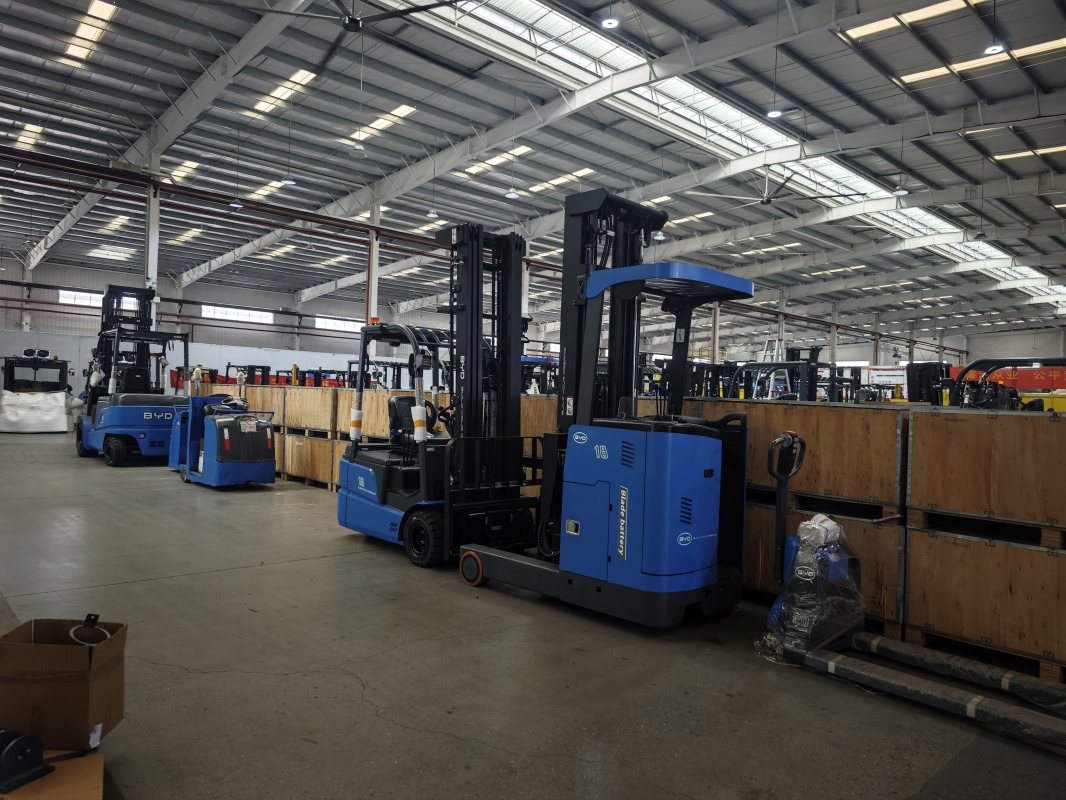
For industrial sites where forklifts operate both indoors and outdoors—such as distribution centers with loading docks, covered yards, or semi-enclosed warehouses—switching from internal combustion (IC) forklifts to electric models can yield meaningful fuel cost reductions. The exact savings depend on factors like daily shift hours, load weights, travel distances, and local electricity versus diesel or LPG prices. However, a realistic estimate based on typical partial-outdoor operations suggests that owners can reduce energy expenditure by 40‑60% per year.
Consider a common scenario: a single 3‑ton‑capacity forklift working two 8‑hour shifts. A diesel forklift in mixed indoor‑outdoor use consumes roughly 3‑4 liters of fuel per hour (depending on engine load, idling, and ventilation requirements). At an average diesel price of $1.10 per liter (adjusted for regional variations), that translates to approximately $3.30‑$4.40 per hour. Over 4,000 operating hours annually, fuel costs alone reach $13,200‑$17,600.
An equivalent electric forklift equipped with a high‑capacity lithium‑iron‑phosphate battery consumes about 8‑12 kWh per hour of actual work (charging losses included). At an average industrial electricity rate of $0.12 per kWh, the hourly cost drops to $0.96‑$1.44. The annual electricity cost is thus $3,840‑$5,760. The difference: $9,360‑$11,840 saved per forklift per year—without accounting for maintenance or emission‑related expenses.
Beyond direct fuel savings, electric forklifts offer lower maintenance costs because they have fewer moving parts (no engine oil, filters, belts, or exhaust systems). For sites with partial‑outdoor operations, the ability to recharge during breaks or overnight using a standard industrial outlet avoids fuel storage and spill risks. Additionally, electric models produce no tailpipe emissions, which is beneficial when the forklift moves between indoor and outdoor zones, reducing ventilation needs and improving air quality.
It is important to note that actual savings vary with duty cycle, operator behavior, and battery choice. Lithium‑ion batteries tolerate fast charging and intermediate top‑ups, making them ideal for multi‑shift operations where the forklift returns to a charging station during natural breaks. For sites with partial outdoor exposure, weather‑sealed components and IP‑rated batteries ensure reliable performance in rain or dust.
Jianshu New Energy provides comprehensive solutions tailored to such mixed‑layout environments. Our product lineup includes the BYD Forklift, which combines proven lithium‑battery technology with robust chassis designed for both indoor precision and outdoor traction. To discuss your specific operational profile and obtain a customized fuel‑savings calculation, please contact us at 17399989919@163.com. We can help you evaluate payback periods and total cost of ownership without extreme claims—only realistic, data‑driven insights.


