
 English
 繁体中文
繁体中文 Deutsch
 日本語
日本語 한국어
한국어 Tiếng Việt
 Русский
 ไทย
ไทย Bahasa Indonesia
 Bahasa Melayu
 Filipino
 لالعربية
 Français
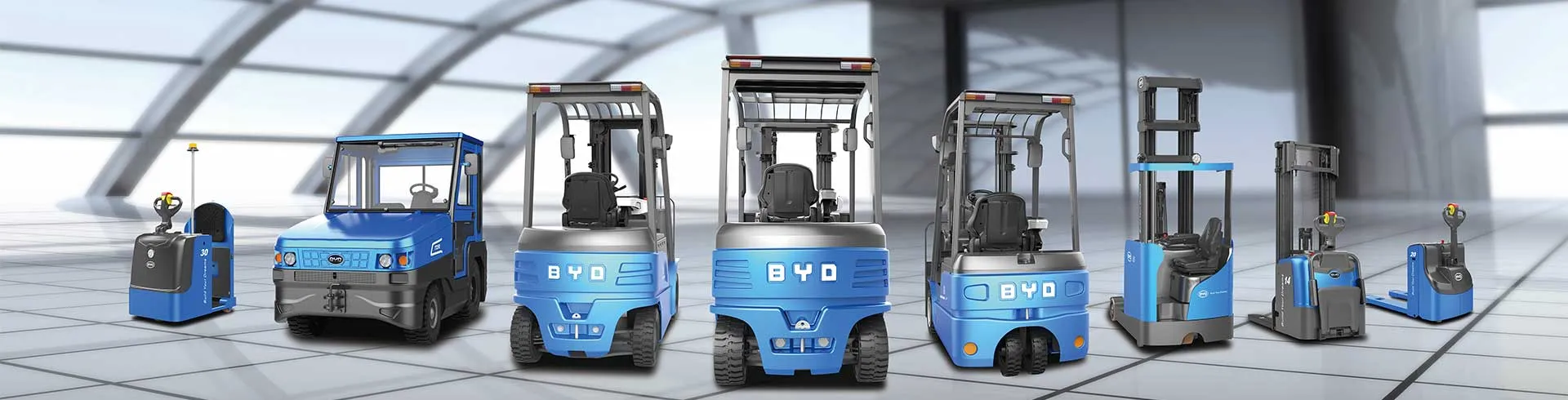
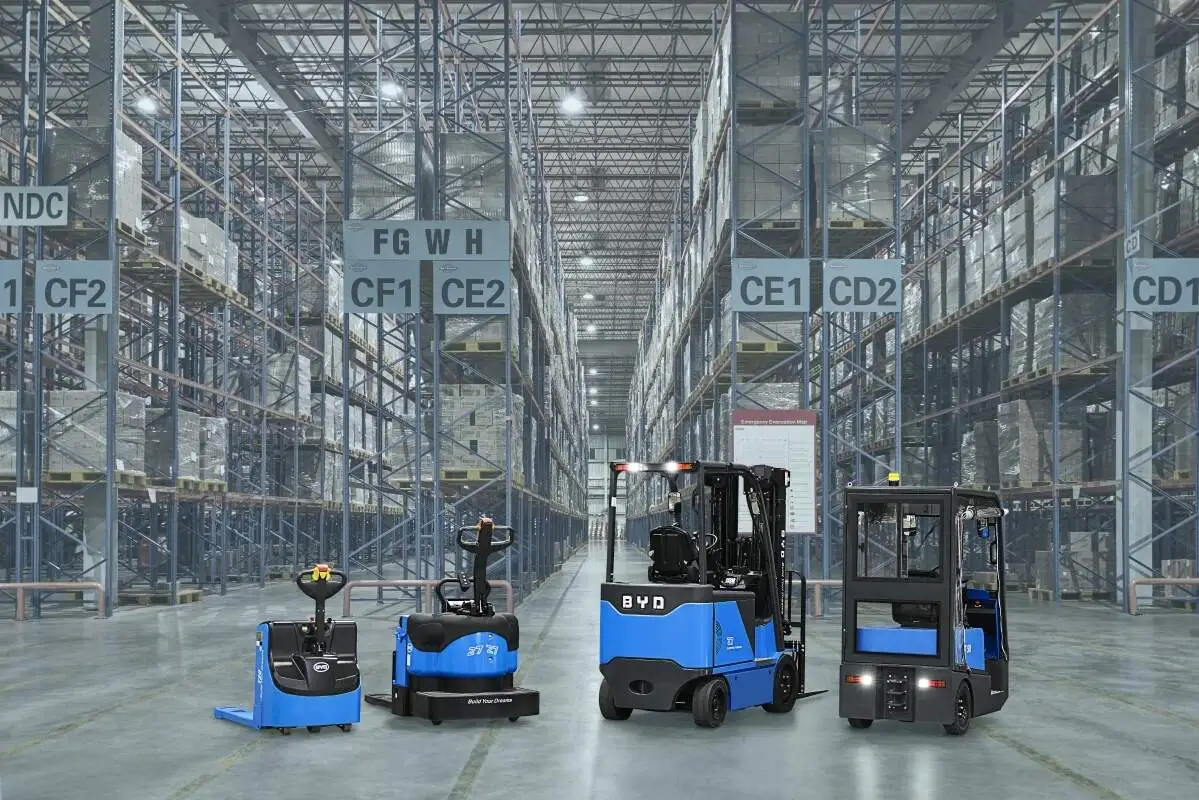
As electric forklifts are widely applied in warehousing, manufacturing and logistics scenarios across different industries, a large number of decommissioned forklift batteries are generated every year when equipment reaches its service life. Most enterprise asset managers do not have clear knowledge about how formal recyclers set prices for these waste batteries, which easily leads to uncertain expected returns in the battery recycling process. The first core factor that formal recyclers take into consideration for pricing is the actual remaining capacity of the battery. They will carry out professional full charge and discharge testing on each single battery to record the available capacity percentage, and batteries with higher remaining usable capacity will get a correspondingly higher quote. The second key factor is the chemical material type of the battery. Different battery types contain different proportions of valuable metal raw materials, and recyclers will adjust their reference quotes dynamically based on the latest real-time market price of relevant raw metals in the commodity market. The third dimension is the overall structural integrity of the battery. Batteries with no severe swelling, leakage or outer shell damage will cost much less in subsequent harmless processing, so they can get more favorable quotes than those with heavy damage. For some decommissioned forklift batteries that still have potential for secondary energy storage application, formal recyclers will also add the value of echelon utilization into the overall valuation, rather than pricing all batteries simply as industrial scrap. If you need formal and accurate valuation service for your decommissioned forklift batteries, you can turn to Jianshu New Energy for support. We can also provide exclusive reference valuation scheme that adapts to all decommissioned batteries of BYD Forklift series, and you can send consultation email to 17399989919@163.com for more details. Formal qualified recyclers never use the improper trick of marking an extremely high price at first then lowering the price for no reason after taking the batteries. The whole pricing process is open and transparent, and battery owners can ask for complete test record and quote details to avoid unnecessary loss. The whole industry’s pricing rule always floats around the three core dimensions of battery remaining value, raw material market trend and subsequent processing cost, there is no fixed unified price that fits all battery conditions. Comparing quotes from 2 to 3 qualified recycling service providers will help you get a reasonable return that matches the current market level.


