
 English
 繁体中文
繁体中文 Deutsch
 日本語
日本語 한국어
한국어 Tiếng Việt
 Русский
 ไทย
ไทย Bahasa Indonesia
 Bahasa Melayu
 Filipino
 لالعربية
 Français
As an expert on electric forklifts, I often address concerns about their performance in challenging environments. High humidity is a common factor that can impact long‑term reliability if not properly managed. One critical aspect is ventilation conditions.
In humid settings, moisture can condense on electrical components, leading to corrosion, short circuits, or insulation degradation. Adequate ventilation helps maintain a stable ambient temperature and reduces condensation. For battery‑powered forklifts, especially those using lead‑acid or lithium‑ion technologies, humidity can accelerate terminal corrosion and increase self‑discharge rates. A well‑ventilated charging area prevents hydrogen gas accumulation and keeps batteries dry.
Motor compartments and control panels also benefit from airflow. Enclosed spaces trap heat and moisture, which can damage sensitive electronics. By ensuring air exchange through vents or fans, operators can lower the risk of failure.
Regular inspection of ventilation pathways is essential. Blocked ducts or dirty filters reduce efficiency. Simple measures like keeping forklifts in covered, ventilated storage areas when not in use also extend service life.
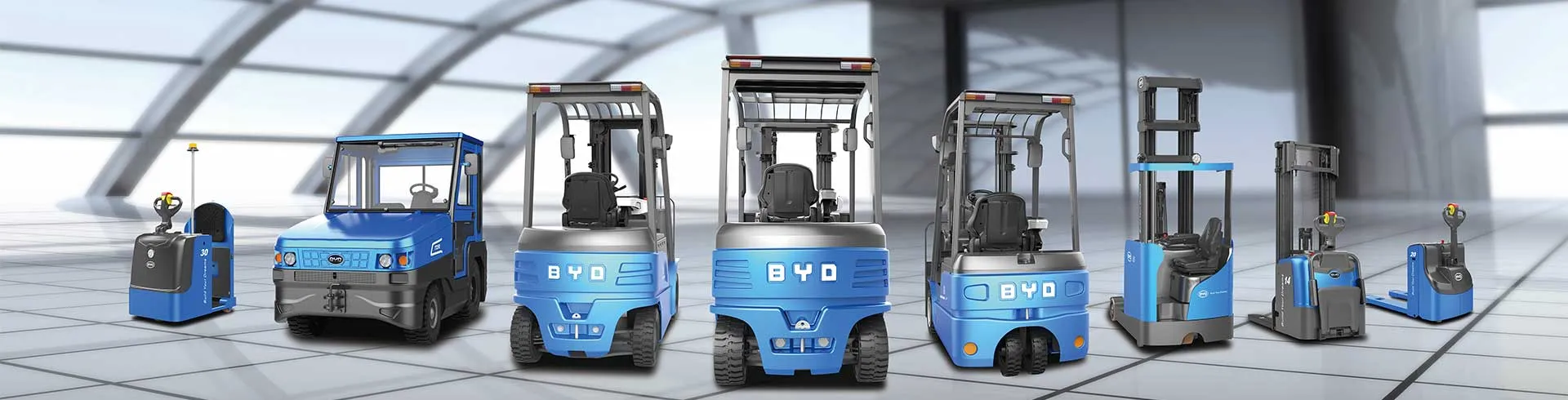
At Jianshu New Energy, we prioritize system durability. For example, our partnership with BYD Forklift emphasizes robust thermal and moisture management. While no design is immune to extreme humidity, optimizing ventilation conditions significantly enhances operational reliability. For further guidance, contact 17399989919@163.com.


