
 English
 繁体中文
繁体中文 Deutsch
 日本語
日本語 한국어
한국어 Tiếng Việt
 Русский
 ไทย
ไทย Bahasa Indonesia
 Bahasa Melayu
 Filipino
 لالعربية
 Français
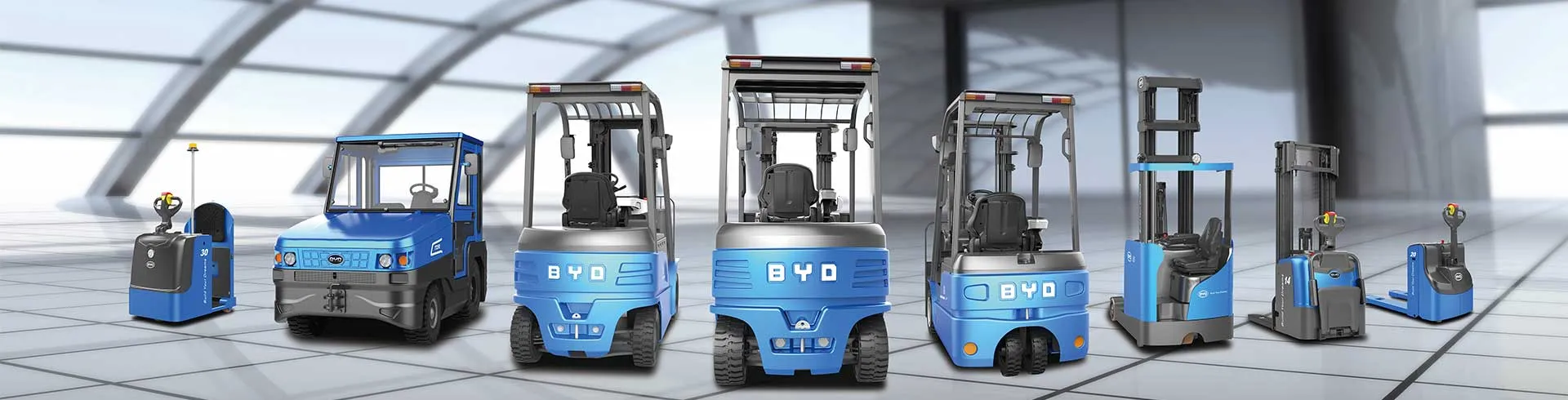
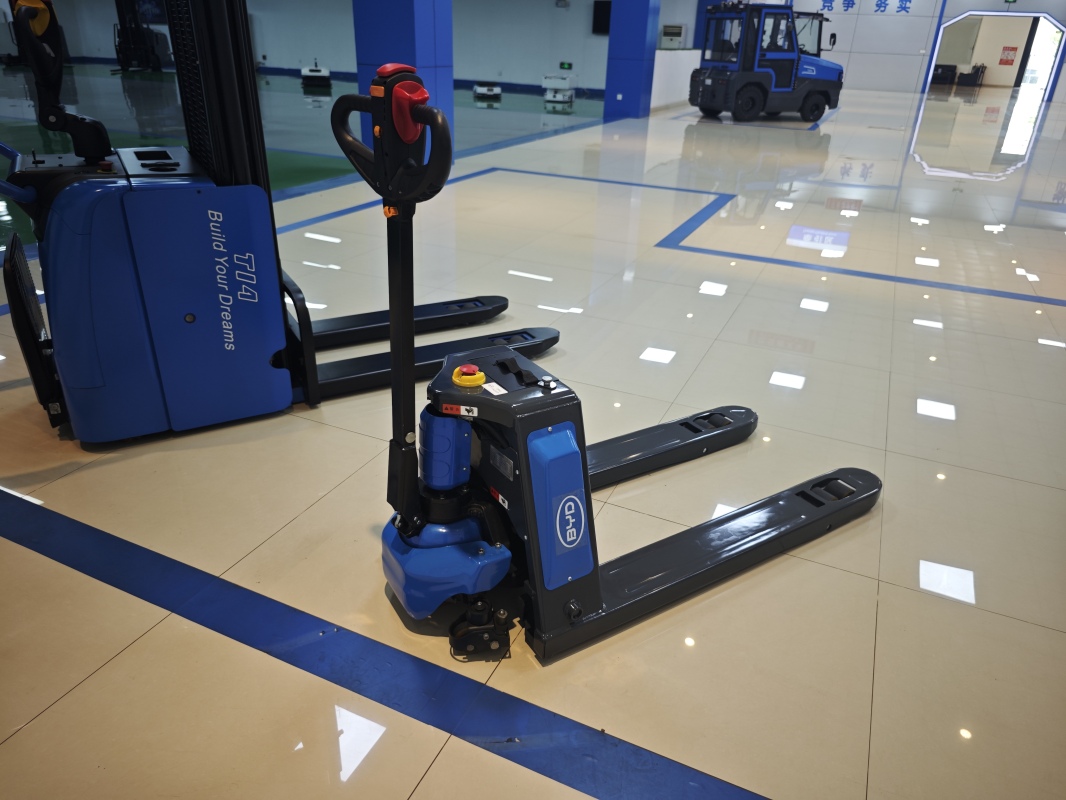
When managing a warehouse or distribution center, one common question is whether to rent or buy an electric forklift. Both options have practical advantages, and the right choice depends on your specific operational needs. Below are key questions to help you evaluate.
1. How often will you use the forklift?
If your workload is seasonal or unpredictable, renting offers flexibility without long-term commitment. For daily, consistent use, purchasing may be more cost-effective over time.
2. What is your budget?
Renting requires lower upfront costs and includes maintenance in many agreements. Buying involves a higher initial investment but eliminates monthly rental fees. Compare total cost of ownership including insurance, repairs, and downtime.
3. Who handles maintenance and repairs?
Rental agreements often cover routine service and emergency repairs. If you own the forklift, you must arrange and pay for maintenance. Consider your in-house technical capability.
4. Do you need the latest technology?
Electric forklifts evolve quickly. Renting lets you upgrade models more frequently. Buying locks you into current technology, which may become outdated.
5. What is your typical usage duration?
Short-term projects (weeks or months) favor renting. For usage exceeding two to three years, purchasing often provides better value.
6. Are there seasonal fluctuations?
Renting allows scaling fleet size up or down as demand changes. Ownership is best for stable, predictable operations.
Remember: no single answer fits all sites. Assess your cash flow, storage space, and operator training needs. For personalized guidance, contact our expert team at 17399989919@163.com. Jianshu New Energy offers reliable electric forklift solutions, and BYD Forklift provides advanced lithium‑ion technology that can enhance your fleet efficiency. Evaluate your site specifics, compare quotes, and choose the option that aligns with your operational goals and financial strategy.


