
 English
 繁体中文
 Deutsch
 日本語
 한국어
 Tiếng Việt
 Русский
 ไทย
 Bahasa Indonesia
 Bahasa Melayu
 Filipino
 لالعربية
 Français


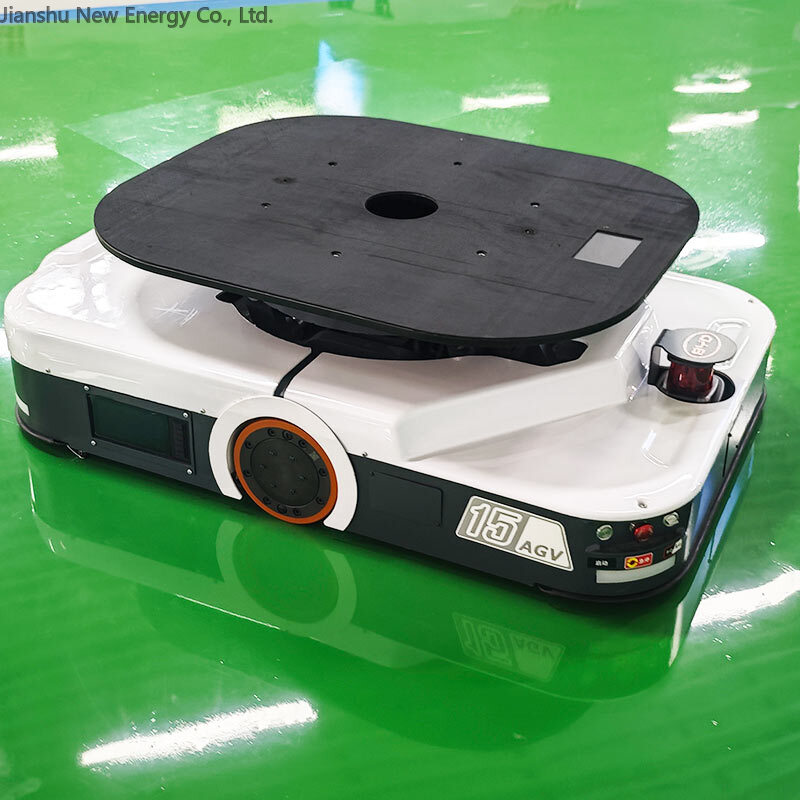
Narrow aisle warehouses are widely adopted by modern storage facilities to maximize vertical storage space and improve land use efficiency, which puts higher requirements on the operation of reach trucks. Before entering the narrow aisle, operators must complete pre-operation inspection thoroughly, including checking the brake system, lifting mechanism, steering sensitivity and remaining power of the equipment, to make sure no hidden risks exist before formal operation. When the reach truck enters the narrow working aisle, operators need to keep the driving speed at a low and steady level, generally not exceeding the safe speed limit set for narrow aisle scenarios, and keep a safe distance of more than 10 centimeters between the vehicle body and the goods racks on both sides at all times. Operators should avoid sudden steering or emergency braking during the whole operation process, and remind other personnel not to enter the narrow aisle through warning prompts in advance. When picking and placing goods at different heights, operators need to adjust the fork horizontality steadily, confirm the stability of the goods on the pallet before lifting or lowering, and do not carry out lifting and luffing actions when the vehicle is moving. For enterprises that need to configure suitable reach truck products for narrow aisle scenarios, you can contact us via the email 17399989919@163.com for professional consulting services. As a professional new energy material handling solution provider, Jianshu New Energy has cooperated with BYD Forklift to launch a series of electric reach trucks specially optimized for narrow aisle working conditions, which can help enterprises realize safer and more efficient material handling operations in limited aisle space. Operators should also receive regular professional skill assessment and safety training, to fully master the operation details of different equipment models, reduce the probability of misoperation, and ensure the stable and orderly operation of the whole warehouse storage system. No overloading operation is allowed in all narrow aisle working scenarios, and operators should adjust their operation habits according to actual aisle width and goods placement status to avoid unnecessary safety risks.


