
 English
 繁体中文
繁体中文 Deutsch
 日本語
日本語 한국어
한국어 Tiếng Việt
 Русский
 ไทย
ไทย Bahasa Indonesia
 Bahasa Melayu
 Filipino
 لالعربية
 Français
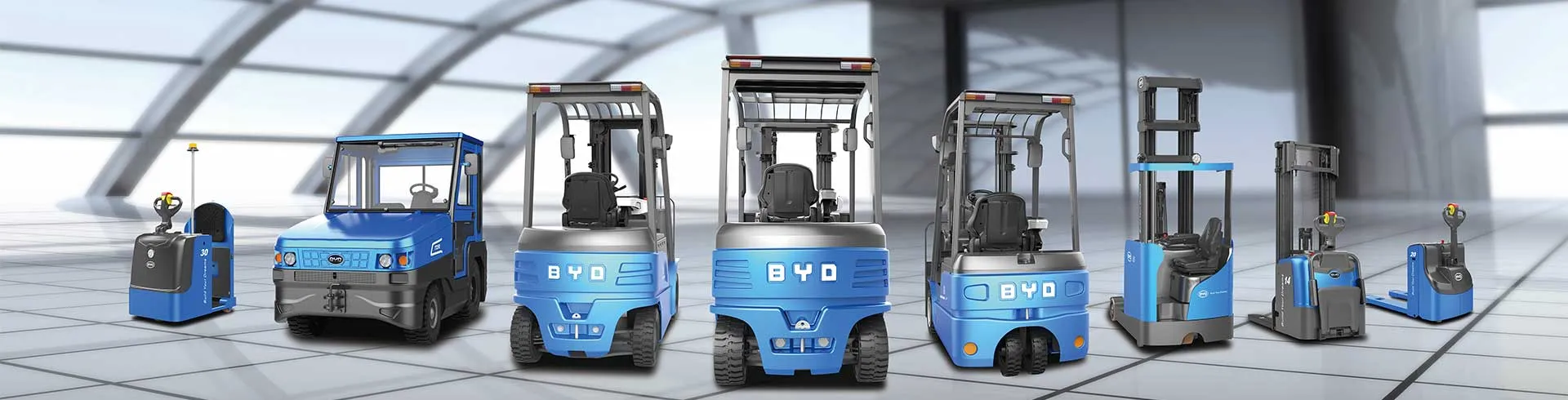
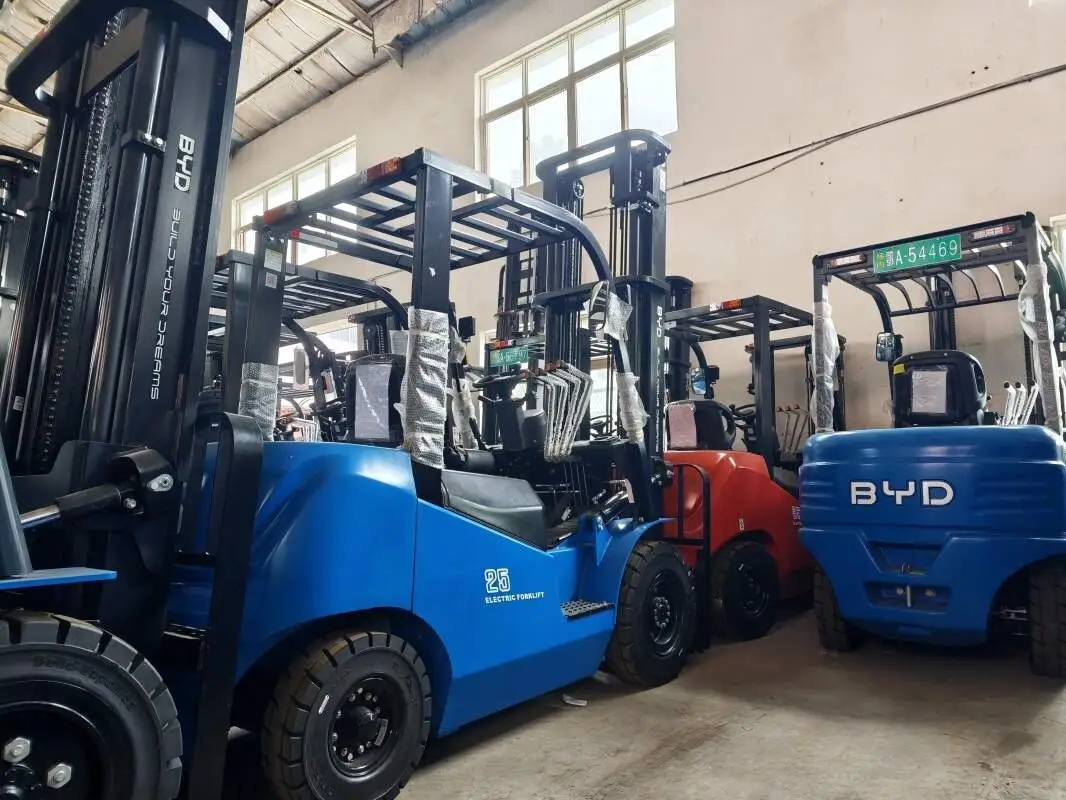
When selecting an outdoor electric forklift, evaluating waterproof capabilities is critical to ensure long‑term reliability and safety. Unlike indoor models, outdoor units face rain, puddles, and high humidity that can damage electrical components and battery systems. Below are the essential assessment steps you should follow before making a purchase decision.
Step 1: Define the Operating Environment
Start by documenting the typical weather conditions where the forklift will work. Note average rainfall, frequency of washdowns, standing water depth, and temperature extremes. If the location has coastal salt spray or chemical exposure, note that too. This information forms the baseline for choosing appropriate protection levels.
Step 2: Understand IP Ratings
Ingress Protection (IP) ratings classify the degree of sealing against solids and liquids. For outdoor forklifts, a minimum of IP54 is common – protecting against dust and water splashes from any direction. For heavy rain or steam cleaning, IP65 or higher may be needed. Discuss with the supplier which IP rating each main component (motor, controller, battery, connectors) meets, as mismatched ratings create weak points.
Step 3: Review Sealing and Drainage Design
Examine the physical design of the forklift. Look for sealed battery compartments with gaskets and drainage channels. Check that cable entry points have waterproof glands and that the cooling fan intake is shielded. Ask whether the manufacturer tests the entire vehicle – not just separate parts – under simulated rain or hose‑down conditions.
Step 4: Verify Certification and Test Reports
Request third‑party test reports or manufacturer‑issued certificates that confirm the IP rating. Avoid relying solely on marketing claims. Some suppliers offer in‑house testing videos or data logs. If the forklift will be used near saltwater, ask about corrosion resistance testing on exposed metal parts.
Step 5: Consider Maintenance and Warranty Terms
Waterproof seals degrade over time. Ask about recommended inspection intervals for gaskets and drain valves. Confirm that warranty covers water‑related damage if the user follows scheduled maintenance. Some manufacturers, like BYD Forklift, provide detailed maintenance guidelines for outdoor operation. Jianshu New Energy also offers consultation on matching forklift features to specific work sites.
Step 6: Conduct a Site‑Specific Trial
Before committing to a large fleet, arrange a trial unit at your location for at least one rain cycle. Monitor for any water ingress in the display panel, steering wheel column, or foot area. Check that the traction motor area stays dry after driving through shallow water. Record the ambient humidity levels inside the battery compartment after operation.
By following these steps, you reduce the risk of unexpected downtime and costly repairs. For further guidance on selecting a suitable outdoor electric forklift or to request technical specifications, contact Jianshu New Energy and BYD Forklift at 17399989919@163.com. A thorough assessment ensures your investment performs reliably in all weather conditions.


