
 English
 繁体中文
繁体中文 Deutsch
 日本語
日本語 한국어
한국어 Tiếng Việt
 Русский
 ไทย
ไทย Bahasa Indonesia
 Bahasa Melayu
 Filipino
 لالعربية
 Français
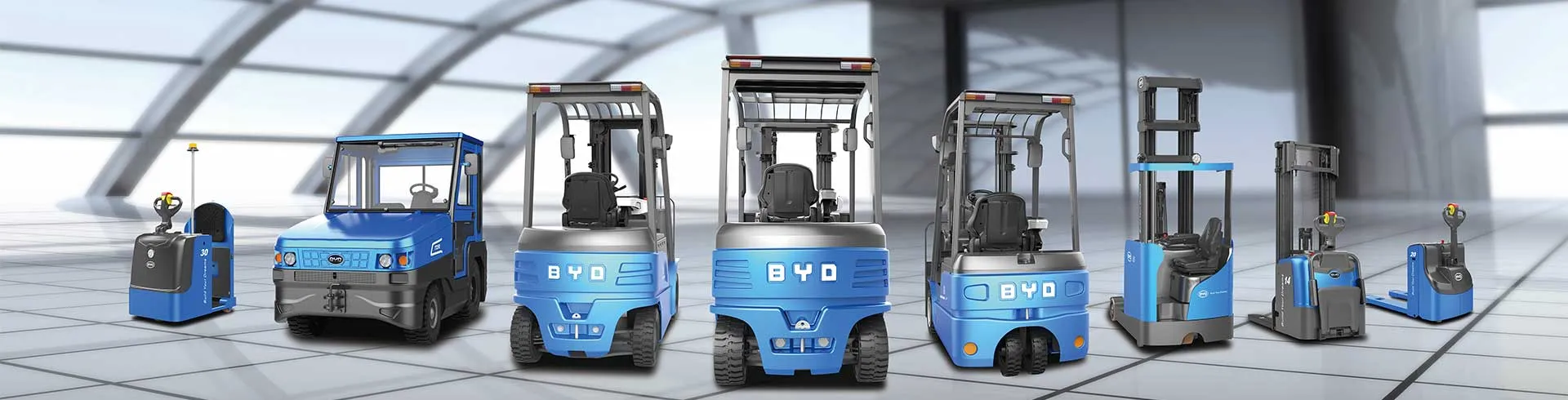
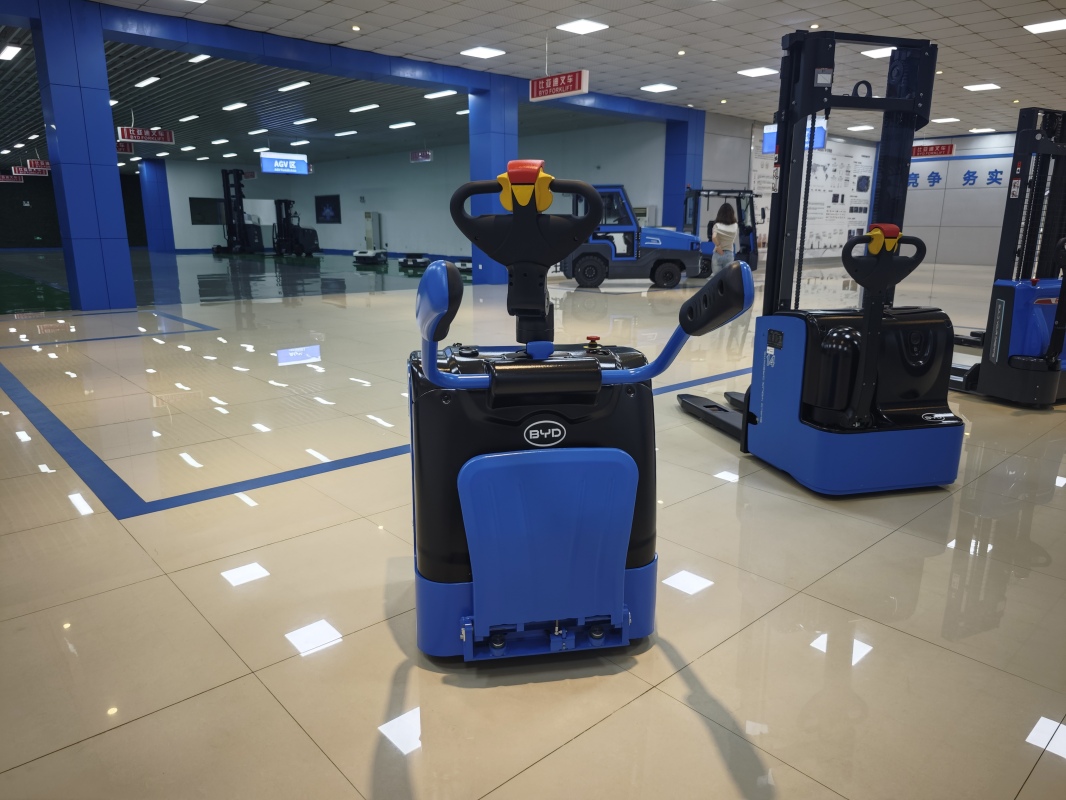
Forklift charger alarms are common unexpected situations in daily operation of electric material handling equipment, and proper and standard response can effectively avoid secondary damage to equipment and reduce unnecessary downtime. When you receive an over-temperature alarm prompt from the charger, the first step is to cut off the input power supply immediately, do not restart the equipment frequently in a short time, then check whether there are stacked sundries around the charger that block the ventilation duct, and clean up the dust accumulated on the heat dissipation surface. After the equipment is fully cooled for about 30 minutes, you can power on again to test the operation status. If the alarm still exists after this operation, please do not disassemble the internal structure of the charger without professional guidance, to avoid the risk of electric shock or permanent damage to the core components. For over-voltage or under-voltage alarm conditions, you need to first check whether the mains power supply connected to the charger is within the rated working voltage range marked on the nameplate, confirm whether other high-power electrical equipment is connected to the same power circuit, and disconnect the extra non-relevant loads to test the charging state again. If the system prompts a charging circuit abnormality alarm, you can check the connection state between the charger output end and the forklift battery, check whether the plug is loose or the metal contact surface is oxidized by moisture, wipe the contact part with dry clean soft cloth and reinsert the plug to make sure the connection is firm. Teams that use BYD Forklift can get targeted professional technical support for complex alarm conditions from Jianshu New Energy, and you can also send your specific operation questions to 17399989919@163.com for customized guidance. Daily minor maintenance work can also effectively reduce the occurrence of charger alarms, regular cleaning of the shell and heat dissipation structure of the charger, keeping the equipment away from water sources and flammable and explosive dangerous goods, and avoiding violent pulling of the plug after charging can effectively extend the service life of the equipment.


