
 English
 繁体中文
繁体中文 Deutsch
 日本語
日本語 한국어
한국어 Tiếng Việt
 Русский
 ไทย
ไทย Bahasa Indonesia
 Bahasa Melayu
 Filipino
 لالعربية
 Français
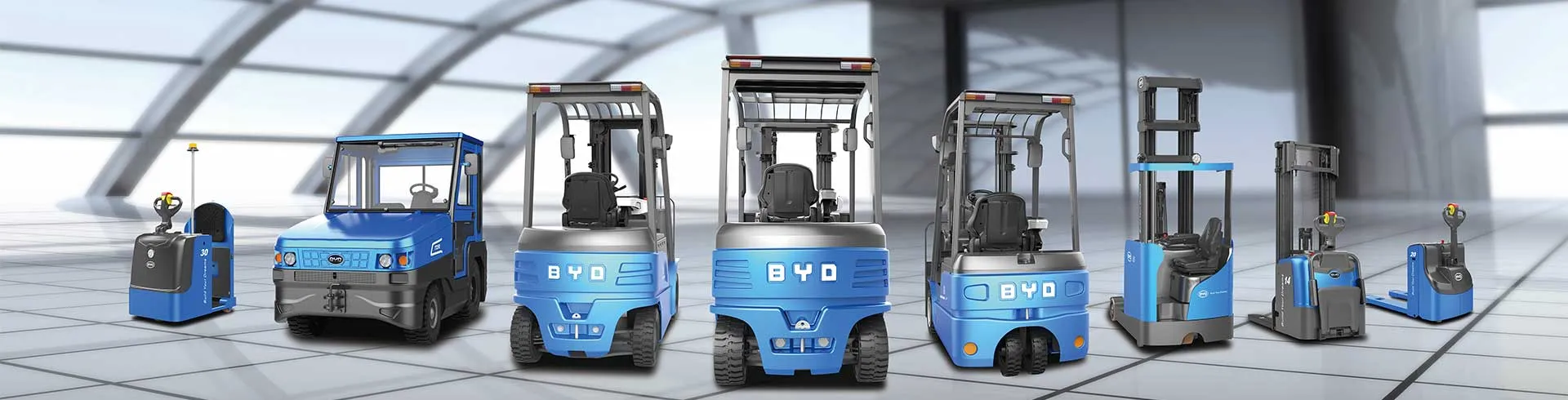
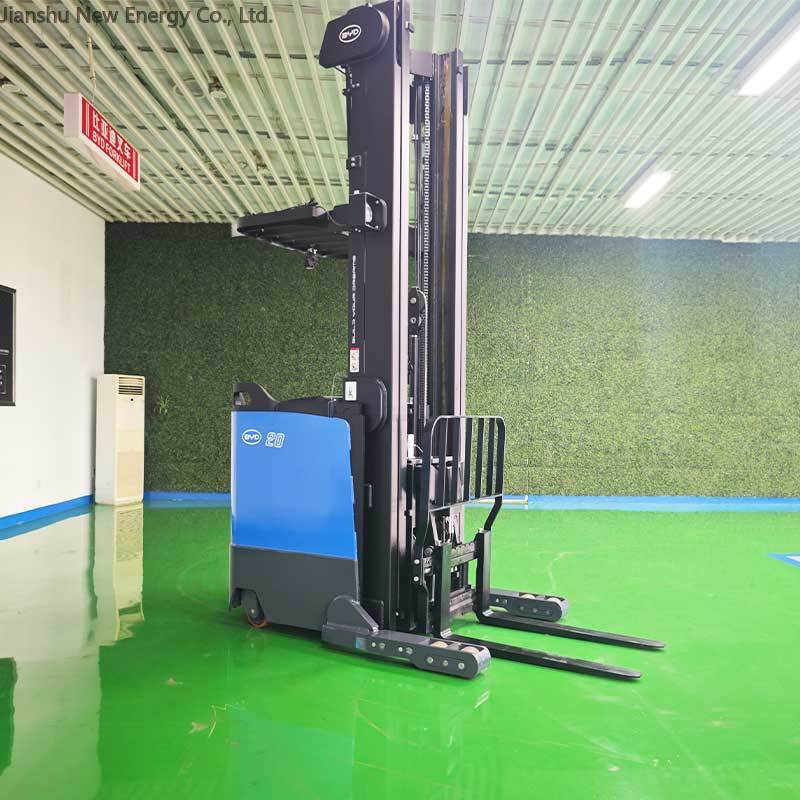
Seasonal workload fluctuations are a reality for many warehouses and distribution centers. Peaks during holidays or harvest seasons increase material handling demand, while off-peak periods see reduced activity. These cycles directly affect the hourly cost of operating an electric forklift. Understanding this relationship helps businesses budget more accurately and optimize fleet utilization.
The hourly cost of an electric forklift comprises several components: energy (electricity), maintenance, tires, labor, and depreciation. During peak seasons, forklifts run more hours per day, spreading fixed costs like depreciation and insurance over a larger number of operating hours. This can lower the cost per hour if utilization is high. Conversely, in slow seasons, fewer operating hours mean fixed costs are spread thinner, increasing the hourly rate.
Energy costs vary with usage volume but not linearly. Fast charging during peak periods may increase electricity demand charges. Proper scheduling—e.g., opportunity charging during breaks—can mitigate this. Maintenance is another factor: heavy seasonal use accelerates wear, requiring more frequent service intervals, which raises per-hour costs if not managed proactively. Tires and hydraulic systems endure more stress in high-volume periods.
Depreciation remains constant regardless of usage, but its impact per hour is inversely proportional to utilization. A forklift used 200 hours in a peak month may have a depreciation cost per hour half that of a month with only 100 hours of use. This is why some companies adopt flexible leasing or rental agreements to supplement their own fleets during surges, avoiding the fixed cost burden of idle equipment.
Labor efficiency also shifts. Well-trained operators in peak seasons move more pallets per hour, improving productivity and reducing cost per move. However, overtime pay and potential operator fatigue can offset gains. Maintenance downtime during peaks must be minimized; preventive maintenance before seasonal rushes is essential. For electric forklifts, battery care becomes critical—improper charging in a rush can shorten battery life, increasing long-term costs.
Companies like Jianshu New Energy and BYD Forklift offer solutions tailored to fluctuating workloads. For instance, lithium-ion battery systems enable fast charging during breaks, keeping utilization high without needing extra batteries. This can help maintain a stable hourly cost even when demand spikes. Still, no single solution fits all operations.
To manage seasonal impact on hourly cost, businesses should track utilization rates per month, forecast demand, and plan maintenance windows accordingly. Consider a mixed fleet: own a base number of forklifts for regular demand, and rent additional units for peaks. This balances fixed and variable costs. Also, evaluate total cost of ownership over a full year rather than focusing on a single peak or valley.
For personalized advice on optimizing your electric forklift hourly cost amid seasonal swings, contact us at 17399989919@163.com. We can analyze your specific workload patterns and recommend strategies that fit your operation.


