
 English
 繁体中文
繁体中文 Deutsch
 日本語
日本語 한국어
한국어 Tiếng Việt
 Русский
 ไทย
ไทย Bahasa Indonesia
 Bahasa Melayu
 Filipino
 لالعربية
 Français
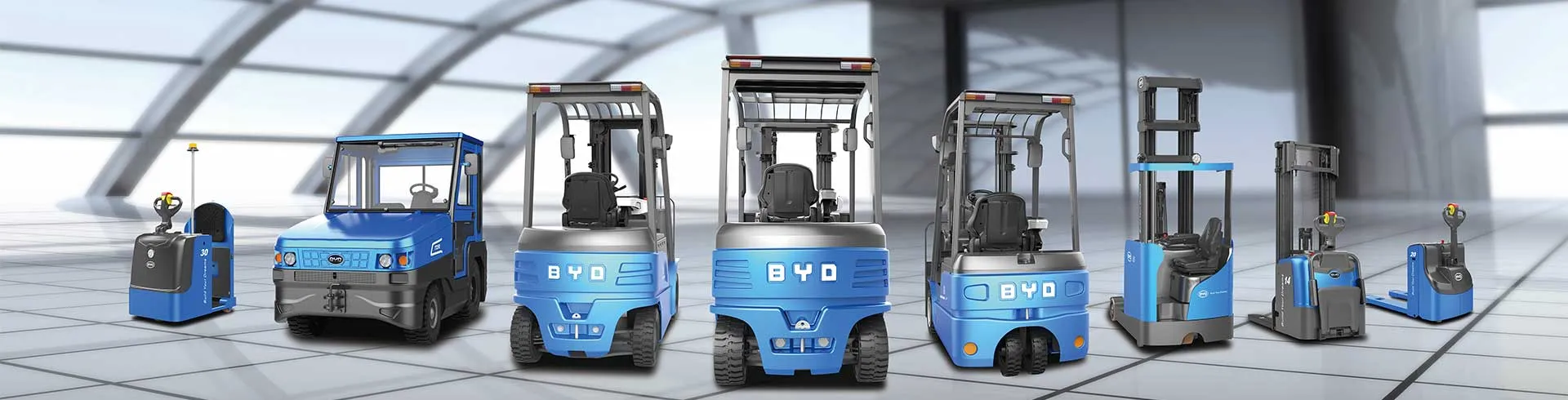
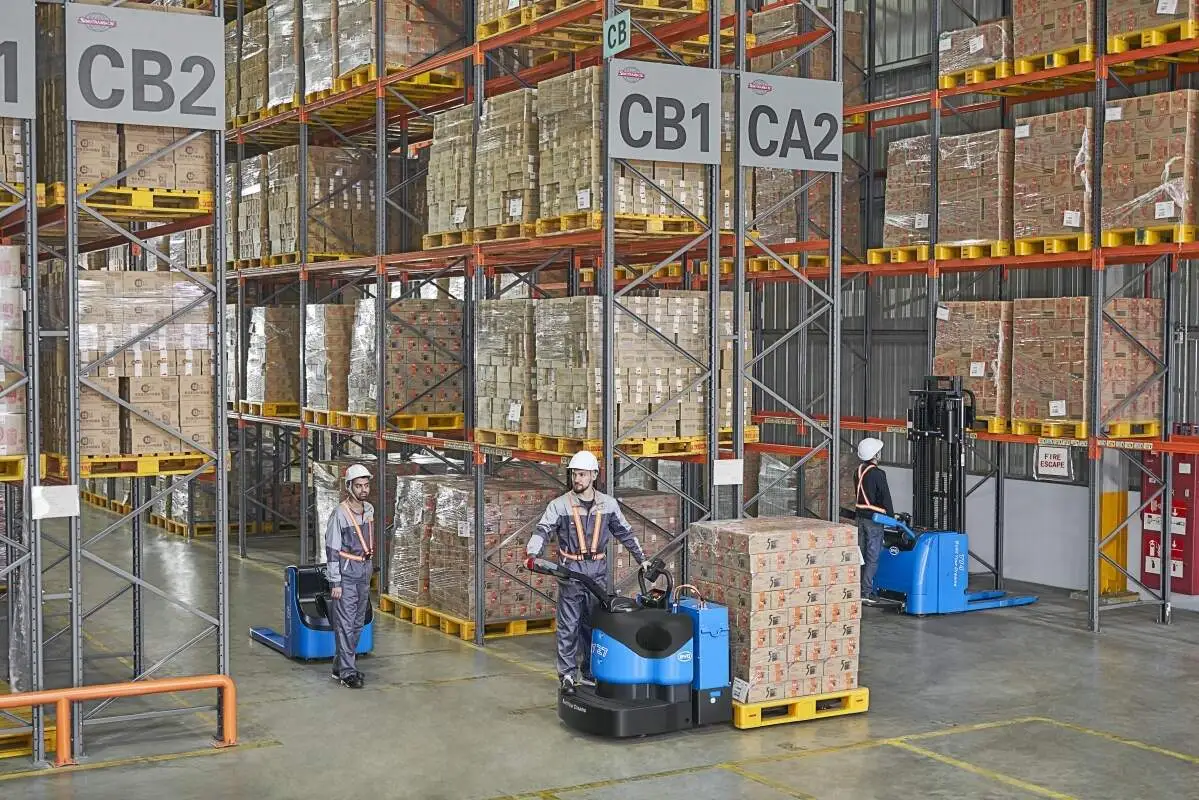
When your business operates in an area with limited access to skilled forklift maintenance technicians or specialized service centers, the decision between renting and buying an electric forklift becomes a strategic one. Both options have legitimate advantages, but the key is to align your choice with your actual operational needs, budget, and the local support infrastructure. This article provides a balanced, fact-based overview to help you make an informed decision.
Renting an electric forklift often appeals to businesses that want to avoid long-term commitment and upfront capital expenditure. When local maintenance resources are scarce, rental providers typically include full-service packages. This means routine inspections, repairs, and emergency breakdowns are handled by the rental company's own technicians or through their regional network. For example, Jianshu New Energy offers flexible rental options that include maintenance support, reducing your burden of sourcing local labor. Renting also allows you to upgrade to newer models more frequently, which can be beneficial if your workload fluctuates seasonally.
On the other hand, buying a forklift may be more cost-effective if you have consistent, long-term usage and can establish a basic in-house maintenance routine. However, when local maintenance resources are limited, you must consider the logistics of parts procurement and technician availability. Some manufacturers provide remote diagnostics or online training modules, but physical repairs may still require travel costs and downtime. For instance, BYD Forklift provides robust reliability and battery technology that minimizes routine maintenance, but you should still verify whether local support channels meet your response time expectations.
A practical approach is to evaluate your peak usage duration and maintenance capability. If you expect intermittent high-demand periods or lack confidence in local service, renting offers flexibility and peace of mind. If your operation runs year-round and you can invest in basic preventive care (e.g., daily inspections, charging infrastructure), ownership might reduce overall cost in the long term. Always request a written service agreement that clearly defines response times and parts availability before committing.
Remember that no single solution fits every situation. We recommend contacting our team at 17399989919@163.com for a personalized assessment based on your location and usage pattern. We can help you compare options without any obligation. Ultimately, the right choice balances reliability, total cost, and the practical limits of your local maintenance ecosystem.


