
 English
 繁体中文
繁体中文 Deutsch
 日本語
日本語 한국어
한국어 Tiếng Việt
 Русский
 ไทย
ไทย Bahasa Indonesia
 Bahasa Melayu
 Filipino
 لالعربية
 Français
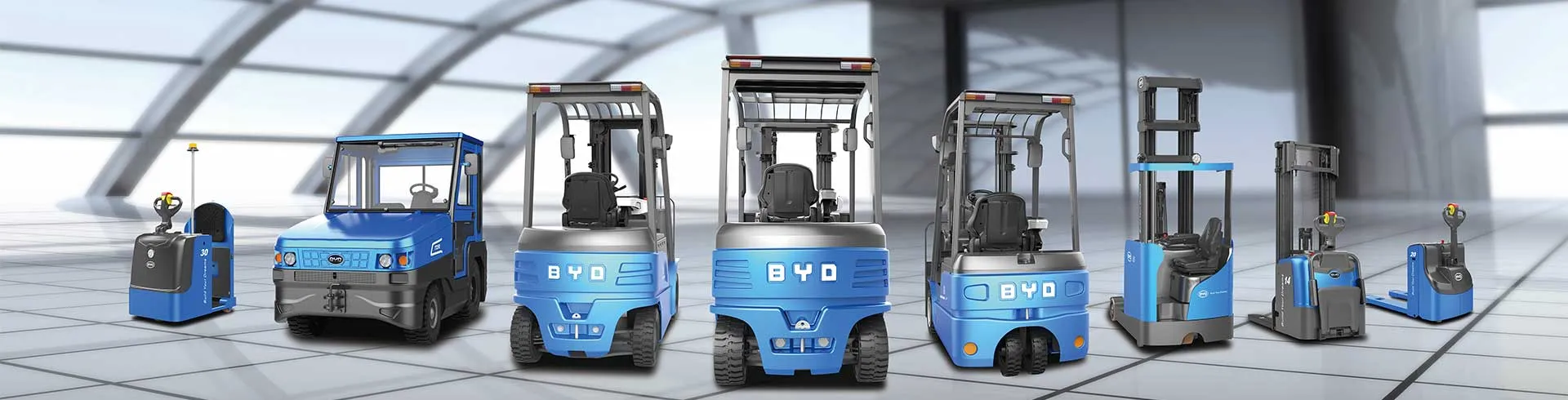
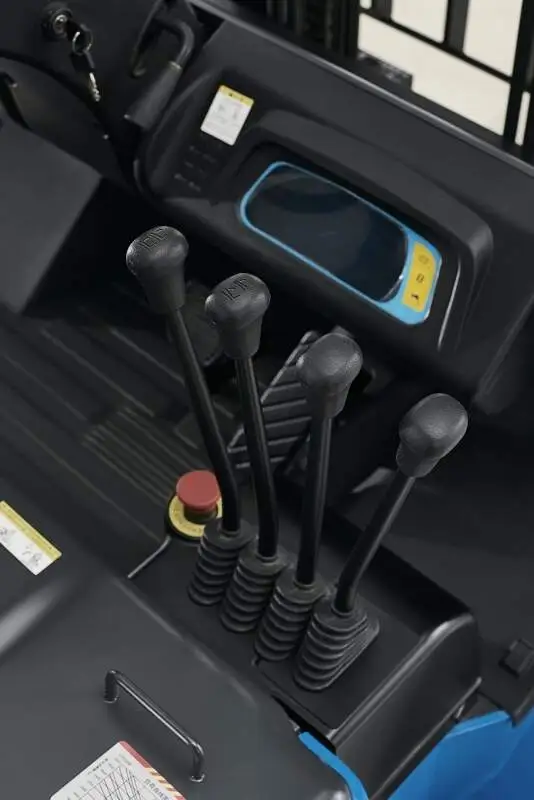
When parking an electric forklift during rainy seasons, the high humidity environment demands careful attention to storage conditions. Proper measures can extend equipment life, prevent corrosion, and ensure safe operation.
First, choose a dry, well-ventilated indoor area for parking. Avoid open-air storage if possible. Moisture-laden air accelerates rust on metal parts and damages electrical components. If indoor space is limited, use a waterproof cover made of breathable material to reduce condensation.
Second, maintain battery health. High humidity can cause sulfation, discharge, or short circuits. Charge the battery fully before parking, and keep the battery compartment clean and dry. Regularly inspect terminals for oxidation or moisture buildup.
Third, elevate the forklift slightly using blocks or stands to avoid direct contact with damp floors. This helps prevent tire degradation and undercarriage corrosion. Also, lubricate moving parts such as chains, bearings, and hydraulic cylinders with moisture-resistant grease.
Fourth, perform a quick pre‑parking check: clean any mud, water, or debris from the vehicle; tighten all covers; and confirm that all seals are intact. Follow the manufacturer’s recommended shutdown procedure.
Fifth, schedule periodic inspections every few weeks during long rainy periods. Check for signs of rust, unusual odors from the battery, or any leakage.
For professional guidance or quality products, feel free to contact us at 17399989919@163.com. Jianshu New Energy and BYD Forklift provide reliable support for forklift users in challenging climates.
By following these simple storage environment suggestions, you can protect your electric forklift from humidity damage and maintain its performance throughout the rainy season. Remember: prevention is always more cost‑effective than repair.


