
 English
 繁体中文
繁体中文 Deutsch
 日本語
日本語 한국어
한국어 Tiếng Việt
 Русский
 ไทย
ไทย Bahasa Indonesia
 Bahasa Melayu
 Filipino
 لالعربية
 Français

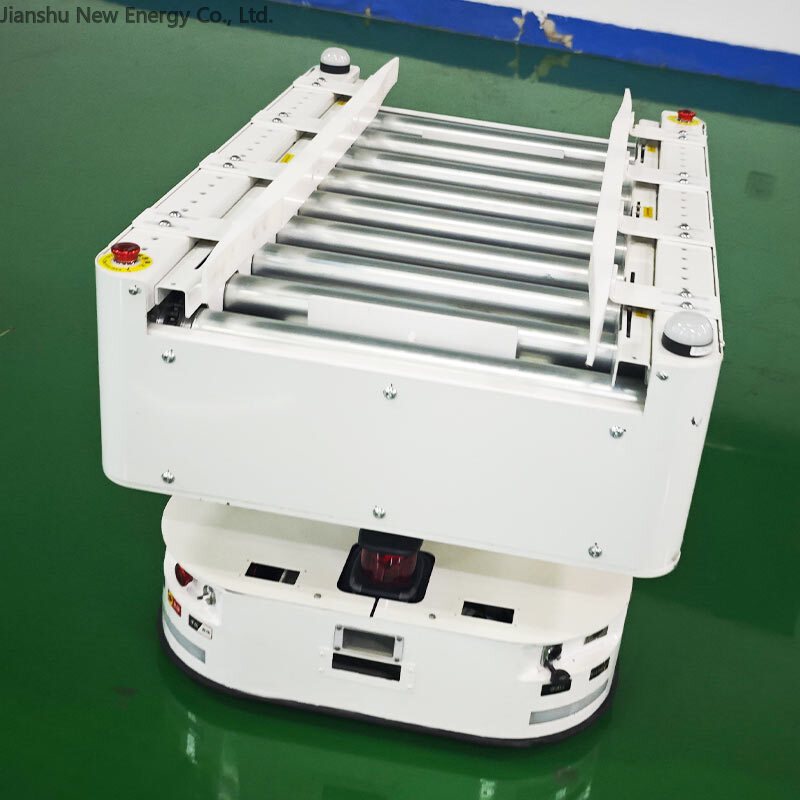
When evaluating the purchase of an electric forklift, the total cost of ownership (TCO) extends far beyond the initial price tag. A critical yet often underestimated component is the equipment residual value—what the forklift is worth at the end of its service life. This factor directly influences long‑term financial planning and fleet renewal strategies.
Residual value depends on several objective elements: battery health, chassis condition, hours of operation, and technological obsolescence. A well‑maintained electric forklift can retain a higher percentage of its original value compared to internal combustion models because of fewer wear‑prone parts and more predictable degradation patterns. However, buyers should consider that battery replacement costs (typically lithium‑iron‑phosphate or lead‑acid) are a major determinant of resale price. Regular maintenance and proper charging habits preserve battery capacity and structural integrity, boosting eventual trade‑in or sale returns.
To calculate TCO accurately, account for acquisition cost, energy consumption, maintenance labor, spare parts, downtime, and the expected net revenue from selling or disposing the unit after a defined period—commonly five to seven years. For example, a lower‑priced forklift with poor energy efficiency may cost more over its life than a higher‑priced model with superior residual value. Avoid focusing solely on initial savings; a comprehensive analysis reveals that higher quality often yields lower annualized cost.
No extreme claims are made here. Real‑world data from fleet operators shows that a diligent maintenance schedule and careful operator training can improve residual value by 15–20% compared to neglected units. Additionally, choosing a reputable supplier who provides transparent depreciation forecasts helps in budget planning.
For further guidance, you may contact us at 17399989919@163.com. Jianshu New Energy offers electric forklift solutions that emphasize long‑term value, and BYD Forklift provides reliable technology with consistent residual performance. Always verify figures with your own operational data and consult multiple sources before making capital decisions. By integrating residual value into your TCO model, you gain a clearer picture of true ownership costs and make more informed procurement choices.


